


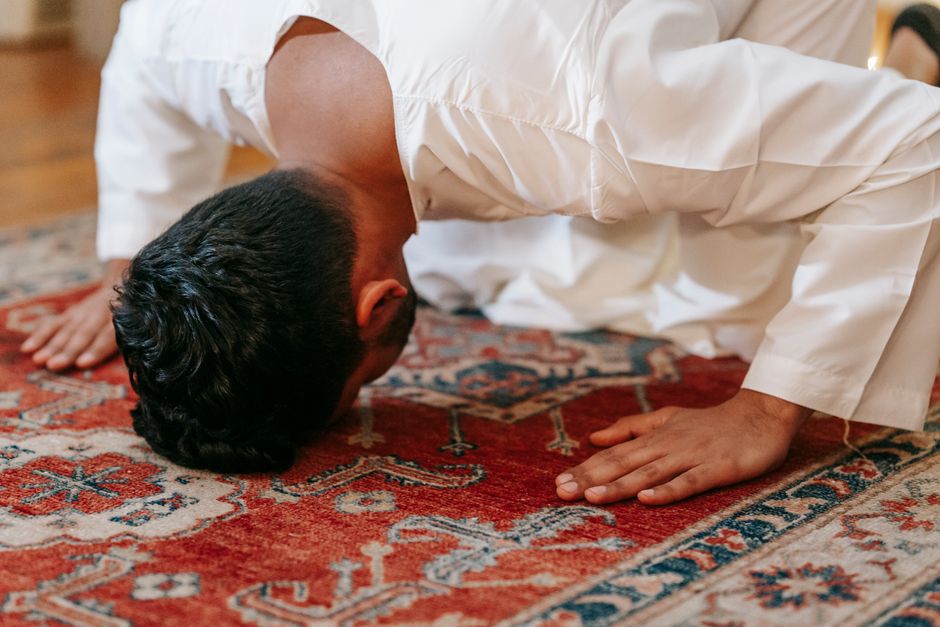
Understanding the Importance of Wudu
Wudu is the ritual purification that prepares a believer for prayer. It is not merely a physical washing routine but a spiritual act of worship. When we focus on avoiding Wudu mistakes, we ensure our approach to Allah is done with care and precision. Many Muslims perform this daily task without realizing they might be missing essential steps taught by Prophet Muhammad ﷺ.
Taking the time to learn the proper method helps us maintain the purity required for our Salah. A simple error in how we wash our limbs can sometimes affect the validity of our ablution. By correcting these habits, we honor the Sunnah and approach our Creator with greater confidence and sincerity.
It is important to remember that the Prophet Muhammad ﷺ emphasized the necessity of performing Wudu correctly. He taught that those who perform it well find their sins washed away with the water. If you want to improve your daily practice, identifying these frequent errors is the first step toward spiritual growth.
Neglecting to Ensure Water Reaches Every Part
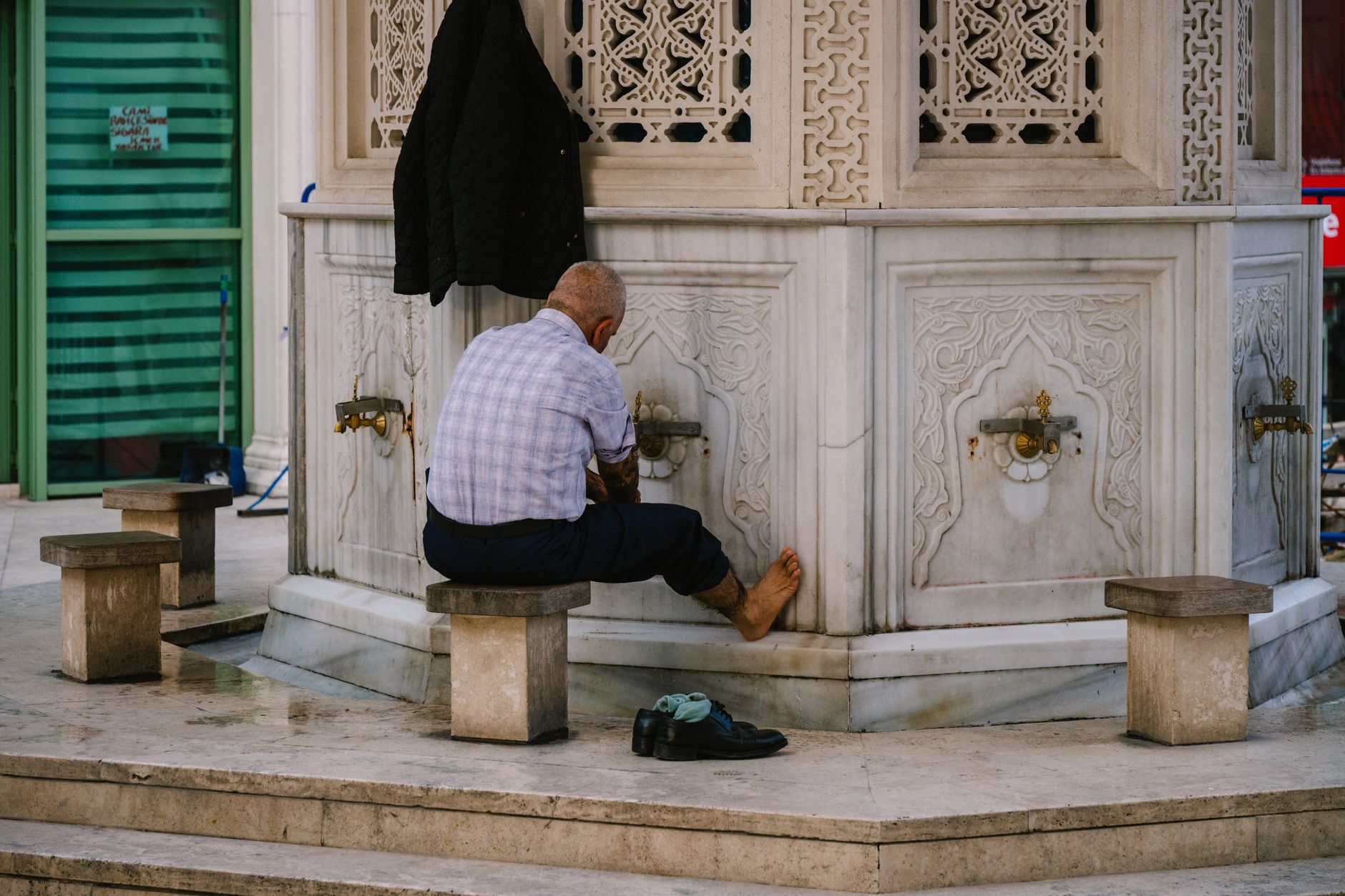
One of the most common Wudu mistakes involves failing to ensure that water covers every single part of the required limbs. Often, people wash their arms or feet in a rush, leaving dry patches behind. If a portion of the skin remains dry, the Wudu is considered incomplete and invalid.
For example, many people forget to wash the area between their fingers or the back of their heels. When washing the arms, you must ensure the water reaches the elbows. The Prophet Muhammad ﷺ was very precise in his movements to ensure total coverage during his ablution.
“Woe to the heels from the Fire. Perform Wudu thoroughly.”
Reference:
Sahih al-Bukhari 165
Take your time while washing. Check between your fingers, under your nails, and around your ankles. Being mindful of these small areas ensures your purification is complete and accepted. It is a small effort that makes a significant difference in the quality of your worship.

Wasting Water During the Ablution Process
While ensuring thorough washing is necessary, wasting water is a separate issue entirely. Many Muslims keep the tap running at full pressure, using far more water than is needed. Islam encourages moderation in all things, especially when it comes to the use of natural resources.
Prophet Muhammad ﷺ performed Wudu with a very small amount of water. He taught his followers to be economical even if they were beside a flowing river. By turning the tap down or using a small container, you follow his noble example and show respect for the blessings provided by Allah.
“O you who have believed, when you rise to prayer, wash your faces and your forearms to the elbows and wipe over your heads and wash your feet to the ankles.”
Reference:
Quran 5:6
Reducing water usage does not mean you are performing a lesser Wudu. It means you are being mindful of the Sunnah. Try to adjust your habits today by using only the amount of water required to wash your limbs effectively. This practice turns your ablution into an act of environmental stewardship as well.
Forgetting the Sequence and Continuity
Performing the steps of Wudu in the correct order is a requirement for many scholars. A common mistake is jumping between steps or forgetting the sequence established by Prophet Muhammad ﷺ. Following the order as prescribed maintains the structure of this beautiful act of worship.
Additionally, continuity—known as Muwalat—is vital. This means washing the limbs one after another without long gaps that allow the previous body parts to dry completely. If you stop for a long time to talk or do something else, the continuity is broken, and you may need to restart.
If you are new to the practice, you can learn more about maintaining consistency in your daily religious habits. Consistency in our actions reflects our dedication to Allah. Keep your focus on the task at hand until you have completed the full cycle of your ablution.
Common Errors Regarding the Wiping of the Head
Many people struggle with the correct way to wipe the head and ears. Some simply sprinkle water on their hair, while others wash their hair as if they are washing their face. The Sunnah is to wipe the head with damp hands from the front to the back and then back to the front.
The ears are also part of this step and should be wiped using the index fingers for the inside and thumbs for the back. A common mistake is using new water for the ears every time. However, the Sunnah is to use the moisture remaining on your hands after wiping the head.
Understanding these details helps us avoid the Wudu mistakes that many fall into out of habit. Proper technique ensures that we are following the Prophet Muhammad ﷺ as closely as possible. When we pay attention to these specifics, our daily purification becomes a refined and meaningful experience.
Neglecting the Supplications After Wudu
The act of Wudu does not end when you dry your limbs. Many Muslims finish their ablution and immediately walk away without reciting the prescribed supplications. The Prophet Muhammad ﷺ taught that specific words of remembrance open the gates of Paradise for those who perfect their purification.
By reciting the Shahada after completing Wudu, you solidify your faith and acknowledge the oneness of Allah. This small addition to your routine connects your physical purity with your internal belief. It is a beautiful way to conclude the ritual before you begin your prayer.
“There is no god but Allah alone, Who has no partner, and I bear witness that Muhammad ﷺ is His slave and Messenger.”
Reference:
Sahih Muslim 234
If you find it hard to remember, try writing the Dua down or keeping it in a place where you can see it. You can also continue seeking beneficial knowledge to understand more about the rewards associated with these simple acts. These habits help us keep our faith strong and consistent throughout the day.
Conclusion
Perfecting our Wudu is a lifelong journey of learning and refinement. By identifying and correcting common Wudu mistakes, we ensure that our preparation for Salah is consistent with the guidance of Prophet Muhammad ﷺ. Small adjustments in how we wash, how we use water, and how we conclude the ritual can significantly improve the quality of our devotion.
Do not be discouraged if you realize you have been making errors in the past. Allah is Merciful and appreciates the effort of a believer who seeks to improve their worship. Start by focusing on one area, such as ensuring thorough coverage or being mindful of water usage. With time and practice, these steps will become a natural and beautiful part of your daily life as a Muslim.
Frequently Asked Questions
Can I perform Wudu while wearing nail polish?
Generally, Wudu requires water to reach the surface of the skin and nails. Standard nail polish creates a waterproof barrier that prevents water from reaching the nail. Therefore, it is necessary to remove it before performing Wudu to ensure the ablution is valid and complete.
What should I do if I realize I missed a spot after Wudu?
If you discover a dry spot immediately after finishing, you should wash that specific area and continue from there if the limbs are still wet. However, if a significant amount of time has passed and your limbs have dried, it is safer and more appropriate to repeat the Wudu entirely.
Is it necessary to wash the neck during Wudu?
There is no authentic evidence from the Sunnah of Prophet Muhammad ﷺ that washing the neck is a required part of Wudu. The standard practice is to wash the face, arms, head, ears, and feet as described in the Quran and the authentic Hadith. Adding extra steps is not recommended.