



What Islam Teaches About Divorce
Marriage in the Islamic faith is a sacred covenant. It serves as a foundation for families and a source of peace for both spouses. Because of this, Islam encourages couples to work through their differences with patience and mercy. However, the religion also recognizes that some relationships may reach a point where separation becomes the only viable path.
Understanding divorce in Islam requires looking at the wisdom behind the rulings. It is not something to be taken lightly or used as a tool for harm. Instead, it is a process designed to protect the rights of both parties while ensuring that justice is served when a union can no longer function effectively.
The Sanctity of the Marriage Covenant
In Islam, marriage is described as a strong bond. It is a commitment made before Allah, involving mutual rights and responsibilities. The goal of this union is to find tranquility and companionship.
When challenges arise, the first step is always reconciliation. Allah commands spouses to seek peace if they feel their bond is weakening. This focus on preservation is essential for a healthy society.
“And live with them in kindness. For if you dislike them – perhaps you dislike a thing and Allah makes therein much good.”
Reference:
Quran 4:19
When couples seek to resolve issues, they should involve family mediators. This approach aims to address the root causes of conflict rather than rushing to end the marriage. Patience is a key virtue taught by Prophet Muhammad ﷺ during times of domestic hardship.
Understanding the Nature of Divorce in Islam
While marriage is highly encouraged, divorce in Islam is permitted as a last resort. It is often described in scholarly tradition as the most disliked of permitted things because it impacts the fabric of the family. Despite this, it is not forbidden when the marriage has broken down beyond repair.
The Prophet Muhammad ﷺ taught that harsh treatment of a spouse is contrary to the spirit of the faith. When the environment of a home becomes toxic or abusive, the option to separate provides a way out. This reflects the mercy of Allah, who does not wish to trap people in situations that cause them ongoing spiritual or physical harm.
It is important to remember that the process is strictly regulated. It is not an impulsive act to be performed in anger. Proper conduct during this time is a test of one’s character and adherence to Islamic law.
The Importance of Proper Conduct
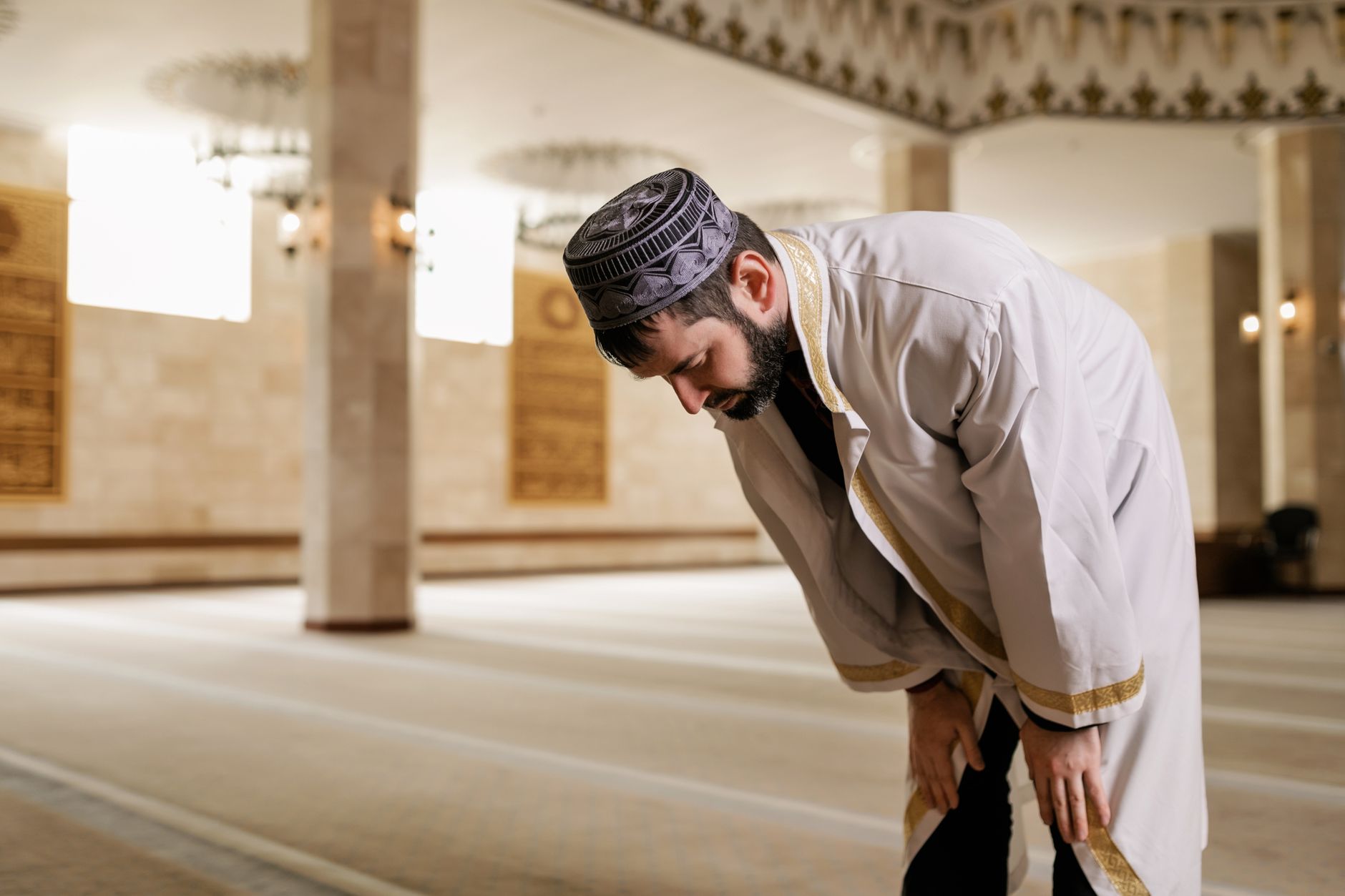
If a couple decides that separation is necessary, they must follow the etiquettes laid out in the Sharia. This includes treating the other party with dignity throughout the process. Islam prohibits mistreatment or the withholding of rights during this difficult time.
One must remain just, even when emotions are high. The Quran emphasizes that even if a couple parts ways, they should do so with kindness. This prevents long-term resentment and protects the well-being of any children involved.
“The believers who are most perfect in faith are those who are best in character, and those who are best to their families.”
Reference:
Jami` at-Tirmidhi 1162
For those navigating these steps, consulting with a local scholar is highly recommended. You can learn more about maintaining good character in our article on The Importance of Truthfulness in Islam. Seeking guidance ensures that your actions remain within the boundaries of what is acceptable.
Rights and Responsibilities During Separation
When discussing divorce in Islam, we must address the rights of the individuals. A woman has specific financial and social rights that must be honored. Similarly, the husband has obligations that do not simply vanish upon the decision to separate.
Fairness is the central principle of the Islamic legal framework. Whether it is the provision of maintenance or the care of children, the focus must be on the welfare of the vulnerable. Neglecting these duties is considered a grave matter.
As you manage family affairs, consider the guidance provided in The Rights of Children in Islam. Protecting the emotional and physical health of the children remains a priority even if the parents are no longer together. Every action should reflect the fear of Allah and the desire to uphold justice.
Moving Forward with Taqwa
After a separation is finalized, the focus shifts to moving forward in life. Taqwa, or God-consciousness, is the best guide during this transition. Both parties are encouraged to reflect on their experiences and learn from them.
It is common for individuals to feel a sense of loss or confusion. However, the path of the believer is one of constant turning back to Allah. By staying connected to prayer and seeking beneficial knowledge, one can find the strength to rebuild.
Always remember that Allah is the provider of relief. Those who face life’s challenges with patience are promised a great reward. If you are struggling with the weight of past decisions, look into How to Deal with Difficult Relatives in Islam for advice on handling complex family dynamics with grace.
Conclusion
Divorce in Islam is a serious matter that should only be approached after all efforts for reconciliation have been exhausted. It is a permitted exit from a marriage that no longer serves the purpose of mutual peace and growth. By following the guidance of the Quran and the Sunnah of Prophet Muhammad ﷺ, individuals can navigate this transition with integrity and justice.
If you find yourself in a challenging marriage, take the time to seek advice from qualified scholars. Ensure that your decisions are made with a clear mind and a heart focused on pleasing Allah. Maintaining proper conduct and fulfilling the rights of others will help you remain on the straight path, regardless of the outcome of your relationship.
Frequently Asked Questions
Is divorce in Islam considered a sin?
No, it is not a sin. It is a permitted option when a marriage is no longer viable. While it is discouraged to break a marriage, Allah has provided this path as a mercy to prevent prolonged suffering for both spouses.
What should a couple do before deciding on divorce?
Couples should attempt reconciliation through honest communication and, if necessary, involve wise mediators from their families. They should also seek advice from a local Imam or scholar to understand their rights and the proper Islamic procedures for their specific situation.
Does Islam protect the rights of women during a divorce?
Yes, Islam provides clear protections for women. This includes the right to financial support, the return of her dowry, and the respectful treatment of her character. The husband is obligated to fulfill these duties fairly to ensure the woman is not left in a state of hardship.