

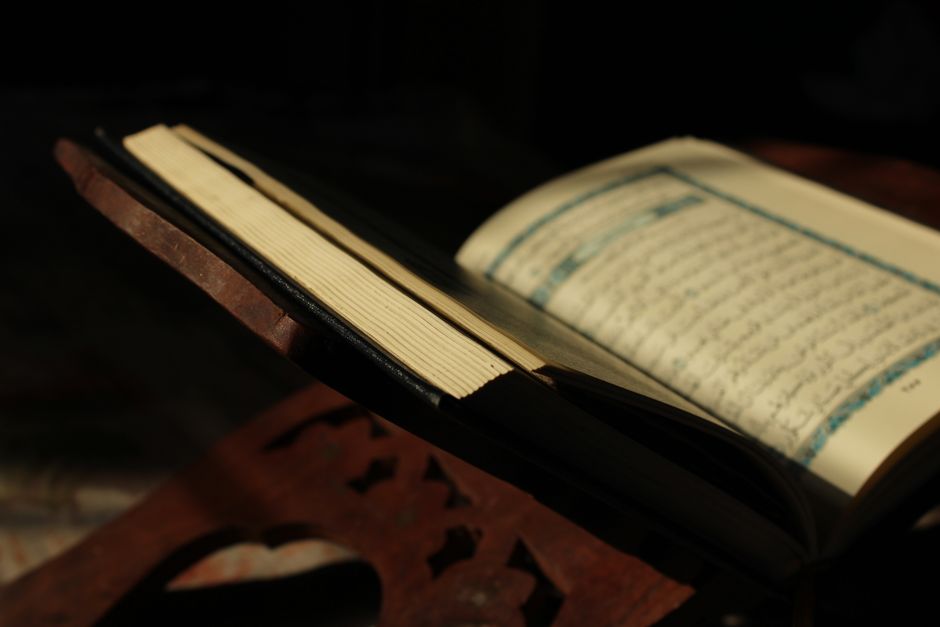
Understanding the Essence of Surah Al-Ikhlas
Surah Al-Ikhlas is one of the most beloved and recited chapters in the Holy Quran. It serves as a fundamental declaration of faith for every Muslim. The name itself means “The Chapter of Sincerity” or “Purity,” as it focuses entirely on the nature of Allah.
By reciting these verses, a believer affirms the absolute oneness of the Creator. This chapter is short in length but carries immense weight in the scales of deeds. It provides clarity to the heart and strengthens the foundation of our belief in the Creator.
The Prophet Muhammad ﷺ emphasized the high status of this chapter. It is a source of protection and a reminder of why we worship only Allah. Understanding its message helps us avoid associating any partners with Him, which is the core of our faith.
The Oneness of Allah
The first verse of Surah Al-Ikhlas declares that Allah is the One and the Only. He is unique in His essence, His names, and His attributes. There is nothing in existence that shares these qualities with Him.
This concept of Tawheed, or the oneness of Allah, is the central pillar of Islam. It teaches us that our devotion should be directed solely toward Him. We do not look for intercessors or partners because He is sufficient for our needs.
When we contemplate this verse, we realize our total dependence on Him. He is the ultimate authority over the entire universe. This understanding brings peace and stability to the life of a believer.
“Say, ‘He is Allah, [who is] One.'”
Reference:
Quran 112:1
Recognizing Allah as the One helps us prioritize our actions. If we truly believe in His oneness, we live in a way that pleases Him alone. This leads to a life of purpose and sincerity in our worship.
Allah as the Eternal Refuge
The second verse describes Allah as As-Samad. Scholars explain this term as the Eternal Refuge or the One who is needed by all but needs no one. He is the destination for all creation when they seek help or guidance.
Everything in this world is temporary, but Allah remains forever. We turn to Him in times of distress, joy, and daily needs because He is the source of all provisions. This realization humbles the human heart.
When we feel lost or overwhelmed, we should remember that our true refuge is with Allah. He is the only one who can truly sustain us. Relying on Him provides comfort that the material world cannot offer.
If you are looking for ways to improve your spiritual state, you can learn about the signs of sincere repentance to keep your heart clean. Maintaining a sincere connection with Allah is the ultimate goal of a believer. This is exactly what Surah Al-Ikhlas encourages us to do.
The Uniqueness of the Creator
The third and fourth verses of Surah Al-Ikhlas highlight that Allah does not have children, nor was He born. He has no parents, no spouse, and no equal. This distinguishes the Creator from everything He has created.
Humanity often tries to compare the Creator to created beings. However, these verses remind us that Allah is beyond such comparisons. He is not limited by time, space, or physical needs like humans or animals.
Reflecting on the purity of Surah Al-Ikhlas
Many Muslims recite this chapter daily to protect their faith. The Prophet Muhammad ﷺ equated reciting it to reciting one-third of the Quran. This shows how essential this chapter is for our spiritual growth.
“By Him in Whose Hand my soul is, it is equal to one-third of the Quran.”
Reference:
Sahih al-Bukhari 5013
Reflecting on these verses prevents us from falling into misconceptions about the divine. It keeps our creed pure and focused on the truth revealed in the Quran. We learn to worship Allah exactly as He described Himself.
Living by the Lessons of the Chapter
Applying the lessons of Surah Al-Ikhlas means living with constant awareness of Allah. When we face decisions, we ask ourselves if our actions align with the belief in His oneness. This practice builds character and integrity.
It also teaches us to be sincere in our intentions. If we do something, we do it for the sake of Allah, not for the praise of people. This is the definition of Ikhlas, or sincerity in faith.
You can also study belief in Allah and His Oneness to further strengthen your understanding of these concepts. It is helpful to read about how other prophets lived their lives, such as the birth and early life of Prophet Musa, to see how they upheld the truth.
Finally, teaching this chapter to others is a great act of charity. It helps spread the correct understanding of Allah to those around us. By keeping the message of this chapter in our hearts, we remain grounded in the true path of Islam.
“And there is none comparable to Him.”
Reference:
Quran 112:4
We should strive to recite this chapter with reflection. Understanding what we say transforms our prayer and our daily life. May Allah keep our hearts firm on the truth and pure in our devotion to Him.
Conclusion
Surah Al-Ikhlas is a powerful reminder of who Allah is and how we should relate to Him. It simplifies our faith by focusing on the absolute oneness of the Creator. By reciting and reflecting on these verses, we guard our hearts against disbelief and confusion. It is a chapter that provides spiritual clarity, protection, and a constant reminder of our purpose.
Make it a habit to recite this chapter regularly. Think about the meaning of the words as you say them, and let them guide your actions throughout the day. When we align our belief with the purity found in this chapter, we find peace in the knowledge that we are serving the One who is sufficient for us. May Allah accept our efforts to understand His word and grant us sincerity in all our deeds.
Frequently Asked Questions
Why is Surah Al-Ikhlas considered equal to one-third of the Quran?
The Prophet Muhammad ﷺ explained that this chapter is equal to one-third of the Quran because it contains the fundamental essence of Islamic belief. It addresses the oneness and attributes of Allah, which is the most important message in the entire Quran. By establishing this foundation, it covers the core theme of the revelation.
When should a Muslim recite Surah Al-Ikhlas?
Muslims can recite this chapter at any time. However, it is especially recommended during daily prayers, in the morning and evening supplications, and before going to sleep. Reciting it frequently helps maintain a constant awareness of Allah and serves as a spiritual protection for the believer throughout the day and night.
What does the term As-Samad mean in this chapter?
The term As-Samad refers to Allah as the Eternal Refuge. It signifies that He is the One to whom all creation turns for their needs, yet He is self-sufficient and does not need anyone. He is the ultimate support for every living being, and He remains while everything else eventually passes away.