


The Early Life and Conversion of Umar ibn Al-Khattab
Umar ibn Al-Khattab was a man of great stature and influence in Makkah before he embraced Islam. Known for his intense personality, he was initially a fierce opponent of the new faith. However, his life changed forever when he encountered the words of the Quran, leading him to accept the message brought by Prophet Muhammad ﷺ.
His conversion was a major turning point for the early Muslim community. Before this moment, Muslims often prayed in secret to avoid persecution from the Quraysh. With the strength and courage of Umar ibn Al-Khattab, the believers gained the confidence to worship openly near the Kaaba.
His transformation shows how Allah guides hearts toward the truth. Once an enemy, he became a devoted companion who stood by the side of Prophet Muhammad ﷺ through every challenge. His life serves as a reminder that change is possible for anyone who truly seeks the guidance of the Almighty.
Establishing Justice as a Leader
As the second Caliph, Umar ibn Al-Khattab is remembered for his deep sense of fairness. He believed that a leader must be the servant of the people rather than their master. He established systems to ensure that the rights of every person, including non-Muslims living under his protection, were fully respected.
He was known to walk the streets of Madinah at night to check on the welfare of the citizens. During one such patrol, he discovered a mother boiling water with stones to soothe her hungry children until they fell asleep. He immediately returned to the treasury, carried a sack of flour on his own back, and prepared a meal for them.
His approach to governance was rooted in the teachings of the Quran. He feared the responsibility of leadership and often wept, worrying that he might be held accountable for even the smallest oversight. This humility and vigilance defined his rule and set a high standard for future generations of leaders.
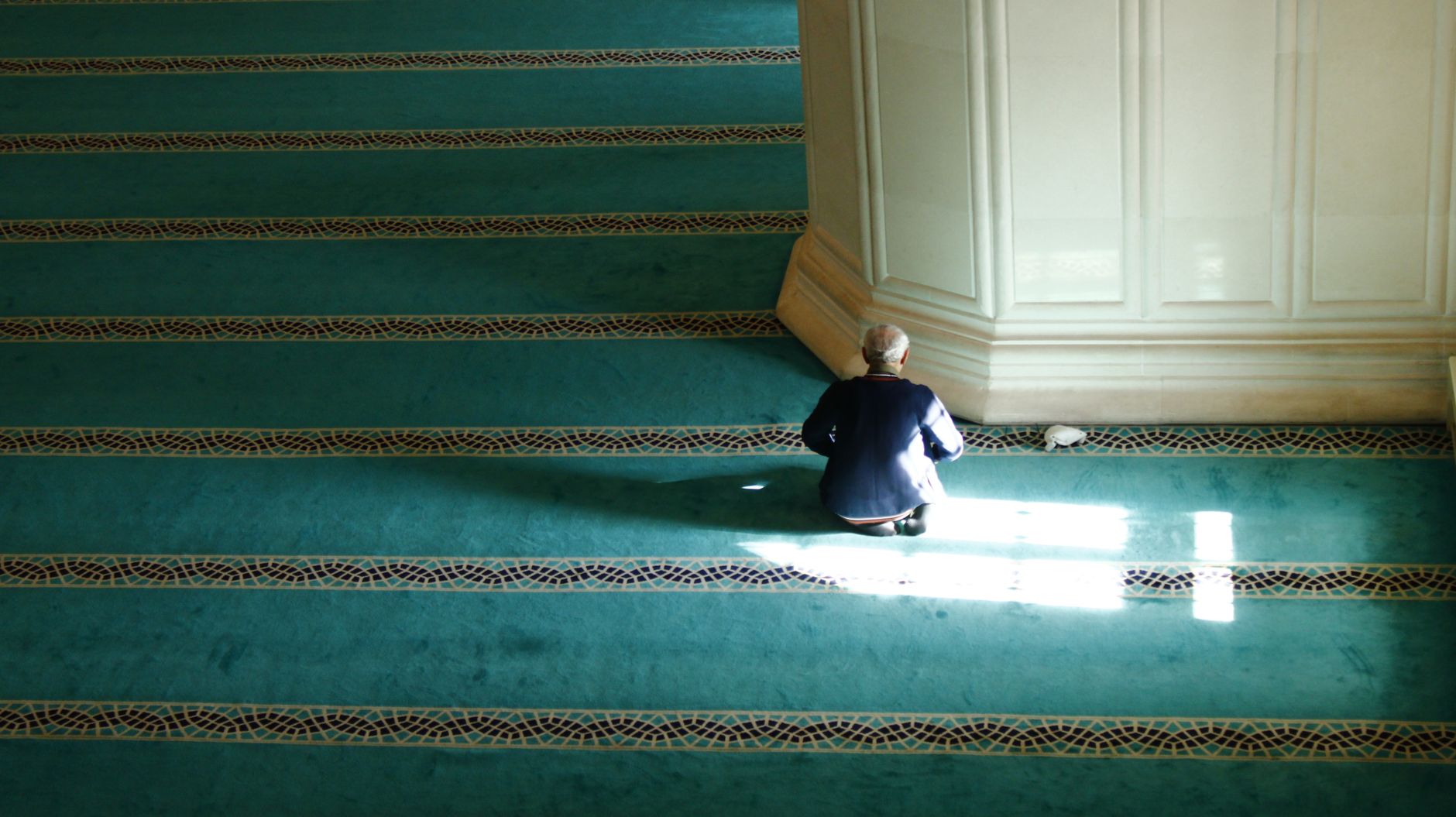
The Strength and Courage of Umar ibn Al-Khattab
The strength of Umar ibn Al-Khattab was not merely physical; it was a moral fortitude that defined his character. He possessed a sharp mind and an ability to see the truth in complex situations. This clarity allowed him to provide sound advice to Prophet Muhammad ﷺ on many occasions.
He was a pillar of support for the community during times of crisis. When the Prophet Muhammad ﷺ passed away, the Muslim community faced a moment of deep shock and confusion. It was the firm resolve of Umar ibn Al-Khattab that helped steady the believers and kept them focused on their path.
His life teaches us that true power lies in self-control and adherence to the truth. Whether facing battles or internal community challenges, he remained steadfast in his principles. His legacy encourages Muslims to seek strength through faith and to stand firm when the truth is at stake.
Lessons from the Strength of Umar ibn Al-Khattab
The determination shown by Umar ibn Al-Khattab inspires us to face our own difficulties with patience and reliance on Allah. He understood that personal growth requires constant self-reflection and a dedication to doing what is right. By following his example, we learn to balance our responsibilities with a heart that is truly devoted to our Creator.
“O you who have believed, be persistently standing firm in justice, witnesses for Allah, even if it be against yourselves or parents and relatives.”
Reference:
Quran 4:135
The Importance of Humility in Authority
Despite his status as a leader, Umar ibn Al-Khattab never sought luxury or comfort. He lived a simple life, often wearing clothes with patches and eating the most basic food. He believed that a leader should experience the same hardships as the people he leads to understand their needs.
This humility made him accessible to everyone, from the poorest individuals to the most prominent figures. He encouraged people to correct him if they saw him making a mistake, showing that no one is above the law. This culture of accountability kept the community united and strong.
Many people today view leadership as a way to gain status, but his life teaches a different lesson. True leadership is a heavy trust, and it requires a person to put the interests of others before their own desires. By maintaining family ties and community bonds, he ensured that the society remained stable.

A Lasting Legacy for Future Generations
The impact of his life continues to be felt throughout the Muslim world. Many of the administrative structures he created were designed to ensure long-term stability and justice. He understood that for a community to thrive, it must be built on the foundation of truthfulness and mutual care.
His devotion to worship was equally remarkable, as he spent his nights in prayer and his days in service. He remains a model for anyone looking to balance their worldly duties with their spiritual obligations. His life shows that one can be both a powerful leader and a humble servant of Allah.
“The most beloved of people to Allah is the one who is most beneficial to the people.”
Reference:
Al-Mu’jam al-Awsat 6132
Conclusion
The life of Umar ibn Al-Khattab offers a blueprint for living with integrity and purpose. His commitment to justice and his unwavering strength during difficult times remain a source of guidance for all Muslims. By studying his history, we gain insights into how to navigate our own challenges with wisdom and patience.
We should strive to mirror his dedication by being fair in our dealings and humble in our actions. May we all find inspiration in the life of Umar ibn Al-Khattab as we seek to improve our character and strengthen our connection to Allah. His story reminds us that every action, no matter how small, counts when it is done with a sincere heart.
Frequently Asked Questions
Who was Umar ibn Al-Khattab?
Umar ibn Al-Khattab was the second Caliph of the Muslims and one of the closest companions of Prophet Muhammad ﷺ. He is widely respected for his exceptional leadership, his deep sense of justice, and his pivotal role in expanding and organizing the early Islamic state.
What is the main lesson from the life of Umar ibn Al-Khattab?
The most important lesson is that true leadership and strength are built on humility, accountability, and justice. He demonstrated that a leader must be compassionate toward the weak and firm in upholding the truth, always fearing Allah and seeking His pleasure above all else.
How did Umar ibn Al-Khattab treat non-Muslims?
He ensured that non-Muslims living in the Islamic state were treated with fairness and respect. He protected their rights, their property, and their places of worship. This approach created a society where people of different backgrounds could live together in peace under a system of justice.