


Embracing the Simple Lifestyle of Prophet Muhammad ﷺ
The simple lifestyle of Prophet Muhammad ﷺ serves as a timeless model for every believer. Despite his status as the leader of the Muslim community, he chose a path of humility and detachment from worldly luxury. His choices remind us that true success lies in the health of the heart rather than the accumulation of material goods.
Many people today feel overwhelmed by the constant pursuit of more. By examining the daily habits of Prophet Muhammad ﷺ, we find a refreshing perspective on what is truly necessary for a fulfilling life. This article explores how he lived and how we can apply those lessons to our own circumstances.
Understanding his approach helps us prioritize our spiritual growth. As we navigate the complexities of the modern world, his example provides clarity and peace. We can learn to value gratitude over greed and contentment over constant consumption in our daily life.
The Humility in the Home of Prophet Muhammad ﷺ
The home of Prophet Muhammad ﷺ was a place of profound modesty. He did not seek elaborate furnishings or expensive decorations. Instead, he lived in a manner that reflected his total reliance on Allah and his focus on the hereafter.
His living quarters were humble, often consisting of basic necessities that served their purpose without excess. This environment allowed his family to focus on worship and teaching rather than maintaining property. It taught the companions that a house is a place of rest, not a display of status.
Even when the Muslim community gained prosperity, Prophet Muhammad ﷺ did not change his personal standard of living. He remained committed to the modest life he had always known. This consistency shows that his character was not influenced by outward wealth or temporary worldly shifts.
“O Allah, live me poor and die me poor and resurrect me in the company of the poor.”
Reference:
Jami` at-Tirmidhi 2352
We can learn much from this focus on the essential. By clearing our own homes of unnecessary items, we create space for reflection. A simpler home environment often leads to a calmer, more focused state of mind for the entire family.
Dietary Habits and Contentment with Less
The diet of Prophet Muhammad ﷺ was defined by simplicity and gratitude. He ate what was available without complaint and never criticized food that he did not enjoy. His meals often consisted of basic staples like dates, water, milk, or barley bread.
He taught his followers to eat in moderation to maintain health and spiritual sharpness. By avoiding overindulgence, he ensured that his body remained a capable tool for worship. He viewed food as a means to sustain life, not as a source of entertainment.

This approach encourages us to be thankful for every meal we receive. In a world where food is often wasted, the example of Prophet Muhammad ﷺ reminds us to be mindful of our consumption. We should appreciate the blessings of sustenance that Allah provides daily.
His habits were not born of scarcity alone, but of a deliberate choice to remain detached from luxury. When we practice moderation, we find that we need far less than we think. This leads to a sense of freedom from the endless cycle of wanting more.
The Simple Lifestyle of Prophet Muhammad ﷺ in Dress and Appearance
Prophet Muhammad ﷺ maintained a modest appearance that did not seek to draw attention or signal wealth. He wore clean, simple clothing that was functional and respectable. He did not wear silks or adornments that were meant for vanity.
His clothing was always tidy, yet he did not possess an excessive wardrobe. This balance taught the companions that dignity comes from character, not from the brand or cost of one’s garments. He showed that a Muslim should be presentable without being extravagant.
This approach to dress is a powerful lesson in self-worth. When we define ourselves by our internal qualities, we become less concerned with the opinions of others regarding our appearance. We learn to dress for comfort, modesty, and cleanliness, which are the core values of the Sunnah.
Adopting this mindset helps us save resources that can be used for better causes. Instead of spending excessively on fashion, we can use our wealth to help those in need. This shift in priority is a hallmark of the faithful believer who looks toward the eternal.
Prioritizing Spiritual Goals Over Material Wealth
How the Simple Lifestyle of Prophet Muhammad ﷺ Reflects His Mission
The primary focus of Prophet Muhammad ﷺ was the guidance of humanity toward Allah. He understood that worldly distractions could hinder this mission. By keeping his own life simple, he remained focused on his ultimate purpose without being pulled away by material concerns.
He often slept on a simple mat that left marks on his side, yet he never complained. When asked about this, he emphasized his role as a traveler in this world. He viewed life as a brief journey, much like a person resting under the shade of a tree.
“What have I to do with this world? I am in this world like a rider who halts in the shade of a tree for an hour and then continues his journey.”
Reference:
Jami` at-Tirmidhi 2377
This perspective is essential for us to adopt. When we realize that our time here is limited, we naturally stop obsessing over material gains. We begin to invest our energy into actions that will benefit us in the hereafter, where it truly counts.
His example teaches us to seek balance. We are allowed to enjoy the lawful things of this world, but we should not let them possess our hearts. Keeping our goals clear allows us to serve our families, our communities, and our faith with greater dedication.
Applying Simplicity in a Modern World
Applying the simple lifestyle of Prophet Muhammad ﷺ in the modern era requires intentionality. We live in a society that constantly promotes consumption and status. Choosing to live differently is a conscious act of worship that requires patience and firm faith.
Start by evaluating your own spending habits. Ask yourself if your purchases are based on need or on the desire to keep up with others. Small changes, like avoiding unnecessary upgrades or reducing waste, can significantly impact your spiritual well-being.
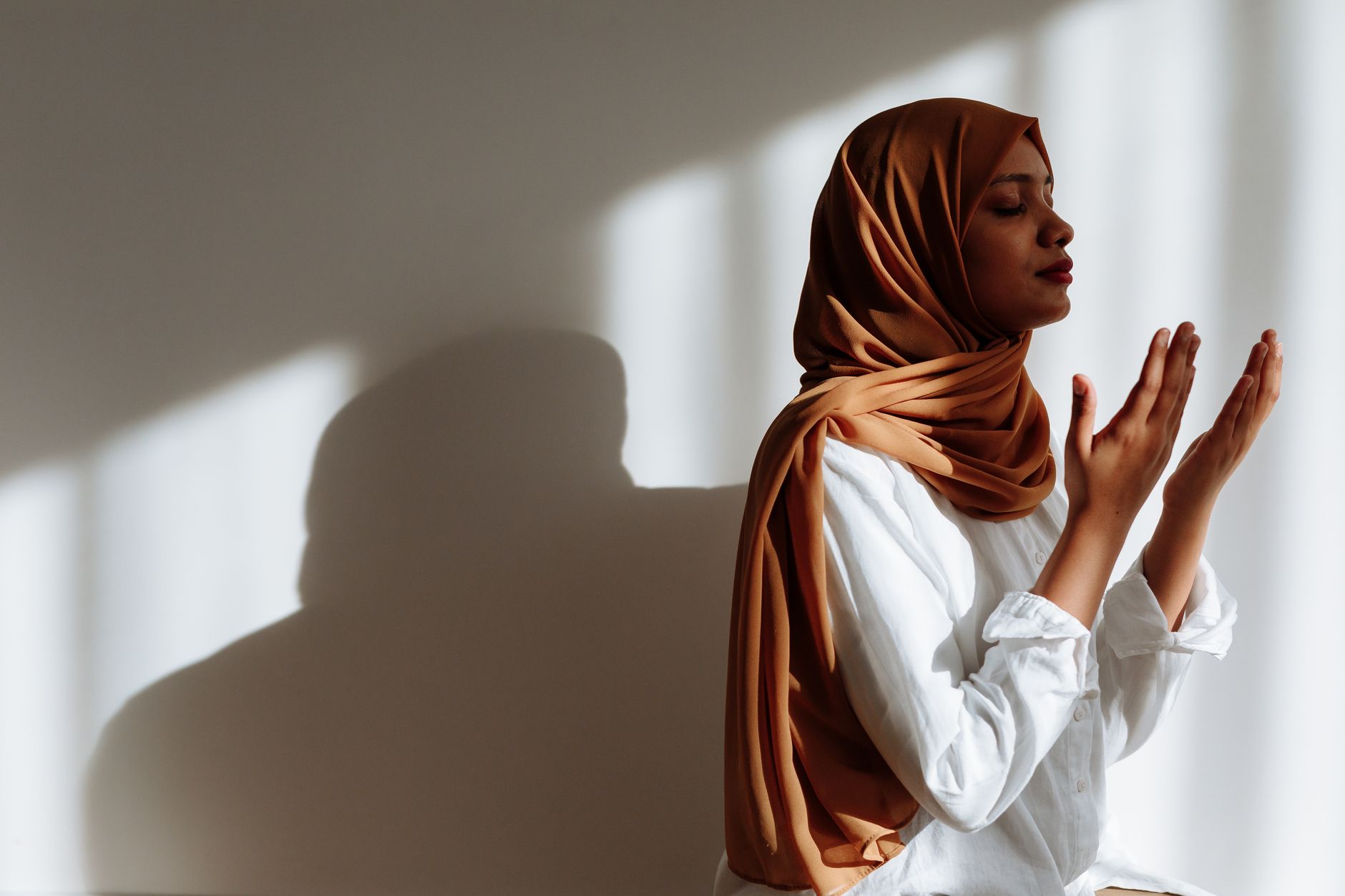
Focus on experiences and relationships rather than physical goods. Spending time with family, helping a neighbor, or deepening your knowledge of the Quran brings more lasting joy than any material possession. These are the investments that build a meaningful and peaceful life.
Remember that simplicity is not about poverty; it is about having enough and being content. When we are content, we feel a deep sense of peace that money cannot buy. This state of heart is the true goal of following the path of the Prophet Muhammad ﷺ.
Conclusion
The simple lifestyle of Prophet Muhammad ﷺ remains a powerful guide for us today. By choosing modesty, moderation, and gratitude, he showed us how to live a life that is focused on the pleasure of Allah. His example is not meant to be a burden, but a path to true freedom from worldly stress.
As you reflect on these teachings, try to implement one small change in your daily routine. Perhaps it is being more mindful of your spending or finding contentment in what you already possess. Every step you take toward simplicity brings you closer to the way of the Prophet Muhammad ﷺ and helps you find the peace you seek.
Frequently Asked Questions
Was Prophet Muhammad ﷺ poor by choice?
Prophet Muhammad ﷺ chose to live a simple life despite having the ability to live in luxury. He understood that material wealth could distract from his mission of spreading the message of Islam. His poverty was a deliberate choice to remain focused on the hereafter and to identify with the most vulnerable members of his community.
How can I be content in a materialistic world?
You can find contentment by shifting your focus from what you lack to what you have been blessed with. Regularly practice gratitude and remember that this world is temporary. By following the example of Prophet Muhammad ﷺ and prioritizing spiritual growth over physical possessions, you will find a lasting sense of inner peace and satisfaction.
Is it wrong to own nice things?
Owning nice things is not forbidden in Islam as long as the wealth is acquired in a Halal way and is not used for arrogance. The key is to ensure that material goods do not control your heart or distract you from your duties. Prophet Muhammad ﷺ lived simply, but he did not forbid his companions from enjoying the lawful blessings of Allah.