













Understanding the Status of Parents in Islam
In Islam, the status of parents is elevated to a level second only to the worship of Allah. The Quran emphasizes kindness toward parents repeatedly, highlighting their immense sacrifice and role in our lives. Recognizing these rights forms the foundation of a healthy family structure.
Understanding the responsibilities of parents in Islam requires looking at the guidance provided by Allah and His Messenger, Prophet Muhammad ﷺ. Parents are the primary teachers and protectors of their children. This duty begins before birth and continues throughout their lives.
The relationship between parents and children is built on mutual respect, mercy, and love. While children have the duty to be kind and obedient, parents must fulfill their obligations to earn the reward of Allah. This balance ensures that the family unit remains strong and spiritually connected.
The Spiritual Upbringing of Children
The most significant duty of a parent is to teach their children about their Creator. This begins with the basics of Tawheed, the belief in the oneness of Allah. Parents must introduce these concepts early to help children develop a strong connection with their faith.
Teaching the Quran and the Sunnah of Prophet Muhammad ﷺ is essential for a child’s spiritual growth. When children learn to recite the Quran and understand its meaning, they gain a moral compass. Parents should create an environment where learning the deen feels natural and rewarding.
“O you who have believed, protect yourselves and your families from a Fire whose fuel is people and stones.”
Reference:
Quran 66:6
Encouraging daily prayer is another vital aspect of a parent’s duty. By modeling consistent worship, parents demonstrate the importance of connecting with Allah. This practice instills discipline and mindfulness, which are critical for navigating the challenges of life.
Providing Moral and Character Education
Raising children with good character is a primary goal for every Muslim family. Parents must model honesty, kindness, and patience in their own interactions. Children learn more from what they see their parents do than from what they are told.
It is helpful to refer to the importance of truthfulness in Islam when guiding children through daily situations. When parents prioritize truth, children naturally adopt the same values. This creates a home atmosphere rooted in sincerity and trust.
Managing disagreements with wisdom is part of building strong character. Parents should teach children how to resolve conflicts peacefully and respectfully. This approach prepares them to handle relationships with others, including how to deal with difficult relatives in Islam effectively.
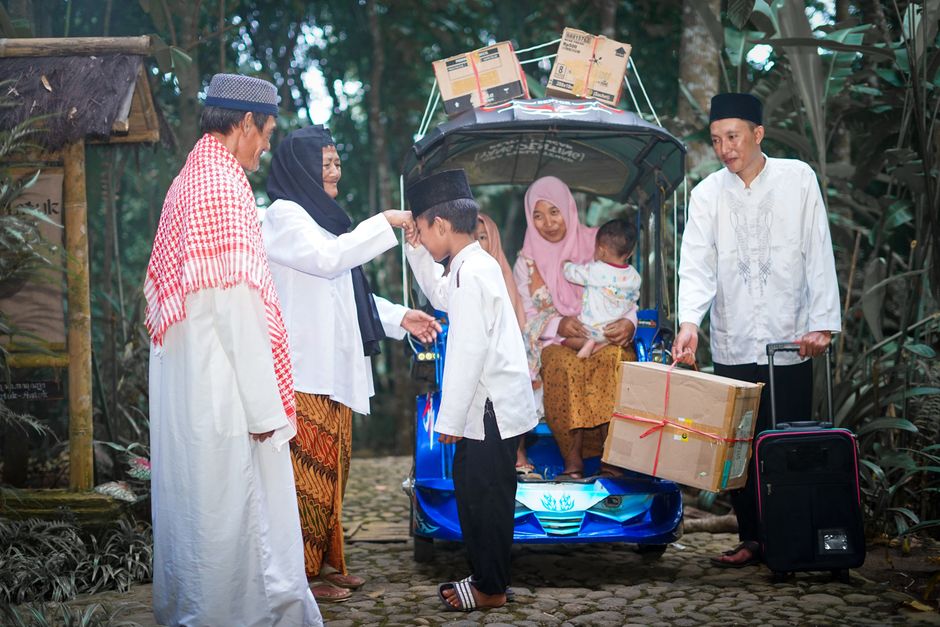
Fulfilling the Responsibilities of Parents in Islam
Consistency in discipline is necessary for character development. Parents should set clear boundaries while remaining gentle and approachable. The goal is to correct behavior with love rather than harshness, as kindness encourages better results.
Prophet Muhammad ﷺ emphasized the importance of being kind to children. He showed great affection, which strengthened the bond between him and his family. Following his example helps parents build a relationship based on mutual love and respect.
“He is not one of us who does not show mercy to our little ones and acknowledge the right of our elders.”
Reference:
Jami` at-Tirmidhi 1919
Ensuring Physical and Material Well-being
Providing for the physical needs of children is a mandatory duty in Islam. This includes providing healthy food, safe shelter, and appropriate clothing. When parents work hard to provide for their family, this effort is considered an act of worship.
Health and education are also critical components of a child’s development. Parents should ensure their children have access to knowledge that benefits them in this life and the next. Seeking beneficial knowledge is a shared responsibility that fosters growth and maturity.
It is important to maintain a balanced approach to material provision. While providing for needs is essential, parents should also teach children the value of gratitude. This prevents children from becoming overly attached to material possessions and keeps them focused on what truly matters.
Balancing Love and Discipline
Many parents struggle to find the right balance between being affectionate and maintaining discipline. In Islam, mercy is the guiding principle for all interactions. Discipline should never be a source of trauma but a tool for guidance and correction.
Parents should listen to their children and show interest in their daily lives. When children feel heard, they are more likely to listen to their parents’ advice. This open communication is a key part of the responsibilities of parents in Islam in the modern world.

Setting a good example is the most effective form of discipline. If parents want their children to be patient and grateful, they must demonstrate these traits. When children witness their parents practicing the importance of seeking beneficial knowledge, they are inspired to follow that path.
“And lower to them the wing of humility out of mercy and say, ‘My Lord, have mercy upon them as they brought me up [when I was] small.'”
Reference:
Quran 17:24
“Every one of you is a shepherd and is responsible for his flock.”
Reference:
Sahih al-Bukhari 893
Conclusion
The role of a parent is a noble trust given by Allah. By prioritizing the spiritual, moral, and physical needs of their children, parents fulfill a major part of their purpose in life. This commitment helps raise a generation that contributes positively to the Muslim community.
Reflecting on the responsibilities of parents in Islam encourages us to improve our parenting daily. Remember that patience, consistency, and prayer are your best tools. By seeking guidance from the Quran and the Sunnah of Prophet Muhammad ﷺ, parents can build homes filled with peace and righteousness.
Frequently Asked Questions
What is the most important responsibility of a parent?
The most important duty is to teach children the oneness of Allah and the foundations of the faith. By providing a strong spiritual base, parents help their children navigate life with a clear purpose, ensuring they understand their relationship with their Creator from a young age.
How should parents handle disobedience?
Parents should address disobedience with mercy, wisdom, and patience. Avoid harsh words or physical punishment that causes harm. Instead, explain the reason behind rules and encourage better behavior through positive reinforcement, following the gentle and wise example set by Prophet Muhammad ﷺ in his dealings with others.
Is providing for children considered worship?
Yes, providing for one’s family is a significant act of worship in Islam. When a parent works with a sincere intention to provide for their children’s needs, they earn rewards from Allah. This duty is an essential part of maintaining the family unit and fulfilling one’s obligations as a shepherd.