
















Understanding the Power of Forgiveness in Islam
Many people find it difficult to let go when someone hurts their feelings. However, practicing forgiveness in Islam is not just a suggestion; it is a quality that Allah loves in His servants. When we choose to forgive, we are not saying that the wrong action was acceptable. Instead, we are choosing to free our hearts from the heavy burden of anger.
The teachings of Prophet Muhammad ﷺ emphasize that true strength lies in controlling one’s temper and choosing mercy over revenge. By letting go of grudges, a believer aligns their character with the noble teachings of the faith. This internal shift brings peace and allows us to focus on our relationship with Allah.
This article examines why releasing resentment is vital for every Muslim. We will explore how this practice transforms our daily lives and helps us grow in our devotion to the Creator.
The Divine Reward for Pardoning Others
Allah describes the believers as those who restrain their anger and pardon people. This is a high station that demonstrates a person’s trust in the justice of Allah. When we forgive, we acknowledge that Allah is the ultimate Judge and that He will reward those who act with grace.
Choosing to pardon others is a reflection of our desire for Allah to pardon our own shortcomings. If we want mercy on the Day of Judgment, we must learn to show mercy to those around us in this life. This reciprocal relationship is a core principle in the life of a believer.
“Let them pardon and overlook. Would you not like that Allah should forgive you? And Allah is Forgiving and Merciful.”
Reference:
Quran 24:22
When you struggle to forgive, remember that your patience is recorded by Allah. Every act of restraint is an investment in your own spiritual success. You can also read about signs of sincere repentance to understand how Allah values our efforts to purify our hearts and return to Him.
Lessons from the Life of Prophet Muhammad ﷺ
Prophet Muhammad ﷺ faced immense opposition and personal harm, yet he consistently chose the path of mercy. He did not seek revenge against those who mocked him or caused him physical pain. His life serves as the perfect model for how to handle mistreatment with dignity.
His ability to forgive even his greatest enemies showcases the beauty of the message he brought. By following his example, we learn that responding to evil with good is a way to change hearts and build bridges. This level of character is what truly defines a leader in the eyes of Islam.
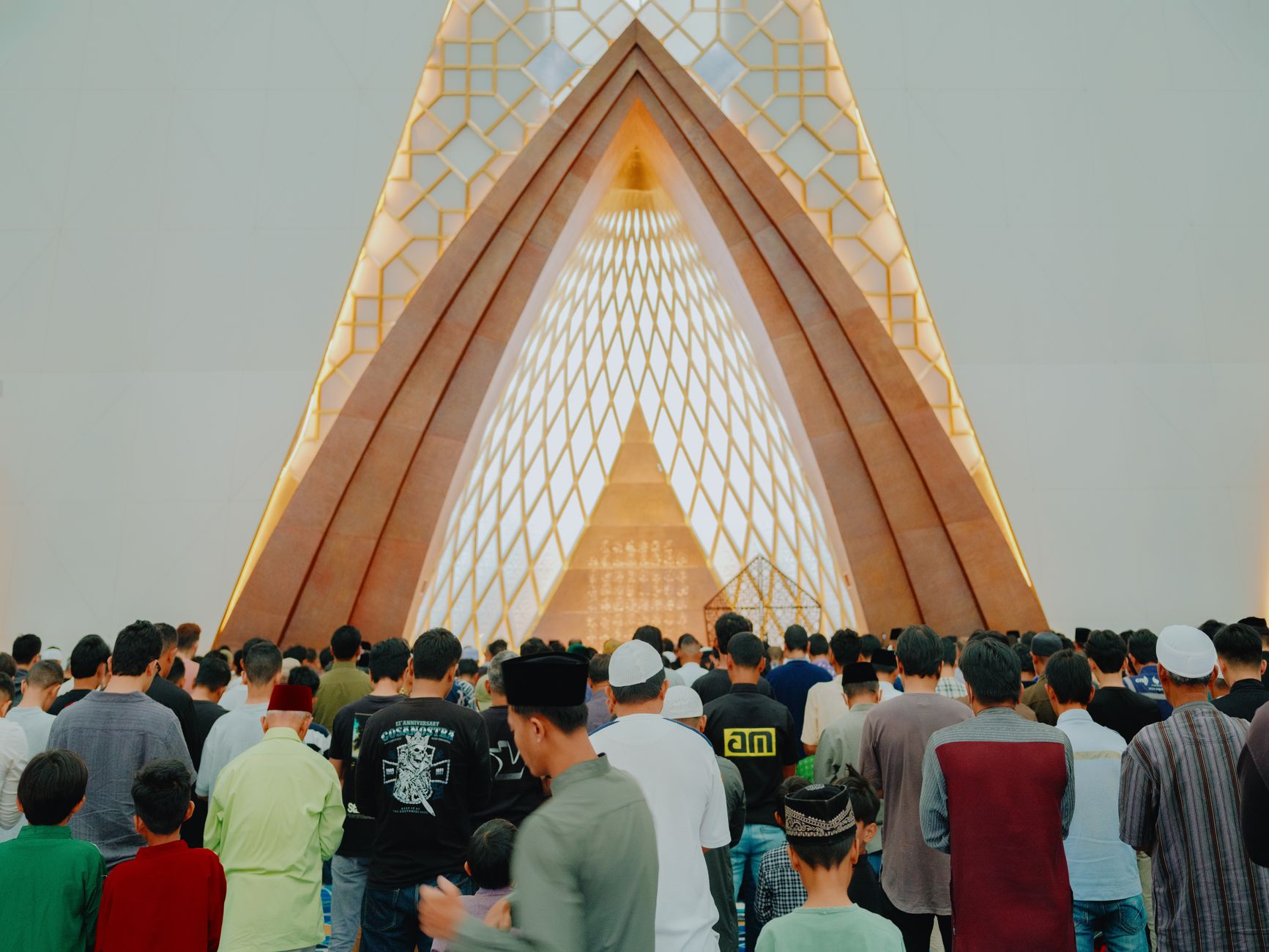
Practicing forgiveness in Islam through patience
Patience in the face of provocation is a hallmark of a strong character. It requires us to pause before reacting to hurt or insult. This pause allows the initial wave of anger to pass, leaving room for wisdom to guide our next words and actions.
“The strong man is not the one who can wrestle, but the strong man is the one who can control himself at the time of anger.”
Reference:
Sahih al-Bukhari 6114
If you find it hard to maintain this patience, you might find comfort in learning about the simple lifestyle of Prophet Muhammad ﷺ. His lack of attachment to worldly status helped him remain focused on his mission of mercy.
Healing the Heart Through Letting Go
Holding onto anger is like carrying a burning coal with the intention of throwing it at someone else. We are the ones who get burned by the heat of resentment. By letting go, we protect our own mental and spiritual well-being from the decay of bitterness.
Forgiveness is not about the other person; it is about your own freedom. When we stop obsessing over what was done to us, we regain the energy to do good for our families and communities. A heart free from grudges is a heart that is ready to receive the light of guidance.
Many of us struggle with the weight of past hurts. However, the Prophet Muhammad ﷺ encouraged us to look forward and focus on our duties to Allah. By shifting our focus, we replace the darkness of resentment with the peace of submission.
It is important to remember that forgiveness does not mean allowing someone to continue harming you. You can forgive someone while still setting healthy boundaries. This balance is part of the wisdom that Islam teaches us for navigating life’s challenges.
Overcoming the Ego in Interpersonal Conflicts
Often, it is our pride that prevents us from forgiving. We feel that forgiving someone makes us look weak or inferior. In reality, the ego is the biggest barrier to the peace that Islam promises to those who act with humility.
When we feel the urge to hold a grudge, we should ask ourselves if our pride is worth the displeasure of Allah. The ego wants to win the argument, but the soul wants the reward of Jannah. Choosing the soul’s path is a sign of true maturity.
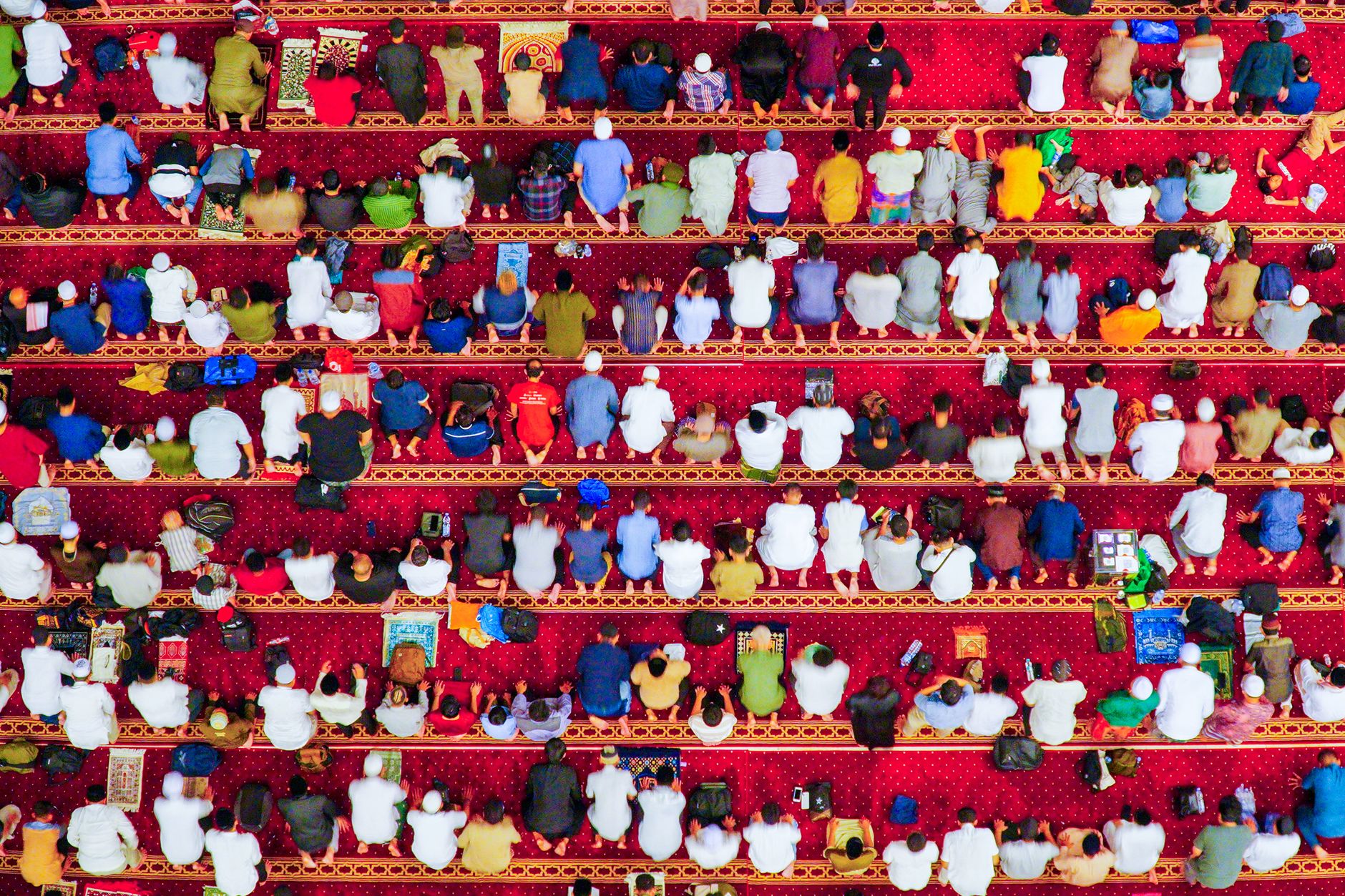
If you feel stuck in a conflict, try making sincere Dua (supplication) for the person who hurt you. This act can soften your own heart and help you see the humanity in others. It is a powerful way to break the cycle of negativity and return to a state of calm.
“Whoever suppresses his anger while he is in a position to give vent to it, Allah will call him on the Day of Resurrection over the heads of all creatures to choose of the houris as he wishes.”
Reference:
Jami` at-Tirmidhi 2021
When we prioritize our relationship with Allah, the opinions and actions of people lose their power over us. We become more concerned with our internal state than external validation. This is the ultimate goal of the benefits of sending Salawat upon the Prophet ﷺ, as it helps us keep his character at the forefront of our minds.
Conclusion
The practice of forgiveness in Islam is a transformative journey that leads to a peaceful heart. By following the guidance of the Quran and the example of Prophet Muhammad ﷺ, we learn to release the weight of our past. This choice allows us to walk through life with a sense of lightness and clarity that is only found in obedience to Allah.
Start small by letting go of minor irritations today. As you practice this, you will find that your capacity for patience and mercy grows. May Allah grant us hearts that are pure, free from resentment, and filled with the light of His mercy. Always strive to be a person who pardons, so that you may be among those whom Allah pardons on the Day of Judgment.
Frequently Asked Questions
Does forgiving someone mean I have to trust them again?
No, forgiveness and trust are different. Forgiveness is a spiritual act of letting go of resentment for the sake of Allah. Trust is something that must be earned through consistent good behavior over time. You can forgive someone for their past actions while still being cautious in future interactions.
What if I cannot bring myself to forgive someone?
It is natural to feel pain, and forgiveness is a process that takes time. If you struggle, ask Allah for help in softening your heart. Reflect on your own need for Allah’s forgiveness. Often, when we realize how much we need His mercy, it becomes easier to show mercy to others.
Is it wrong to seek justice instead of forgiving?
Seeking justice for a clear wrong is allowed in Islam. However, the Quran encourages pardon as a superior act if it leads to reconciliation or better outcomes. You should seek a balance between standing up for what is right and keeping your heart free from destructive anger and bitterness.