

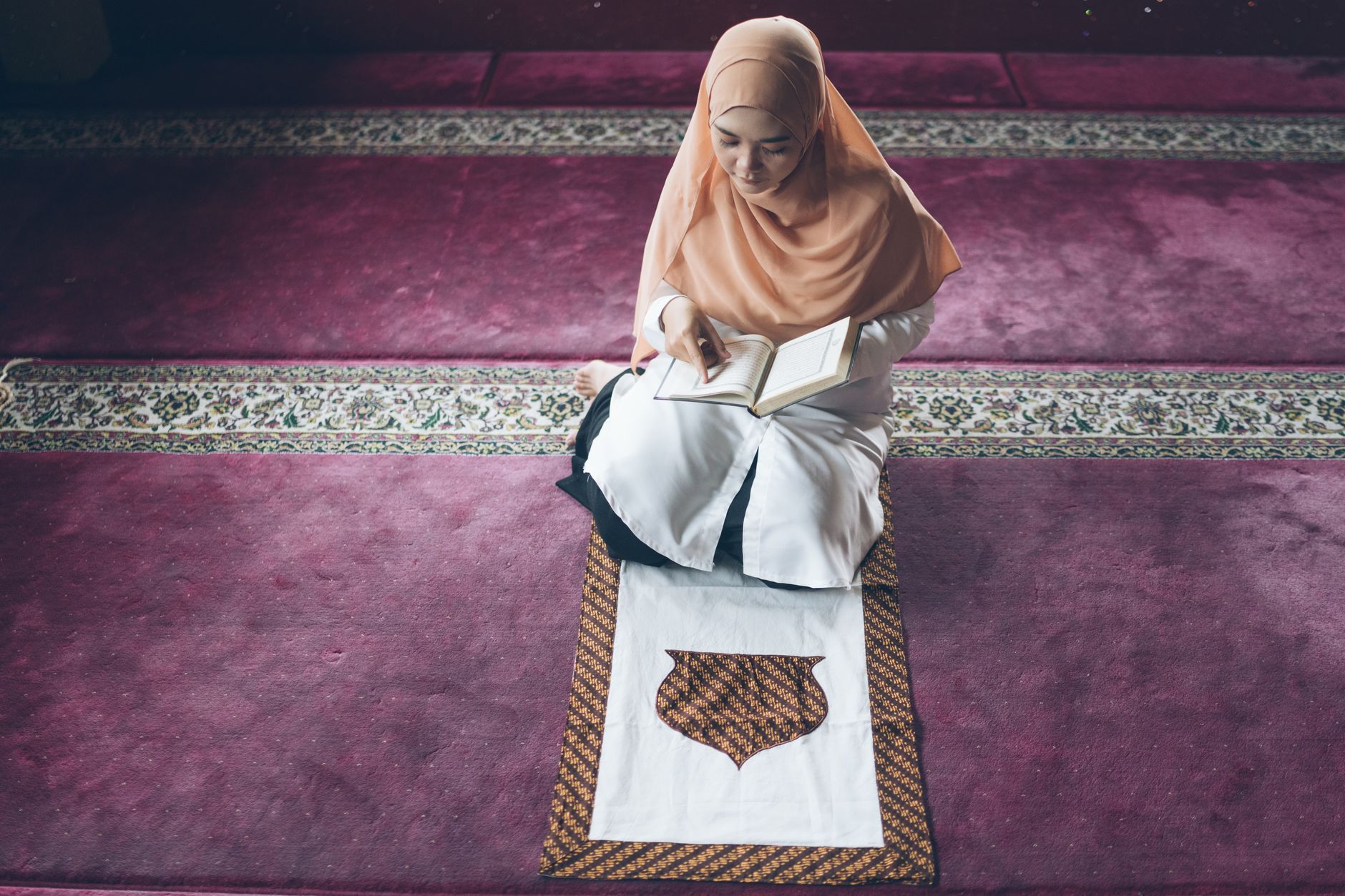
Understanding Islamic Rules of Inheritance
The Islamic rules of inheritance provide a structured system for distributing wealth after a person passes away. This system ensures that every rightful heir receives their fair share according to divine guidance. By following these laws, families avoid disputes and maintain harmony during difficult times.
These regulations are not based on human opinion but are clearly defined in the Quran. Allah outlines specific portions for parents, spouses, children, and other close relatives. Understanding these guidelines helps every Muslim prepare their affairs with clarity and justice.
Before any distribution occurs, all debts of the deceased must be settled first. This includes funeral expenses and any outstanding financial obligations to others. Once these are cleared, the remaining estate is then divided among the legal heirs.
The Significance of Quranic Guidelines
The Islamic rules of inheritance are rooted in the wisdom of the Quran. Unlike man-made systems, this framework prevents the concentration of wealth in the hands of a few. It ensures that those who are most vulnerable receive necessary support from the family estate.
For instance, Surah An-Nisa (4:11) provides specific instructions regarding children and parents. These verses serve as a constant reminder that justice is a core pillar of our faith. When we follow these divine instructions, we fulfill our responsibilities toward our family members.
Many people find comfort in knowing that Allah has already determined these shares. This removes the burden of decision-making from the family during a time of grief. It also protects the rights of women and children who might otherwise be overlooked.
Core Principles for Distributing Wealth
A fundamental requirement in Islamic rules of inheritance is the payment of debts. An estate cannot be divided until the deceased person’s financial obligations are fully met. This includes unpaid Zakat, which is a duty explained in Islamic Rules of Zakat on Wealth.
Furthermore, any valid will left by the deceased must be honored, provided it does not exceed one-third of the total estate. A person cannot leave a will that harms other legal heirs or gives more than the allowed limit. This balance protects the rights of everyone involved in the process.
If a person has no debt and no valid will, the estate is divided directly among the heirs. The Quranic shares are precise and leave little room for subjective interpretation. Scholars emphasize that these shares are mandatory and must be respected by all family members.
Rights of Heirs in the Family
The Islamic rules of inheritance define specific categories of heirs. These include the spouse, children, parents, and sometimes siblings, depending on the situation. Each person has a designated portion that reflects their relationship and needs within the family structure.
Applying Islamic Rules of Inheritance
When applying the Islamic rules of inheritance, one must look at the specific circumstances of the deceased. The presence of children significantly changes the shares allocated to spouses and parents. For example, a wife receives a different share if there are children compared to when there are none.
It is common for families to face complex situations, such as blended families or unique debt structures. In such cases, one should consult a qualified scholar to ensure the distribution is accurate. Seeking expert guidance prevents errors and ensures that the rights of all heirs are properly upheld.
Practical Steps for Estate Planning
Every adult Muslim should consider their estate planning while they are healthy. This involves keeping accurate records of all assets, including property, savings, and gold. Transparency helps the family manage the distribution process with ease after one passes away.
In addition, maintaining a record of all outstanding debts is essential. If you have borrowed money or have unpaid business obligations, document them clearly. This practice shows responsibility and protects your family from future legal or financial confusion.

Keeping a will is a recommended practice in Islam to clarify your wishes. Ensure that your will aligns with the Islamic rules of inheritance so that it remains valid and enforceable. Discussing these matters with your family can also prevent misunderstandings and foster mutual respect.
Finally, remember that the goal of these laws is to maintain unity and justice. When we handle wealth according to the teachings of the Prophet, we seek the pleasure of Allah. This approach turns a worldly matter into an act of worship and obedience.
Conclusion
The Islamic rules of inheritance serve as a divine gift to protect family ties and ensure economic justice. By adhering to the guidelines set in the Quran and the Sunnah, families can distribute wealth in a way that is honorable and fair to every heir. We must treat these laws with the seriousness they deserve, as they are part of our religious practice.
If you are managing an estate, prioritize the settlement of debts and seek knowledgeable advice when the situation becomes complex. By preparing your affairs today, you provide peace of mind to your loved ones tomorrow. May Allah grant us the ability to fulfill our duties to our families and uphold justice in all our dealings.
Frequently Asked Questions
Can a person leave all their wealth to one child?
No, a person cannot leave all their wealth to one child. The Islamic rules of inheritance provide specific shares for various heirs. A will can only affect up to one-third of the estate and cannot be used to disinherit legal heirs or favor one over others in a way that violates divine law.
What should be done before dividing the estate?
Before any distribution, you must pay all outstanding debts of the deceased. This includes funeral costs, unpaid loans, and any missed religious obligations like Zakat. Once these financial burdens are settled, the remaining estate is then divided among the heirs according to their fixed shares.
Is it necessary to consult a scholar for inheritance?
While the basic rules are clear, many family situations involve complex calculations. Because the Islamic rules of inheritance have specific requirements for different family structures, consulting a qualified scholar is highly recommended. They can help you calculate the exact shares to ensure that justice is served for every family member involved.