

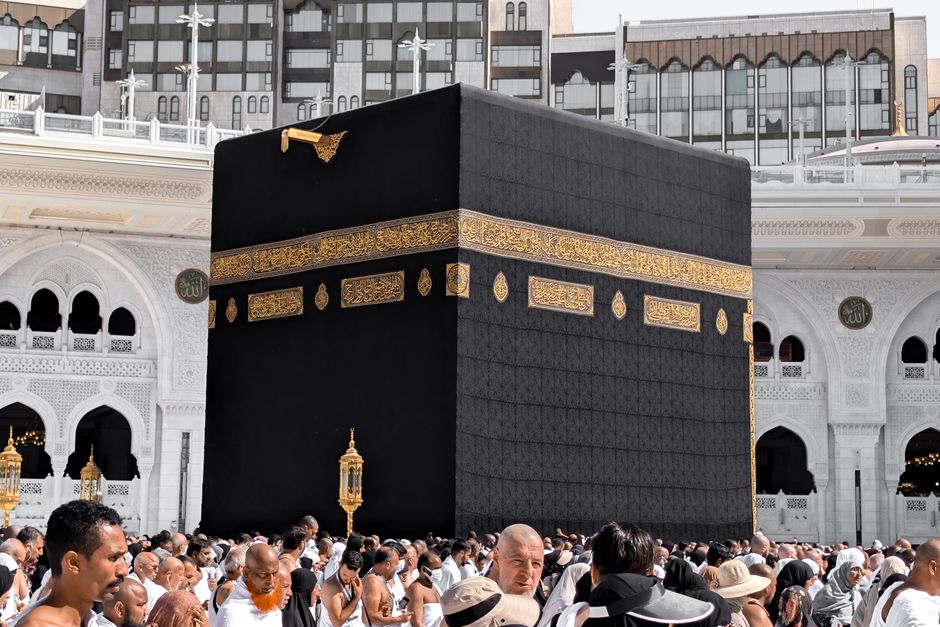
Understanding the Islamic Rules of Hajj
The Islamic rules of Hajj guide every pilgrim through the most significant journey of their life. Hajj is a mandatory pillar of Islam for those who have the physical and financial ability. It is a time to seek forgiveness and renew your commitment to Allah. Preparing properly ensures your worship is accepted.
Many Muslims feel a mix of excitement and nerves when planning this trip. However, you can manage this by focusing on the core requirements. The Prophet, peace be upon him, taught us how to perform these rituals with simplicity and sincerity. You should aim to follow his example in every step.
Before you travel, take time to learn the meaning behind each rite. Understanding the history of the Rights of Allah helps you perform your duties with true devotion. This knowledge transforms your Hajj from a simple trip into a profound spiritual experience.
Always keep your intention pure for the sake of Allah. Avoid showing off or seeking praise from others for your journey. A sincere heart is the key to a successful Hajj that changes your life for the better.
The Sacred State of Ihram
The Islamic rules of Hajj begin with entering the state of Ihram. This is a sacred condition where you declare your intention to perform the pilgrimage. You wear simple white garments that symbolize equality before Allah. This state marks the start of your spiritual transformation.
Once you enter Ihram, certain actions become restricted. You must avoid clipping your nails, using perfumes, or arguing with others. These restrictions remind you to focus entirely on your worship and inner peace. They help you detach from worldly distractions during your stay in Makkah.
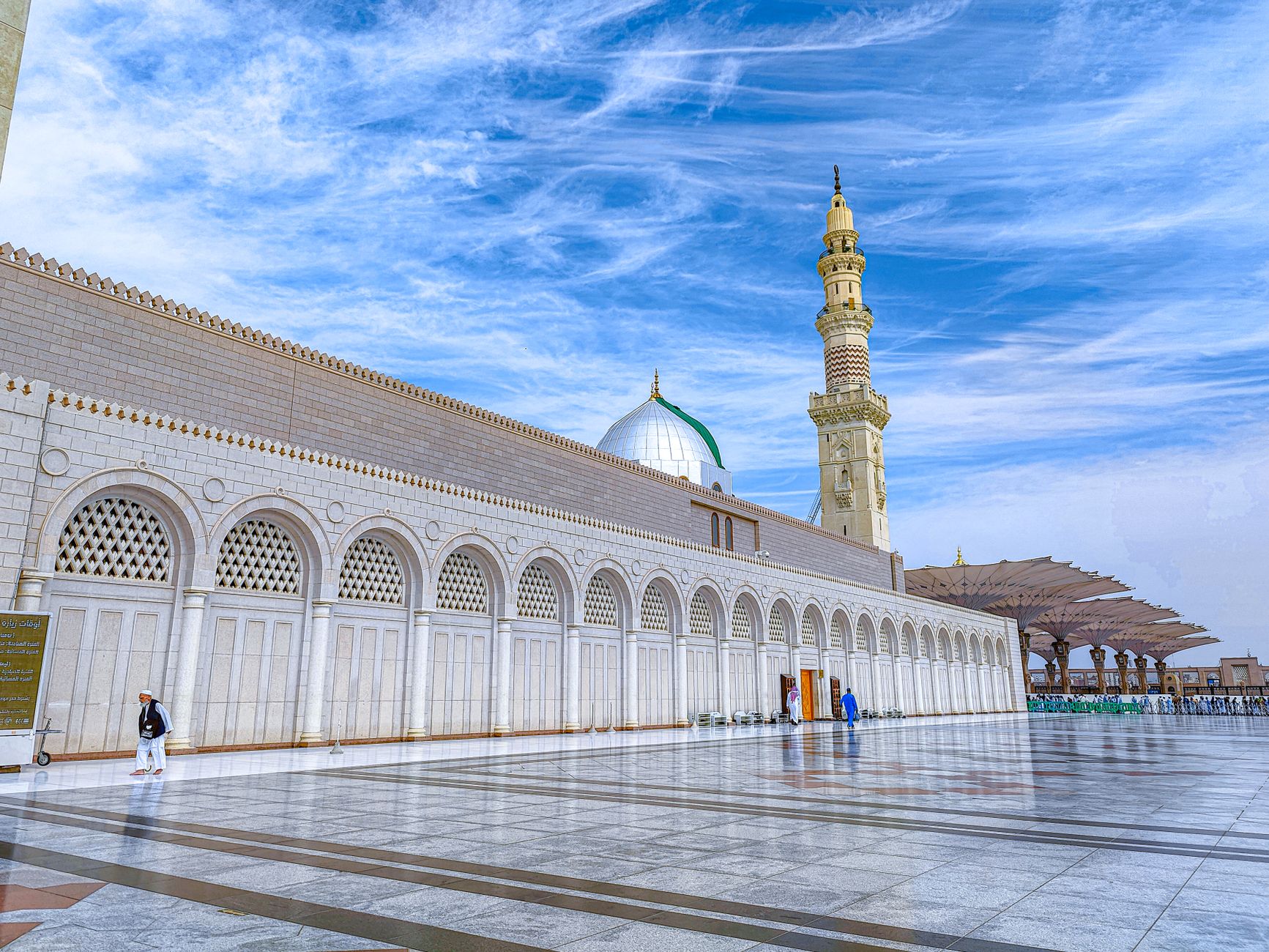
You should make your intention clear by reciting the Talbiyah. This prayer is a beautiful declaration of your submission to Allah. It echoes through the air as pilgrims from all over the world join together. Saying it often keeps your mind centered on your purpose.
The state of Ihram is not just about the clothes you wear. It is about the mindset you adopt during your journey. You are a guest of Allah, and your behavior should reflect the honor of this visit. Treat every other pilgrim with kindness and respect throughout your time there.
Performing Tawaf and Sa’i Properly
Tawaf involves circling the Kaaba seven times in a counter-clockwise direction. This act shows our unity as a community of believers. While performing Tawaf, focus on your prayers and remember the greatness of Allah. It is a time for personal supplication and reflection.
After Tawaf, you perform Sa’i, which is walking between the hills of Safa and Marwa. This ritual honors the patience and trust of Hajar, the wife of Prophet Ibrahim. It teaches us to rely on Allah even when we feel alone or uncertain. You should walk with a heart full of hope.
These rituals are central to the Islamic rules of Hajj and Umrah. They connect you to the history of the Prophets and their families. You are walking in their footsteps and honoring their commitment to Tawheed. This connection makes the experience deeply moving for every believer.
Always maintain your focus during these movements. It is easy to get caught up in the crowds, but stay mindful of your worship. If you find the crowd overwhelming, take a moment to breathe and reset your intention. Quality of worship is more important than speed.
Arafat and the Climax of Hajj
Standing on the plains of Arafat is the most important day of the pilgrimage. This day represents the peak of the Islamic rules of Hajj. Pilgrims spend the afternoon in prayer, seeking the mercy and forgiveness of Allah. It is a day of deep reflection and repentance.
The Prophet said that Hajj is Arafat, highlighting its central importance. You should spend your time here in constant supplication. Pour out your heart to Allah and ask for His guidance in your life. Many pilgrims find this to be the most emotional part of their journey.

After Arafat, you move to Muzdalifah to spend the night under the stars. This time is for rest and preparing for the final days of Hajj. It is a simple life, but it teaches you to be content with very little. You will likely find this simplicity very refreshing.
The transition from Arafat to Muzdalifah is a time for calm thought. Reflect on the prayers you made and the promises you gave to Allah. Carry that spirit of dedication with you as you complete the remaining rituals. Your commitment should last long after you return home.
Returning Home with a Changed Heart
Your journey does not end when you leave Makkah. The real challenge is carrying the spirit of Hajj into your daily life. You should strive to maintain the patience and kindness you practiced during the pilgrimage. This is the ultimate goal of every sincere pilgrim.
Many Muslims find it helpful to reflect on their experiences through a journal. Write down the lessons you learned and the prayers you want to keep making. This practice helps you stay connected to the spiritual growth you achieved. It prevents you from slipping back into old habits.
If you have the opportunity, share the good values you learned with your family. Be a source of light and encouragement to those around you. Your behavior should now reflect the humility and devotion you showed during Hajj. This is the best way to thank Allah for the opportunity.
Finally, always remember that Allah is the one who invited you. Keep your connection with Him strong through regular prayer and charity. Your Hajj should be a foundation for a life lived in obedience to His commands. May He accept your efforts and grant you a blessed return home.
Conclusion
The Islamic rules of Hajj offer a structured way to purify your soul and draw closer to Allah. By following these guidelines with sincerity, you can ensure your worship is meaningful and correct. Remember that this journey is a test of your patience, humility, and trust in the Creator.
Whether you are preparing for your first Hajj or reflecting on a past one, always seek to improve your understanding. Keep your intentions pure and your heart open to the lessons of this sacred experience. May your journey be a source of lasting peace and spiritual transformation in your life.
Frequently Asked Questions
What is the difference between Hajj and Umrah?
Hajj is a major pilgrimage performed at a specific time of the year, while Umrah can be performed at any time. Hajj is a pillar of Islam, whereas Umrah is a highly recommended Sunnah. Both involve rituals like Tawaf and Sa’i, but Hajj includes additional essential rites like standing on the plains of Arafat.
Can I perform Hajj if I have debts?
It is generally better to settle your debts before going for Hajj, as financial responsibility is a core part of the Islamic rules of Hajj. If your creditors allow you to travel, you may proceed, but you should have a plan to pay them back. Always prioritize your financial obligations to ensure your worship is free from worldly burdens.
What should I do if I make a mistake in the rituals?
If you make a minor mistake in the rituals, you may need to offer a compensatory sacrifice or perform an extra act of worship, depending on the nature of the error. It is wise to carry a small guide and consult with a knowledgeable person if you are unsure. Most mistakes can be corrected with sincerity and proper guidance.