













Understanding the Significance of Janazah Prayer
Janazah prayer is a communal obligation known as Fard Kifayah in Islamic law. When a Muslim passes away, the community must ensure this prayer is performed for the deceased. It serves as a final act of intercession and mercy for the brother or sister who has returned to Allah.
Performing the Janazah prayer is a way to seek forgiveness for the person who has passed. It reminds us of our own mortality and the temporary nature of this life. By participating, we fulfill a core right that a Muslim has over their fellow believers.
The Prophet Muhammad ﷺ emphasized the great reward for those who attend and participate in this funeral rite. It is a moment of deep reflection and community support for the grieving family. Providing comfort through this act of worship is a profound expression of brotherhood and faith.
“Whoever attends the funeral until the prayer is offered, will have a Qirat of reward, and whoever attends until the burial is completed, will have two Qirats of reward.”
Reference:
Sahih al-Bukhari 1325
The Essential Pillars of the Funeral Prayer
Unlike the standard daily prayers, the Janazah prayer does not contain Ruku or Sujud. It consists of four Takbirat, which are the declarations of “Allahu Akbar,” interspersed with specific recitations. Understanding these pillars is essential for anyone who wishes to participate correctly.
The prayer begins with the first Takbir followed by the recitation of Surah al-Fatihah silently. After the second Takbir, one sends blessings upon the Prophet Muhammad ﷺ, often reciting the same Salawat used in Tashahhud. These steps establish the foundation of the prayer.
Following the third Takbir, the congregation offers sincere supplication for the deceased. This is the heart of the prayer where we ask for Allah’s mercy and forgiveness. After the fourth Takbir, one pauses briefly before concluding with the Taslim to end the prayer.
Maintaining focus and sincerity throughout these steps is vital for the validity of the worship. If you are unsure about the specific wording, consult a local scholar or read from a reliable source to ensure your supplications align with the Sunnah of Prophet Muhammad ﷺ.
Step-by-Step Guide for Janazah Prayer
To begin, the congregation stands in rows behind the Imam, facing the Qiblah. The deceased is placed in front of the Imam, with the head toward the right side of the congregation. Intention is made in the heart to perform the Janazah prayer for the sake of Allah.
After the first Takbir, recite Surah al-Fatihah. After the second Takbir, recite the Salawat upon Prophet Muhammad ﷺ. This honors the legacy of the final messenger and aligns our hearts with the guidance he brought to humanity.
Third, offer Dua for the deceased. You may say: “O Allah, forgive our living and our dead, those who are present and those who are absent.” After the fourth Takbir, you may offer another short Dua or simply wait for the Imam to finish.

Finally, the Imam concludes the prayer with the Taslim by saying “Assalamu Alaikum wa Rahmatullah” to the right and left. It is important to follow the Imam’s lead throughout the entire process. If you join late, simply join the row and complete the remaining Takbirat with the group.
Etiquette and Manners During Janazah Prayer
Proper etiquette is vital when attending the Janazah prayer. Dress modestly and maintain a respectful, quiet demeanor throughout the service. Avoid unnecessary chatter or loud behavior, as this time is reserved for reflection and prayer.
Being punctual is a sign of respect for the deceased and their family. If you arrive early, use the time to renew your intention and prepare your heart for the worship. Remember that your presence provides emotional support to the family who is suffering from a loss.
When standing in the rows, try to fill any gaps to ensure unity. This follows the general guidelines for congregational prayer, which Prophet Muhammad ﷺ encouraged for all Muslims. Your behavior reflects the values of our faith to others in the community.
“O you who have believed, fear Allah and let every soul look to what it has put forth for tomorrow.”
Reference:
Quran 59:18
Seeking Knowledge and Preparing for the Hereafter
Learning how to perform Janazah prayer is part of a broader commitment to Islamic education. As we grow in our understanding of the importance of Fajr prayer or other daily acts, we should also prepare for the final rites. This knowledge empowers us to serve our community effectively.
We must also reflect on our own actions and character. Just as we pray for the deceased, we should live in a way that encourages others to pray for us when our time comes. This life is a preparation for the inevitable meeting with our Creator.
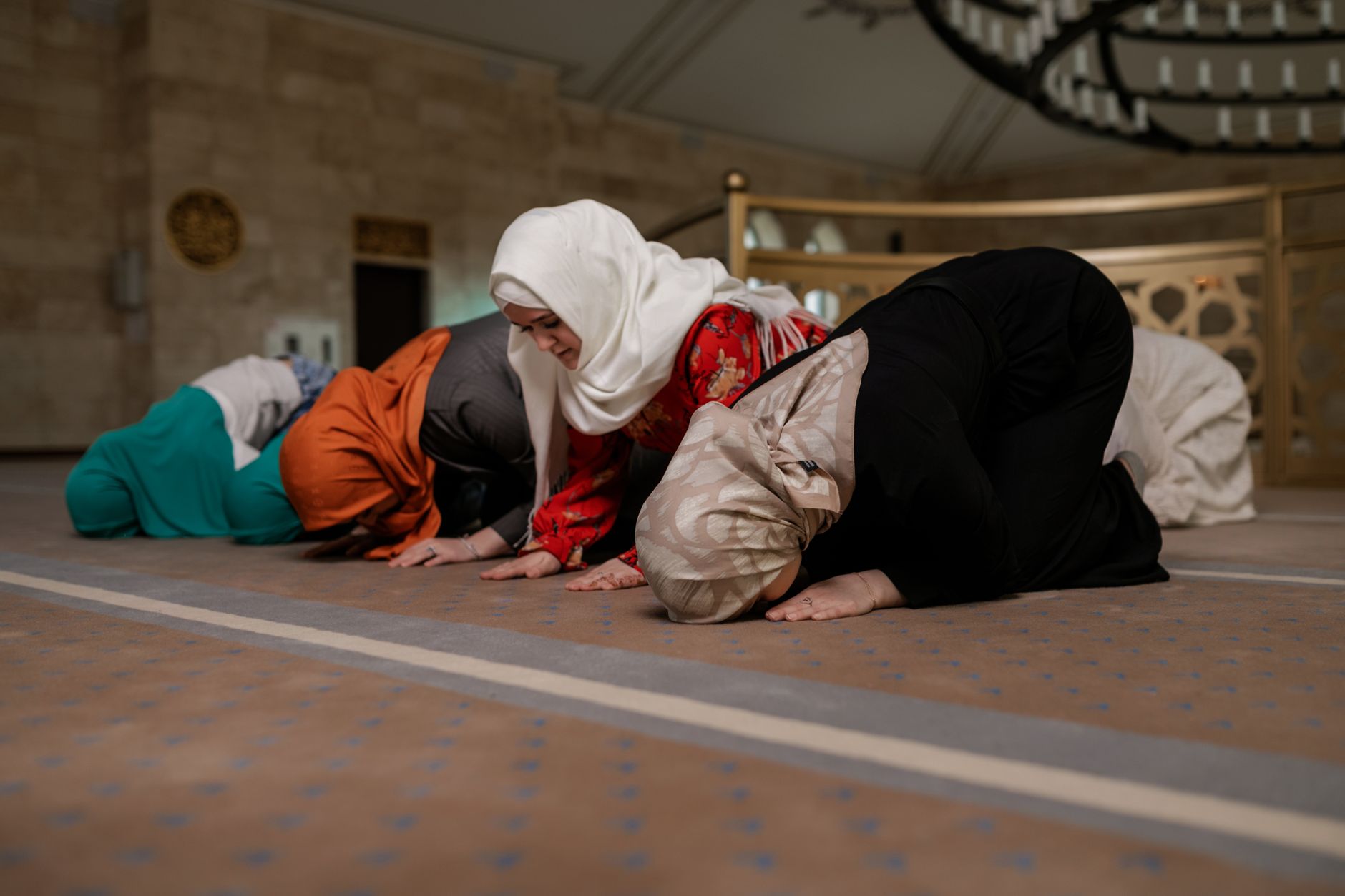
Regularly reviewing the ways to strengthen Iman during difficult times can help us maintain a balanced perspective. When we understand the reality of death, we are better equipped to handle grief with patience and hope. This faith-based approach guides us through life’s many transitions.
“Every soul will taste death, and you will only be given your [full] compensation on the Day of Resurrection.”
Reference:
Quran 3:185
Finally, always seek to increase your knowledge through authentic sources. If you face complex situations regarding burial or funeral rites, reach out to a local Imam. They can provide the rights of individuals in Islam and guidance tailored to your specific community needs.
Conclusion
Performing the Janazah prayer is a significant act of worship that strengthens our connection to the community and our Creator. By learning the proper steps, we ensure that we fulfill our obligations to our brothers and sisters in faith. May Allah grant us the ability to serve our community with sincerity and devotion throughout our lives.
Remember that the Janazah prayer is a time for reflection on our own deeds and the mercy of Allah. Approach it with a humble heart and a sincere intention to benefit the deceased. May the peace and blessings of Allah be upon Prophet Muhammad ﷺ, his family, and all his companions.
Frequently Asked Questions
Is Wudu required for Janazah prayer?
Yes, Wudu is required to perform the Janazah prayer. Because it is a formal prayer, the same conditions of purity apply as they do for the daily Salah. You must be in a state of cleanliness before participating in the funeral congregation.
Can women attend the Janazah prayer?
Yes, women are permitted to attend the Janazah prayer. It is a communal act of worship that offers a chance to seek mercy and forgiveness for the deceased. Women should maintain modesty and follow the local guidelines of the mosque or funeral location.
What should I do if I join the prayer late?
If you join the prayer after the Imam has started, simply join the row and follow the Imam’s Takbirat. Once the Imam concludes with the Taslim, you may complete any Takbirat that you missed. If you are unsure about the procedure, observe the others and follow along quietly.