



Understanding the Meaning of Dua
Dua is a beautiful act of worship that defines the core relationship between a servant and Allah. At its simplest level, it is a personal call or supplication to the Creator. When a Muslim makes Dua, they are directly communicating their needs, hopes, and gratitude to the One who listens to everything.
The importance of Dua lies in its ability to humble the heart and remind us of our total dependence on Allah. It is not merely a list of requests, but a profound expression of faith and submission. By turning to Allah, we acknowledge that He alone has the power to change our circumstances.
“And when My servants ask you, [O Muhammad ﷺ], concerning Me – indeed I am near. I respond to the invocation of the supplicant when he calls upon Me.”
Reference:
Quran 2:186
This verse provides deep comfort to every believer who feels alone or overwhelmed. It confirms that Allah is always listening and that our efforts to reach out to Him are never ignored. Understanding this reality is the first step toward building a consistent habit of prayer.
The Spiritual Significance of Supplication
Many people wonder why we pray when Allah already knows what is in our hearts. The answer is that the act of asking changes the person who is making the request. It purifies the soul and strengthens our reliance on the Almighty, which is the true importance of Dua in our spiritual journey.
Through supplication, we detach ourselves from worldly worries and reconnect with our purpose. It serves as a spiritual anchor during times of ease and a shield during times of hardship. When we articulate our struggles, we gain clarity and peace of mind.
Prophet Muhammad ﷺ taught his followers that prayer is the essence of worship. By engaging in this act regularly, we cultivate a heart that is constantly aware of Allah’s presence. This awareness helps us avoid sins and encourages us to perform good deeds, as seen in The Importance of Truthfulness in Islam.
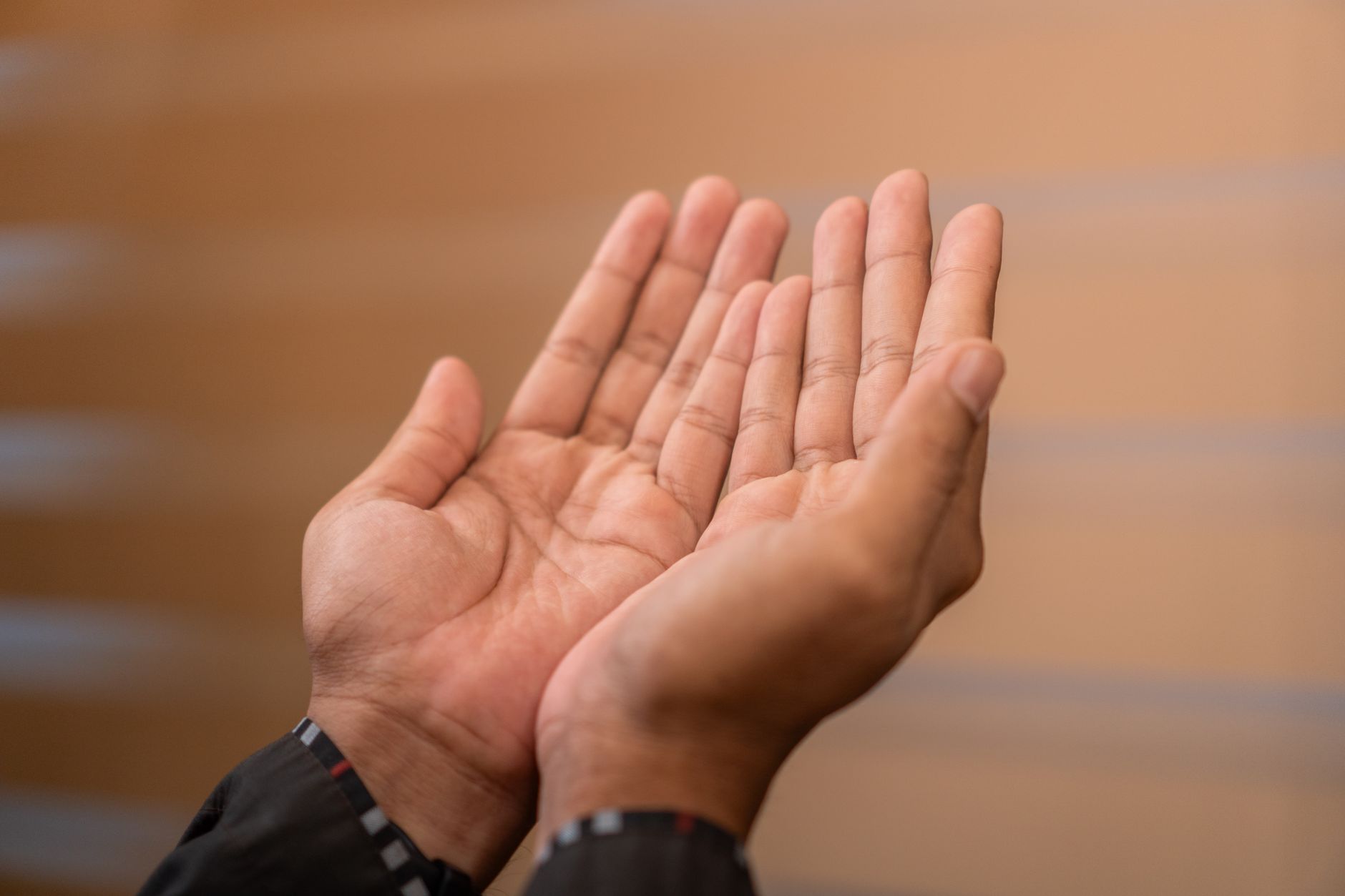
Whether we are thanking Allah for His blessings or asking for forgiveness, the process keeps us humble. It prevents arrogance and reminds us that every success we achieve comes from His grace. This spiritual discipline is essential for every Muslim seeking growth.
Why Dua Is Essential for Every Believer
The importance of Dua is highlighted by the fact that it is a weapon for the believer. It allows us to face life’s challenges with resilience and hope. Without this connection, our hearts can become hardened by the trials of this world.
When we face difficult choices, we perform specific prayers to ask for Allah’s guidance. This practice helps us navigate complex situations while remaining aligned with our values. It is a way to seek clarity when the path forward seems unclear or confusing.
“The supplication is worship.”
Reference:
Jami` at-Tirmidhi 2969
This profound statement from Prophet Muhammad ﷺ elevates our daily requests to the status of a formal act of worship. It means that every time you raise your hands to ask for help, you are performing a deed that pleases Allah. This perspective transforms how we view our daily communication with the Creator.
Connecting Through Constant Remembrance
Maintaining a consistent relationship with Allah requires regular effort and dedication. Much like The Importance of Praying in Congregation, making Dua is a practice that can be done individually or in groups. However, the private moments we spend in supplication are often the most sincere.
We should strive to make our supplications a natural part of our day. We can ask for guidance before starting work, express gratitude after a meal, or seek protection before sleep. These small acts build a habit of constant remembrance, which is a key aspect of a healthy spiritual life.
Consistency is more valuable than long, infrequent sessions of prayer. Even short, heartfelt words spoken with sincerity hold great weight in the sight of Allah. As we learn to integrate this into our routines, we find our outlook on life becoming more positive and patient.
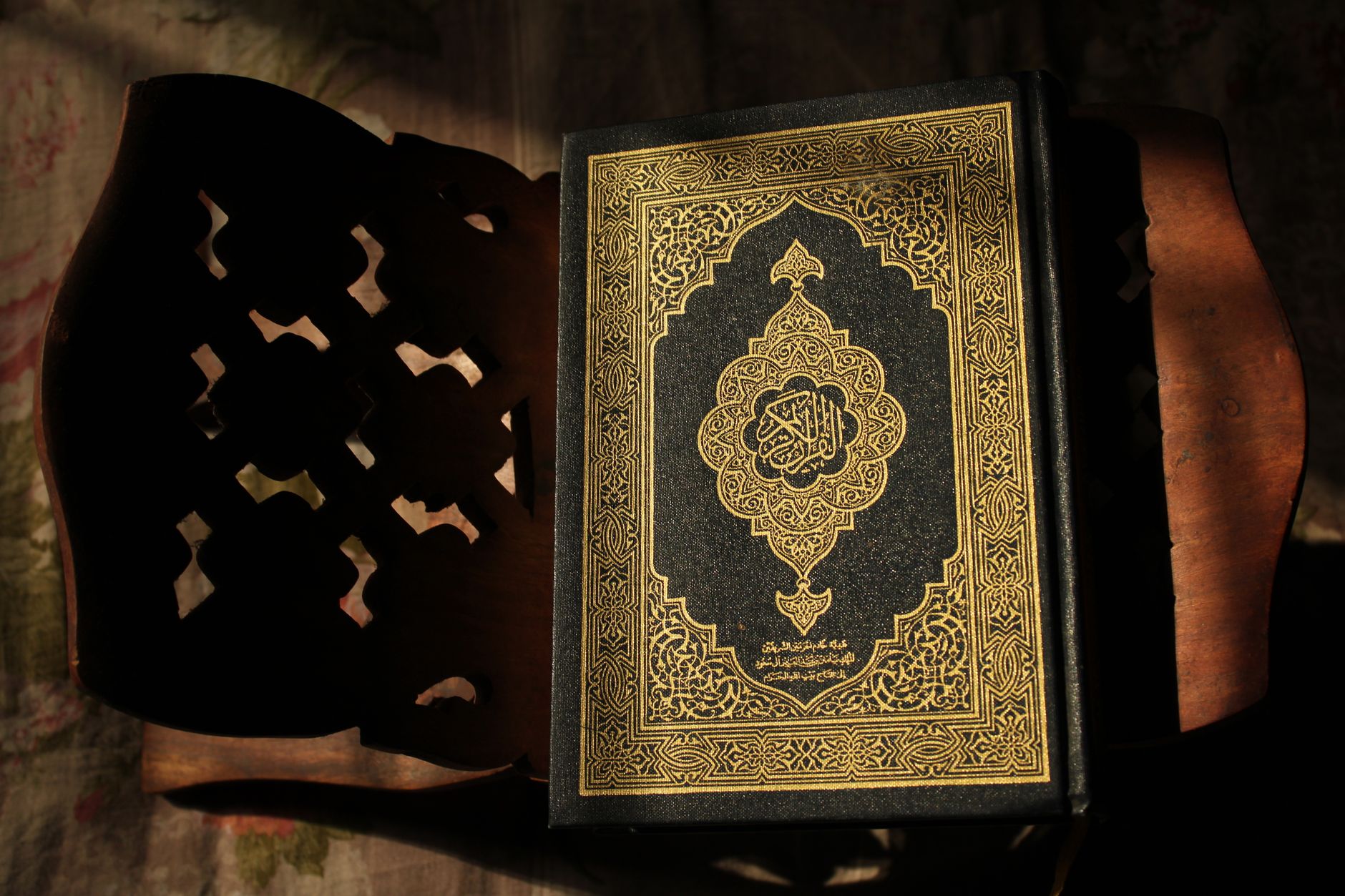
By prioritizing this connection, we ensure that our hearts remain soft and receptive to guidance. This dedication helps us overcome the daily distractions that often pull us away from our faith. It is a simple yet effective way to stay grounded as we navigate the complexities of life.
Practical Ways to Improve Your Supplication
Improving the importance of Dua in your life starts with sincerity and proper etiquette. Begin by praising Allah and sending blessings upon Prophet Muhammad ﷺ, as this shows respect and humility. Being clear about what you are asking for also helps you focus your intentions during the process.
It is also helpful to reflect on the names and attributes of Allah. When you ask for mercy, call upon Him by His name, The Most Merciful. This practice aligns your heart with the specific blessing you are seeking and deepens your understanding of His nature.
“Call upon your Lord in humility and privately; indeed, He does not like transgressors.”
Reference:
Quran 7:55
This instruction encourages us to be humble and sincere in our private moments. By avoiding showiness and focusing on a genuine heart-to-heart with Allah, we unlock the full potential of our prayers. If you ever feel lost, remember that you can always seek wisdom through How to Develop Patience During Hardship.
Finally, never lose hope if your request is not answered exactly as you expected. Allah may grant your wish, remove an upcoming harm, or save the reward for the Hereafter. Trusting His wisdom is an essential part of the process.
Conclusion
Understanding the importance of Dua is vital for every Muslim who wishes to live a life connected to the Divine. It is not just a tool for getting what we want, but a path to spiritual maturity and emotional peace. By making it a daily habit, we ensure that we are always turning to the source of all strength and comfort.
Start today by setting aside a few minutes for honest, humble conversation with Allah. Whether you are in a moment of joy or a time of distress, reach out to Him with confidence. Your efforts are seen, heard, and deeply valued. Let your supplications be the foundation upon which you build your faith, patience, and character throughout your life.
Frequently Asked Questions
Is it necessary to make Dua in Arabic?
No, it is not strictly necessary to make Dua in Arabic. While there are many beautiful supplications from the Quran and the traditions of Prophet Muhammad ﷺ that are in Arabic, you can speak to Allah in your own language. Allah understands all languages and hears the sincerity of your heart regardless of the words you use.
When is the best time to make Dua?
While you can pray at any time, certain moments are considered more favorable. These include the time between the Adhan and Iqamah, during the last third of the night, while fasting, and during the final moments before sunset on Friday. These times are blessed, and the believer should try to utilize them for personal supplication.
What should I do if my Dua is not answered?
If you feel your request is not being answered, remember that Allah is the All-Wise. He may be delaying the answer for your benefit, or He may be protecting you from something harmful you cannot see. Continue to pray with patience and trust, knowing that every sincere prayer is recorded and rewarded by Allah.