



Understanding the Importance of Precision in Prayer
Salah is the foundation of a Muslim’s faith and the primary way to connect with Allah. Because it is a direct act of worship, performing it correctly is essential for every believer. However, many people often fall into mistakes during Salah without even realizing it. These errors can range from minor movements to issues with focus or pronunciation.
Learning how to pray correctly is a lifelong process of improvement. By studying the Sunnah of Prophet Muhammad ﷺ, we can refine our movements and recitations. This article aims to help you recognize these common oversights so you can approach your prayer with greater confidence and tranquility.
When a believer stands before their Creator, they should strive for excellence in every action. Small adjustments in your posture or recitation can make a significant difference in the quality of your worship. Let us explore the most frequent areas where worshippers often need to pay closer attention.
Common Physical Errors in Posture and Movement
One of the most frequent mistakes during Salah involves the physical positions we take. For instance, some people rush through their movements, which prevents them from achieving the required state of stillness, known as tuma’ninah. You must pause briefly in every position to ensure your joints settle before moving to the next part of the prayer.
Another common issue is failing to place the forehead and nose firmly on the ground during Sujud (prostration). Prophet Muhammad ﷺ emphasized the importance of this position. Additionally, some worshippers lift their feet off the ground during prostration, which is contrary to the established Sunnah.
Proper alignment of the body is also vital for a correct prayer. When standing, ensure your feet are shoulder-width apart and your gaze remains focused on the place of prostration. Avoiding these physical errors helps maintain the solemnity and discipline that Salah demands from every Muslim.
Recitation and Pronunciation Issues
The words we speak during our prayer are sacred, and their accuracy matters greatly. A major area where people make mistakes during Salah is the incorrect pronunciation of Arabic letters in Surah al-Fatihah. Because this Surah is a pillar of the prayer, taking the time to learn the correct Tajweed, or rules of recitation, is mandatory for every believer.
Some individuals also rush through their recitation, blurring the words together in a way that changes their meaning. It is important to recite slowly and clearly, reflecting on the meaning of what is being said. If you struggle with your pronunciation, consider seeking guidance from a qualified teacher to correct your recitation.
Furthermore, reciting too loudly can disturb those praying nearby in a congregation. While you should hear yourself, your voice should remain at a moderate volume. Respecting the space of others is part of the etiquette of the mosque and communal worship.
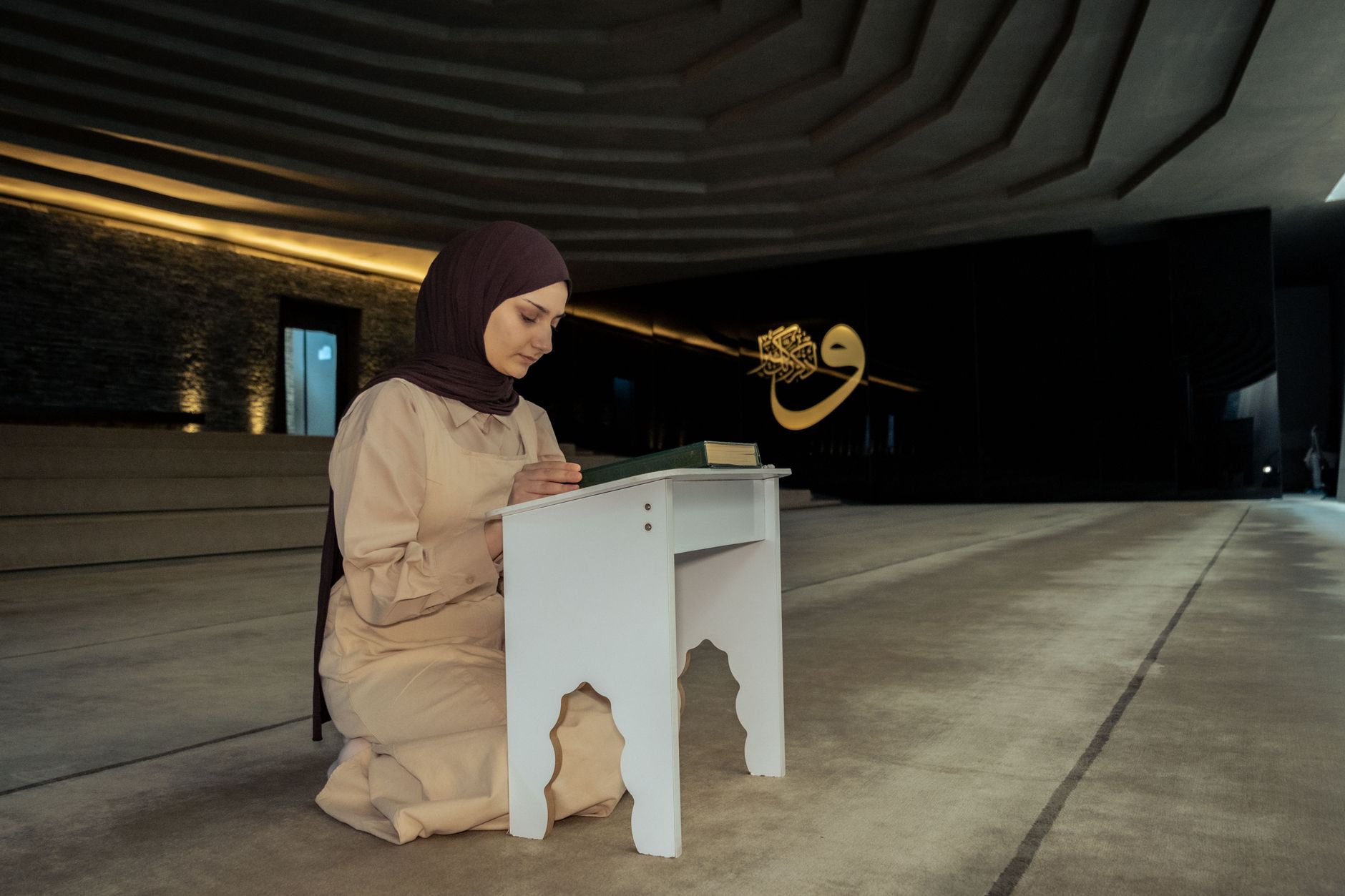
Avoiding Common Mistakes During Salah in Recitation
To avoid common mistakes during Salah, ensure you do not skip the obligatory pauses between verses. Many people move too quickly from one verse to the next, losing the rhythm of the prayer. Take a short breath after each verse to allow your heart to process the words of the Quran.
“The Prophet Muhammad ﷺ said: ‘There is no prayer for the one who does not recite the Opening of the Book (Al-Fatihah).'”
Reference:
Sahih al-Bukhari 756
Losing Focus and Presence of Heart
The spiritual essence of prayer is khushu, or humility and focus. One of the biggest mistakes during Salah is letting the mind wander to worldly affairs. While it is natural for thoughts to drift, you must actively strive to bring your heart back to the remembrance of Allah.
Looking around the room or fidgeting with clothing are also common distractions. These actions diminish the quality of your prayer and indicate a lack of concentration. Instead, keep your eyes fixed on the spot where you prostrate and visualize standing before the Almighty.
If you find it difficult to focus, try to reflect on the meaning of the words you are reciting. Understanding the translation of the Tasbih and the Quranic verses can help anchor your mind. Consistent practice in this area will eventually lead to a more peaceful and fulfilling prayer experience.
Following the Imam and Congregational Etiquette
When praying in a group, the movements of the congregation must follow the Imam. Some worshippers make mistakes during Salah by moving ahead of the Imam or lagging too far behind. The goal is to follow the Imam closely, ensuring that the congregation moves as one unified body.
Another point of confusion involves the placement of feet in the rows. You should stand shoulder-to-shoulder with the person next to you to eliminate gaps. This practice fosters unity and follows the clear instructions given by Prophet Muhammad ﷺ for congregational prayers.
If you arrive late, do not rush to join the row in a way that disrupts others. Enter the prayer calmly, follow the Imam’s current position, and complete your missed rak’ah (units of prayer) afterward. Learning how to pray when sick or in different circumstances can also help you manage your movements if you have physical limitations.

Conclusion
Improving our worship is a journey that requires patience and a sincere desire to please Allah. By identifying these common mistakes during Salah, you take the first step toward a more meaningful connection with your Creator. Always remember that Allah looks at the sincerity of the heart and the effort you put into following the Sunnah of Prophet Muhammad ﷺ.
Do not be discouraged if you find it hard to perfect your prayer overnight. Consistent learning and small, steady changes will lead to significant improvements over time. If you have any doubts about your practice, it is always wise to consult a knowledgeable local scholar for guidance. May Allah accept your prayers and grant you peace in your worship.
Frequently Asked Questions
What should I do if I realize I made a mistake during Salah?
If you realize you made a mistake, such as skipping a step or forgetting a recitation, you may need to perform the Sujud Sahw, or prostration of forgetfulness. The method depends on the specific error made. It is best to learn the rules regarding these prostrations to ensure your prayer remains valid according to the Sunnah of Prophet Muhammad ﷺ.
Is it acceptable to pray quickly to finish on time?
Prayer is not a task to be checked off; it is a meeting with the Creator. Rushing is one of the most common mistakes during Salah because it removes the required stillness. It is far better to perform fewer prayers with full focus and correct posture than to rush through many prayers without proper intent.
How can I increase my focus during the prayer?
To increase your focus, prepare yourself before the prayer by performing Wudu with care. You can also learn how to perform Ghusl correctly to ensure you are spiritually prepared. During the prayer, try to understand the meaning of the words you recite, as this helps keep your mind engaged in the conversation with Allah.