


The Foundation of Character
Truthfulness in Islam is more than just speaking words that match reality. It is a fundamental quality that defines a believer’s character and their relationship with Allah.
When a person chooses to be honest in every situation, they show respect for the truth. This virtue serves as a bridge to righteousness and helps maintain trust within our families and communities.
Every Muslim should strive to make honesty a constant habit. By holding onto the truth, we reflect the teachings of Prophet Muhammad ﷺ in our daily actions and interactions with others.
The Status of Truthfulness in the Quran
Allah emphasizes the value of being truthful throughout the Quran. He commands the believers to remain with those who are honest in their speech and their deeds.
Being truthful is a quality that Allah loves and rewards. It distinguishes the sincere believer from those who harbor deceit in their hearts.
“O you who have believed, fear Allah and be with those who are true.”
Reference:
Quran 9:119
This verse serves as a reminder that we must surround ourselves with people who value honesty. By doing so, we strengthen our own commitment to the truth.
If you want to understand how to improve your character, you can read more about what causes Iman to increase and decrease to see how actions affect our spiritual state.
Lessons from Prophet Muhammad ﷺ
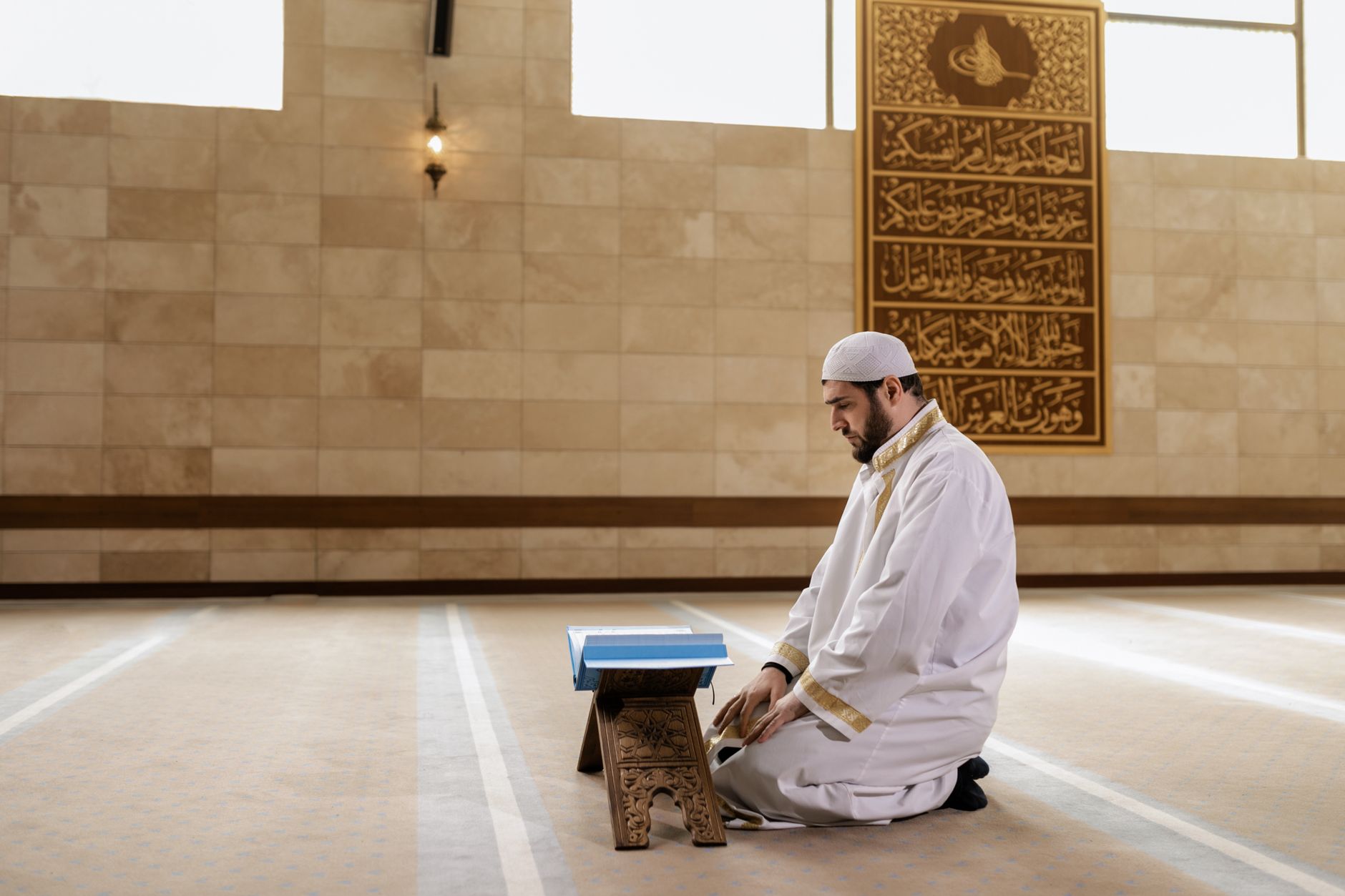
Prophet Muhammad ﷺ was known as Al-Amin, or the Trustworthy, even before his prophethood. His life remains the perfect example of how to practice truthfulness in Islam in every circumstance.
He taught his followers that honesty is a path that leads to Paradise. Conversely, he warned that lying leads to wickedness, which ultimately leads to the Fire.
“Truthfulness leads to righteousness, and righteousness leads to Paradise.”
Reference:
Sahih al-Bukhari 6094
We must look to his life to see how he handled difficult situations. He never resorted to falsehood, even when it seemed easier or safer to do so.
Following his example helps us navigate the challenges of the modern world. We should emulate his patience and his firm commitment to the truth.
Practicing Honesty in Daily Life
Many people wonder how to maintain truthfulness in Islam when life gets complicated. It starts by being honest with oneself before being honest with others.
In business, we must be transparent about the quality of our goods. In our homes, we should speak the truth to our family members, even when it feels uncomfortable.
You can find guidance on managing complex social dynamics by learning how to deal with difficult relatives in Islam with grace and honesty. Building a reputation for being truthful is a great blessing.
People will learn to rely on your word. This builds trust, which is essential for a healthy and thriving Muslim community.
The Spiritual Benefits of Being Truthful

When you are truthful, you find inner peace and contentment. Your heart becomes free from the anxiety that comes with hiding the truth or keeping up a facade.
Allah promises that those who are truthful will be rewarded for their sincerity. This reward is not just in the afterlife, but also in the blessings we receive today.
“Indeed, the truthful men and truthful women… for them Allah has prepared forgiveness and a great reward.”
Reference:
Quran 33:35
Sincerity is a light that illuminates our path. It helps us avoid the pitfalls of hypocrisy and keeps our intentions focused on pleasing Allah.
Consistent practice of truthfulness helps us maintain a pure heart. As we learn in the signs of sincere repentance, being true to oneself is the first step toward genuine change.
Conclusion
The importance of truthfulness in Islam cannot be overstated. It is the hallmark of a believer who fears Allah and hopes for His mercy in this life and the hereafter.
By prioritizing honesty in our speech and actions, we align ourselves with the guidance of Prophet Muhammad ﷺ. Start today by making a conscious effort to speak only what is true, even if it is against your own interests.
May Allah grant us the strength to be among the truthful and guide us to the best of character.
Frequently Asked Questions
Is it ever permissible to lie in Islam?
Generally, lying is forbidden in Islam as it is a major sin. However, scholars mention very specific, rare exceptions, such as in times of war or to reconcile between two people who are fighting. These exceptions are strictly defined and should not be used as an excuse to lie in daily life or business.
How can I become more truthful?
You can become more truthful by constantly reminding yourself that Allah hears and sees everything. Practice pausing before you speak to ensure your words are accurate. Surround yourself with honest friends who encourage you to speak the truth, and always ask Allah for help in purifying your tongue and your heart.
Does truthfulness affect my prayer?
Yes, truthfulness impacts every aspect of a believer’s life, including their worship. If a person is dishonest in their dealings, their heart may become hardened. A truthful heart is more receptive to the sweetness of faith and allows for greater focus and sincerity during Salah and other acts of worship.