

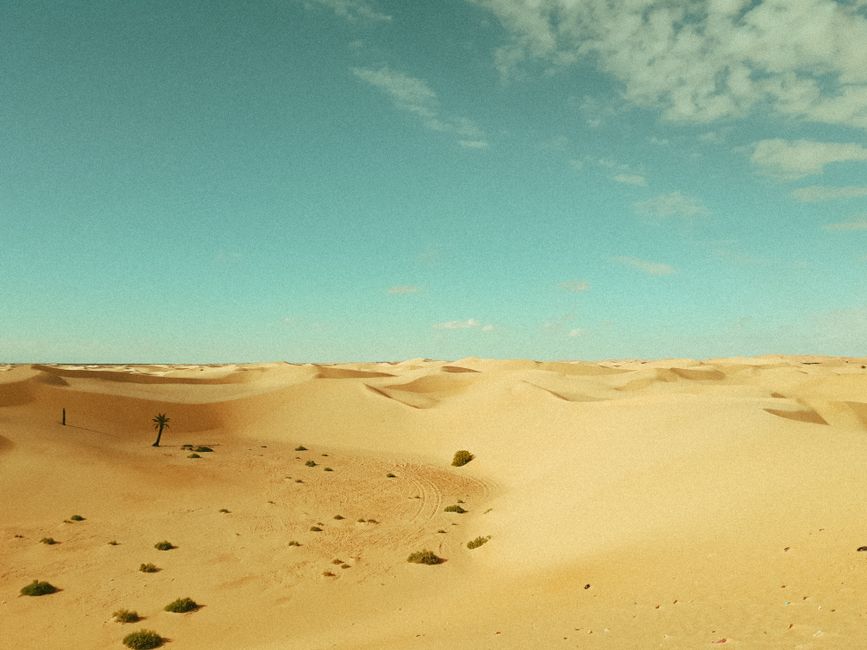
The Spiritual Status of the Day of Arafah
The Day of Arafah is one of the most sacred days in the Islamic calendar. It falls on the ninth day of Dhul-Hijjah, just before the celebration of Eid al-Adha. For those performing Hajj, standing on the plains of Arafah is the central pillar of their pilgrimage. The Prophet Muhammad ﷺ emphasized its virtue, making it a day of hope and mercy for the entire Muslim community.
Allah grants freedom from the Fire to many of His servants on this day. It is a time when the doors of heaven remain open for sincere repentance. Muslims worldwide often reflect on their deeds and seek closeness to their Creator. Understanding the depth of this day helps believers prepare their hearts for worship.
Virtues and Rewards of the Day of Arafah
The rewards for worship on the Day of Arafah are truly immense. This day offers a unique opportunity for believers to erase past mistakes and start anew. The Prophet Muhammad ﷺ highlighted that fasting on this day serves as an expiation for sins.
“Fasting on the Day of Arafah is an expiation for the preceding year and the following year.”
Reference:
Sahih Muslim 1162d
In addition to fasting, believers should engage in frequent dhikr (remembrance of Allah) and du’a (supplication). It is a day when Allah descends to the nearest heaven in a way that befits His Majesty. He expresses pride in His servants who gather to worship Him. Many find guidance in Belief in Allah and His Oneness to strengthen their faith during this blessed period.
The Significance of the Day of Arafah for Non-Pilgrims
While the pilgrims are busy with the rites of Hajj, those at home share in the blessings of the Day of Arafah. You do not need to be in Makkah to receive the mercy of Allah. By fasting and praying, you connect your heart to the sacred atmosphere of the plains of Arafah.
Many Muslims use this time to reflect on the The Meaning of La Ilaha Illallah, which is the best form of dhikr to recite. By reciting this declaration of faith, you renew your commitment to the path of Prophet Muhammad ﷺ. This internal focus creates a profound sense of peace and spiritual renewal for every believer.
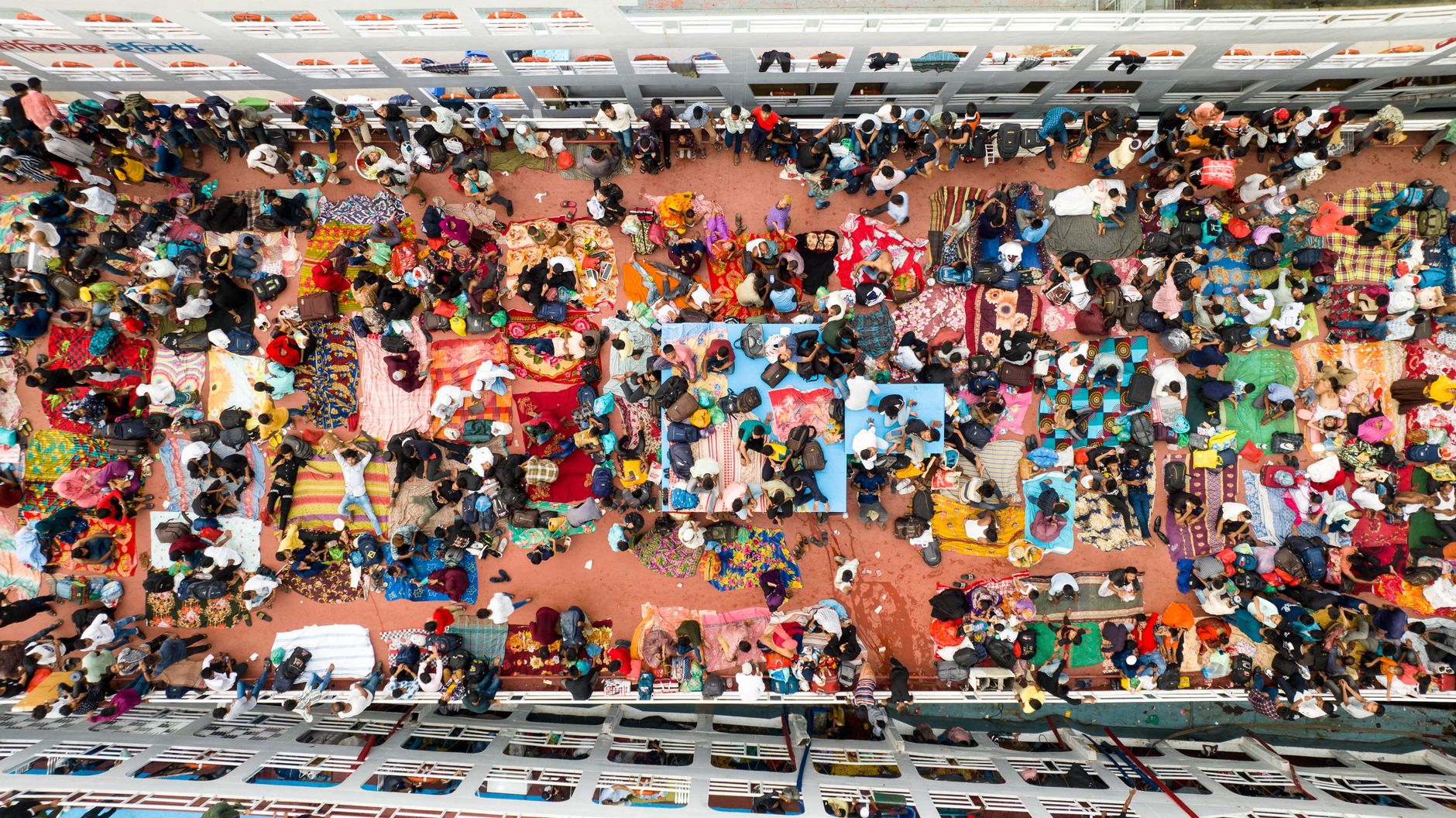
Engaging in Sincere Supplication
Supplication is the essence of worship on this day. The Prophet Muhammad ﷺ taught that the best du’a is the one made on this specific day. Believers should approach Allah with humility, sincerity, and a heart full of hope.
“The best of supplication is the supplication on the day of Arafah.”
Reference:
Jami` at-Tirmidhi 3585
Whether you are at home or traveling, focus on your personal needs and the needs of the Muslim ummah. Ask for forgiveness, guidance, and strength to follow the sunnah of Prophet Muhammad ﷺ. Consistency in these prayers can lead to lasting changes in your character and daily life.
Historical Context and Divine Mercy
The Day of Arafah marks the day when the religion of Islam was perfected. On this historic occasion during the Farewell Pilgrimage, Allah revealed the final verses of the Quran. This completion represents a gift of guidance for all humanity until the end of time.
“This day I have perfected for you your religion and completed My favor upon you and have approved for you Islam as religion.”
Reference:
Quran 5:3
This event solidified the message delivered by Prophet Muhammad ﷺ. It reminds us that every command and prohibition is meant for our benefit. As we honor this day, we acknowledge the mercy inherent in the laws of Allah. Learning about What Breaks the Fast in Ramadan or other acts of worship helps us maintain this level of dedication year-round.
Conclusion
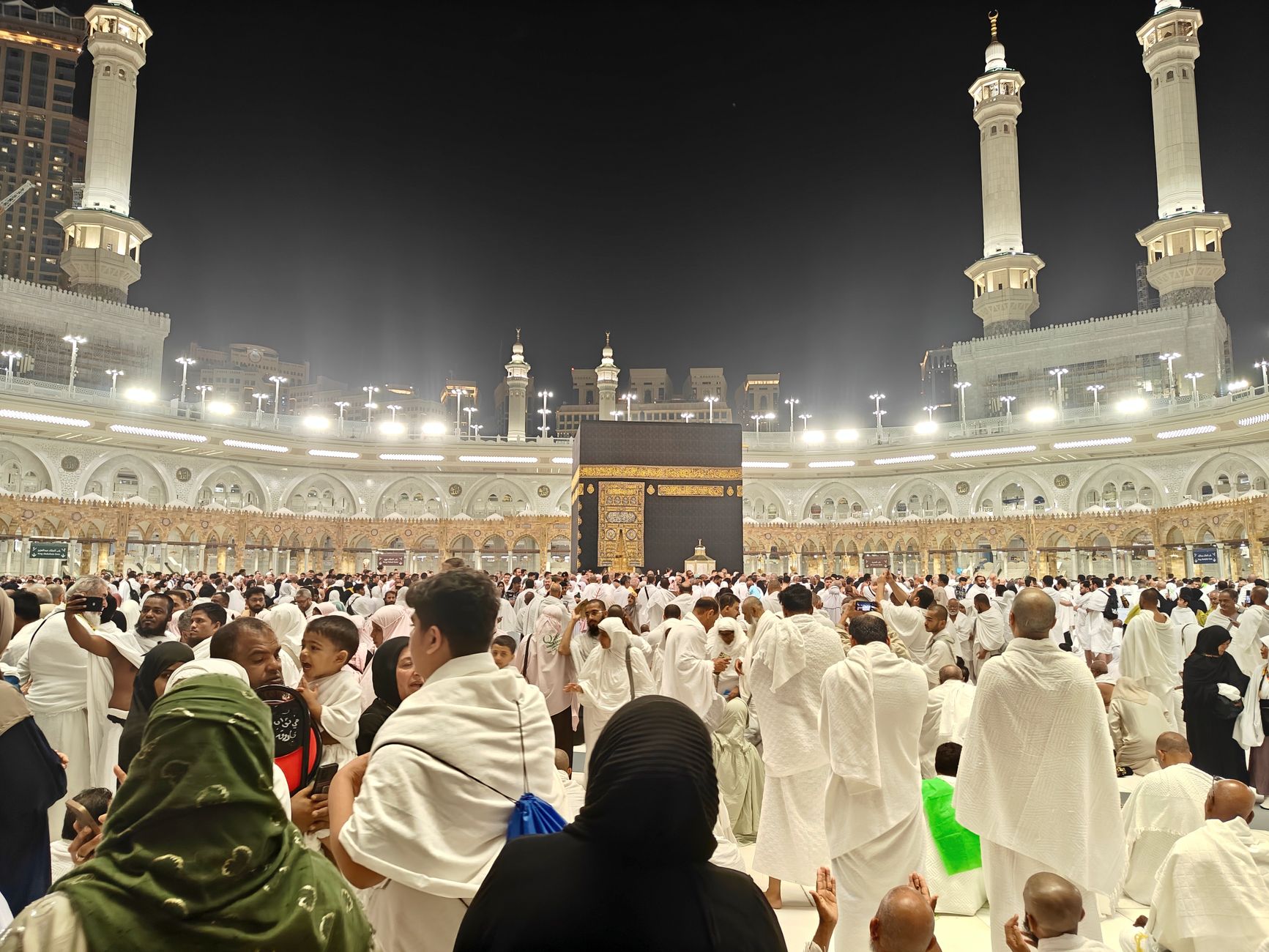
The Day of Arafah remains a pinnacle of the Islamic year, offering a bridge to divine forgiveness. Whether you are performing Hajj or fasting at home, the goal is to detach from worldly distractions and turn toward Allah. By following the guidance of Prophet Muhammad ﷺ, we can ensure our worship is accepted and our hearts are purified.
Take this opportunity to repent sincerely and set new goals for your spiritual growth. The Day of Arafah is not just a single date on the calendar; it is a catalyst for lasting transformation. May Allah accept our efforts and allow us to witness many more blessed days in His service.
Frequently Asked Questions
Can I fast on the Day of Arafah if I am not performing Hajj?
Yes, fasting on this day is highly recommended for those not on the Hajj pilgrimage. The Prophet Muhammad ﷺ indicated that it serves as an expiation for the sins of the previous and coming year. It is a simple yet powerful way to seek Allah’s pleasure and forgiveness from the comfort of your home.
What is the best way to spend the Day of Arafah?
The best way to spend this day is through fasting, reading the Quran, and making abundant du’a. Focus on reciting the kalimah and praising Allah. Many scholars advise that believers should disconnect from daily chores to maximize their focus on worship, following the example of the pilgrims who dedicate the day entirely to Allah.
Is there a specific prayer for the Day of Arafah?
While there is no single prescribed prayer, the Prophet Muhammad ﷺ encouraged believers to recite the Tahlil, which is saying “La ilaha illallah.” You should also make heartfelt supplications in your own language. Allah hears every prayer, so speak to Him with sincerity, asking for His mercy, guidance, and protection for yourself and the entire ummah.