

Long before receiving the divine message, Prophet Muhammad ﷺ was widely known across Makkah for his unmatched integrity and honesty. People across different tribes respected his fair dealings and trusted him with their most valuable belongings. This article explores how being a Prophet Muhammad ﷺ trustworthy figure established his noble reputation in early Arabian society.
Understanding this history helps believers appreciate the solid foundation of his character. It shows that his truthfulness was recognized by friends and foes alike before Islam spread. Read on to learn key lessons from his early life and business dealings.
The Famous Title of Al-Amin
The people of Makkah did not give praise easily. However, they recognized early on that Prophet Muhammad ﷺ never lied, cheated, or broke a promise. Because of this rare honesty, they gave him the honorable title of Al-Amin, which means the trustworthy one.
Even before Islam, tribal leaders sought his advice to settle disputes fairly. Whenever conflicts arose over important matters, they turned to him for an unbiased judgment. His reputation for absolute fairness made him a beloved figure in his hometown.
Honesty is a core value in Islamic teachings. Muslims learn that being truthful builds strong bonds within families and communities. The early life of Prophet Muhammad ﷺ serves as a practical model for ethical behavior.
To deepen your understanding of his character, read about the simple lifestyle of Prophet Muhammad. His humble daily habits matched his inner purity and dedication to truth.
When merchants traveled for trade, they sought his partnership because they knew he never compromised on justice. He managed business matters with absolute transparency and clear agreements. Such practices earned him deep respect in competitive markets.
Absolute Integrity in Trade and Business
Trade was the heartbeat of Makkah, and honesty was sometimes rare in bustling markets. Yet, Prophet Muhammad ﷺ stood out for his strict adherence to fair business practices. He never deceived buyers about the quality of his goods.
Business owners often entrusted their wealth to him for trading journeys. They felt complete peace of mind knowing their assets were in safe hands. He always returned profits honestly without a single dispute.
Islam teaches that fair trade brings blessings and divine favor. Dishonesty destroys trust and harms community relations. The business ethics demonstrated by Prophet Muhammad ﷺ guide modern Muslim entrepreneurs today.
Truthfulness in commerce requires courage and self-discipline. A truthful merchant values long-term integrity over short-term financial gains. This principle remains essential for success in both worldly and spiritual matters.
The Quran emphasizes the importance of fulfilling contracts and acting with justice. Honest dealings reflect true faith and strengthen the social fabric.
“O you who have believed, do not consume one another’s wealth unjustly but only [in lawful] business by mutual consent.”
Reference:
Quran 4:29
Safeguarding Trusts and Valuables
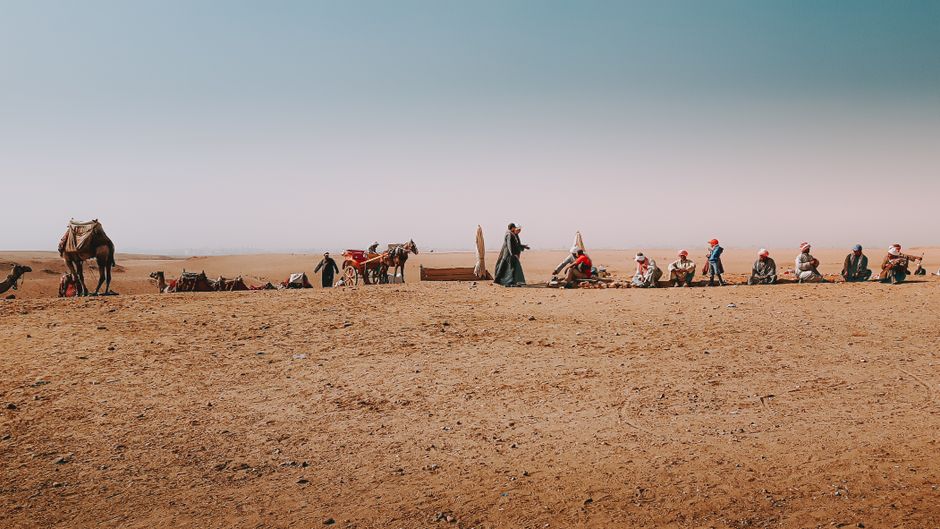
Makkans often traveled across harsh deserts for trade, leaving their precious belongings behind. Since they had no safe banks, they needed someone completely reliable to store their valuables. They deposited gold, silver, and important documents with Prophet Muhammad ﷺ.
Even years later, when these same people opposed his message, they still left their valuables with him. They knew their property was completely safe. This proves that being a Prophet Muhammad trustworthy person was an undeniable fact acknowledged even by his toughest critics.
Keeping a trust is a heavy duty in Islamic ethics. Breaking a promise or betraying a trust destroys relationships and invites punishment. Believers must guard the rights of others with extreme care.
To explore how early Muslims supported each other through difficult times, read about the brotherhood between the Muhajirun and Ansar. Mutual trust formed the backbone of the growing Muslim community.
When Prophet Muhammad ﷺ prepared to migrate to Madinah, he left Ali ibn Abi Talib behind to return all deposited items to their rightful owners. This final act of responsibility showed his deep commitment to justice, even under life-threatening pressure.

Building Peace Through Character
Before prophethood, Makkah faced a major crisis regarding the rebuilding of the Kaaba. Different clans argued fiercely over who deserved the honor of placing the sacred Black Stone back in its corner. Tensions rose, and fighting seemed almost certain.
The tribal elders wisely decided to let the first person entering the sanctuary judge the matter. That person turned out to be Prophet Muhammad ﷺ. Everyone rejoiced and shouted, Here is Al-Amin, we are content with his judgment.
He solved the conflict brilliantly by placing the sacred stone on a large cloak. Leaders from every clan held the edges of the cloak together to lift it. Then, he placed the stone in its final spot with his own hands.
Wise leaders resolve disputes through fairness and collaboration. Good character opens doors to peace and unity among people. Muslims should strive to follow this noble example in daily life.
Effective conflict resolution saves communities from division. True wisdom involves finding creative solutions that satisfy all parties fairly.
Lessons in Truthfulness for Daily Life
The noble character of Prophet Muhammad ﷺ offers timeless lessons for every believer. Honesty is not merely a social courtesy but a fundamental pillar of faith. A truthful person earns the love of Allah and the respect of people.
Parents and teachers should instill honesty in children from an early age. Practicing truthfulness in speech and action builds strong moral character. Small acts of daily honesty prepare individuals for greater responsibilities.
To learn more about the early struggles of the early community, read about the journey of the Prophet to Taif. His patience and perseverance remained steadfast despite severe hardship.
Hadith literature highlights the immense virtue of truthfulness. Speaking the truth leads to righteousness, and righteousness leads to Paradise. Every Muslim must protect their tongue from falsehood.
“Truthfulness leads to righteousness, and righteousness leads to Paradise.”
Reference:
Sahih al-Bukhari 6094
Conclusion
The remarkable life of Prophet Muhammad ﷺ before prophethood proves that his noble character was well-established long before receiving revelation. His title of Al-Amin reflects a lifetime of absolute honesty, fair business dealings, and reliable stewardship. People trusted him with their wealth, their disputes, and their deepest secrets.
As modern Muslims, we must reflect these timeless values in our families, workplaces, and communities. Striving to be a Prophet Muhammad trustworthy follower means speaking the truth, keeping promises, and treating others fairly. Let us embody these noble traits to spread goodness and earn the pleasure of Allah.
Frequently Asked Questions
Why was Prophet Muhammad called Al-Amin?
He earned the title Al-Amin because he was exceptionally honest, reliable, and trustworthy in all his dealings. The people of Makkah gave him this name long before he received prophethood.
How did non-Muslims view his trustworthiness?
Even when people opposed his message of Islam, they continued to trust him with their valuable belongings. They knew he never betrayed a trust or broke a promise.
What lessons can Muslims learn from his early life?
Muslims learn the importance of absolute honesty, fair trade, and keeping promises. Good moral character is essential for building a peaceful and respectful society.