

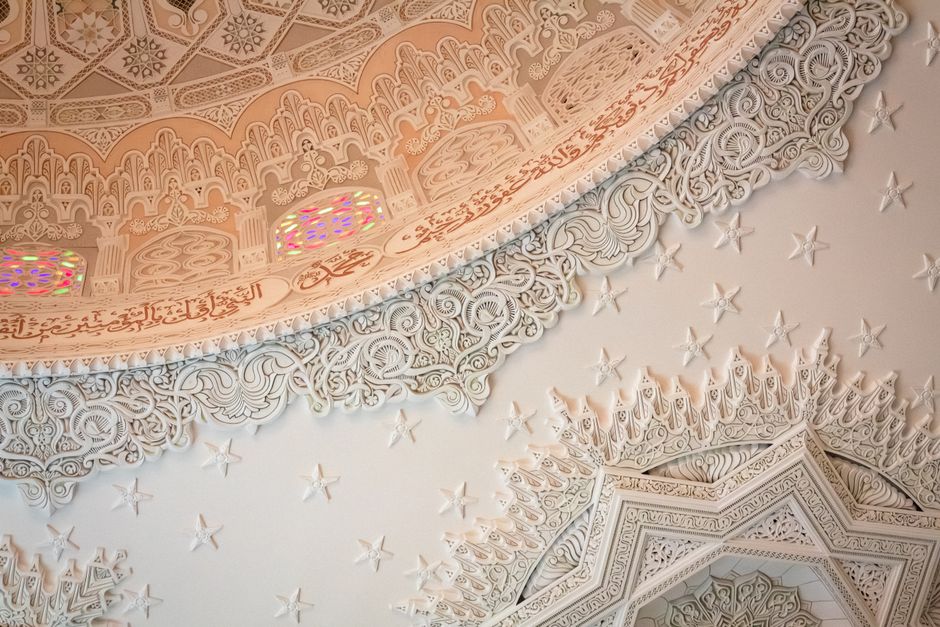
Visiting the house of Allah for congregational worship is a sacred act that brings immense spiritual rewards. Walking to the prayer hall requires mindfulness, proper preparation, and respect for the sacred space. When practicing good mosque prayer etiquette, believers honor the sanctity of the building and maintain a peaceful environment for everyone.
Prophet Muhammad ﷺ emphasized the importance of maintaining tranquility and dignity while heading to the prayer hall. Every step taken toward the place of worship erases sins and elevates spiritual ranks. Therefore, understanding the proper manners ensures that every believer maximizes their spiritual rewards while fostering a welcoming community atmosphere.
Preparation at Home Before Leaving for the Mosque
Spiritual readiness begins long before stepping outside the front door. Performing wudu (ablution) thoroughly at home prepares the body and mind for standing before Allah. Rushing out without proper preparation often leads to distraction during the prayer itself.
Cleanliness remains a core value in Islam. Believers should wear clean, modest clothing and ensure their bodies are free from any unpleasant odors. Eating strong-smelling foods like raw onions or garlic before joining the congregation is strongly discouraged to avoid disturbing others.
Walking to the place of worship with calmness is a Sunnah tradition. Running or rushing creates panic and disrupts the serene atmosphere of the street and the building. Taking deliberate steps allows the heart to transition from worldly concerns to remembrance of the Creator.
Supplicating with specific duva while walking adds immense barakah to the journey. Believers often ask Allah for light in their hearts, vision, and path. This intentional mindset transforms a simple physical walk into a profound act of worship.
Additionally, ensuring punctuality allows worshippers to secure a place in the front rows. Early arrival grants time for quiet reflection, recitation of the Quran, and voluntary prayers. Proper home preparation sets the tone for a deeply focused and peaceful congregational experience.
Entering the House of Allah with Mindfulness
Crossing the threshold of a place of worship requires specific physical and spiritual actions. Entering with the right foot first is a beloved tradition taught by Prophet Muhammad ﷺ. This simple physical action reminds the heart of entering a realm of peace and divine mercy.
Reciting the traditional supplication upon entry connects the believer directly to the teachings of Prophet Muhammad ﷺ. Asking Allah to open the gates of His mercy sets a humble and receptive tone. Silence or quiet whispering should replace loud conversations immediately upon entry.
“When one of you enters the mosque, let him pray two units of prayer before sitting down.”
Reference:
Performing Tahiyyat al-Masjid, which is the greeting of the mosque, honors the sacred space. This voluntary prayer consists of two units and should be performed if time permits before the congregational prayer begins. It marks a respectful transition into sacred worship.
Avoiding loud noises and harsh talk preserves the peaceful environment for everyone. Other worshippers may be engaged in private remembrance or Quran recitation. Respecting their concentration is a fundamental part of community ethics in Islam.

Behavior Inside the Main Prayer Hall
Maintaining utter silence regarding worldly matters is essential inside the main prayer hall. Whispering across rows or discussing business creates distractions for those striving to connect with Allah. Mobile phones must be switched to silent or turned off completely to prevent disruptive rings.
Filling the gaps in the rows demonstrates unity and discipline among the congregation. Prophet Muhammad ﷺ frequently instructed his companions to straighten their lines and stand shoulder to shoulder. Leaving large gaps invites disorder and breaks the visual harmony of unified worship.
“Straighten your rows, for straightening rows is part of the perfection of prayer.”
Reference:
Stepping in front of someone who is actively praying is strictly prohibited. Worshippers should always use a sutrah (barrier) or walk behind anyone engaged in prayer. Respecting the personal prayer space of a fellow believer prevents unnecessary disruption.
Keeping the physical area clean reflects true faith and consideration for others. Picking up any trash, aligning stray shoes, or returning misplaced books restores order. Small acts of service within the building earn great rewards from the Almighty.
Listening Attentively and Following the Imam
Synchronizing movements with the imam is mandatory during congregational worship. Rushing ahead of the imam invalidates the prayer or creates major structural errors in the sequence. Believers must wait until the imam completes a movement before following suit.
Listening quietly during Quran recitation is another vital aspect of proper mosque prayer etiquette. Allah explicitly commands believers to remain silent and listen attentively when the Quran is being recited aloud. This focused listening brings divine mercy and deepens comprehension.
“So when the Qur’an is recited, then listen to it and pay attention that you may receive mercy.”
Reference:
Avoiding unnecessary movement during the sermon on Fridays or special gatherings is equally important. Fidgeting, playing with phones, or talking to neighbors distracts from the vital reminders being delivered. Absorbing the advice helps strengthen personal faith and community bonds.
For those interested in deeper spiritual growth, learning how to improve concentration in Salah transforms the daily routine into a profound conversation with the Creator. True focus eliminates outside distractions and elevates the quality of the worship experience.
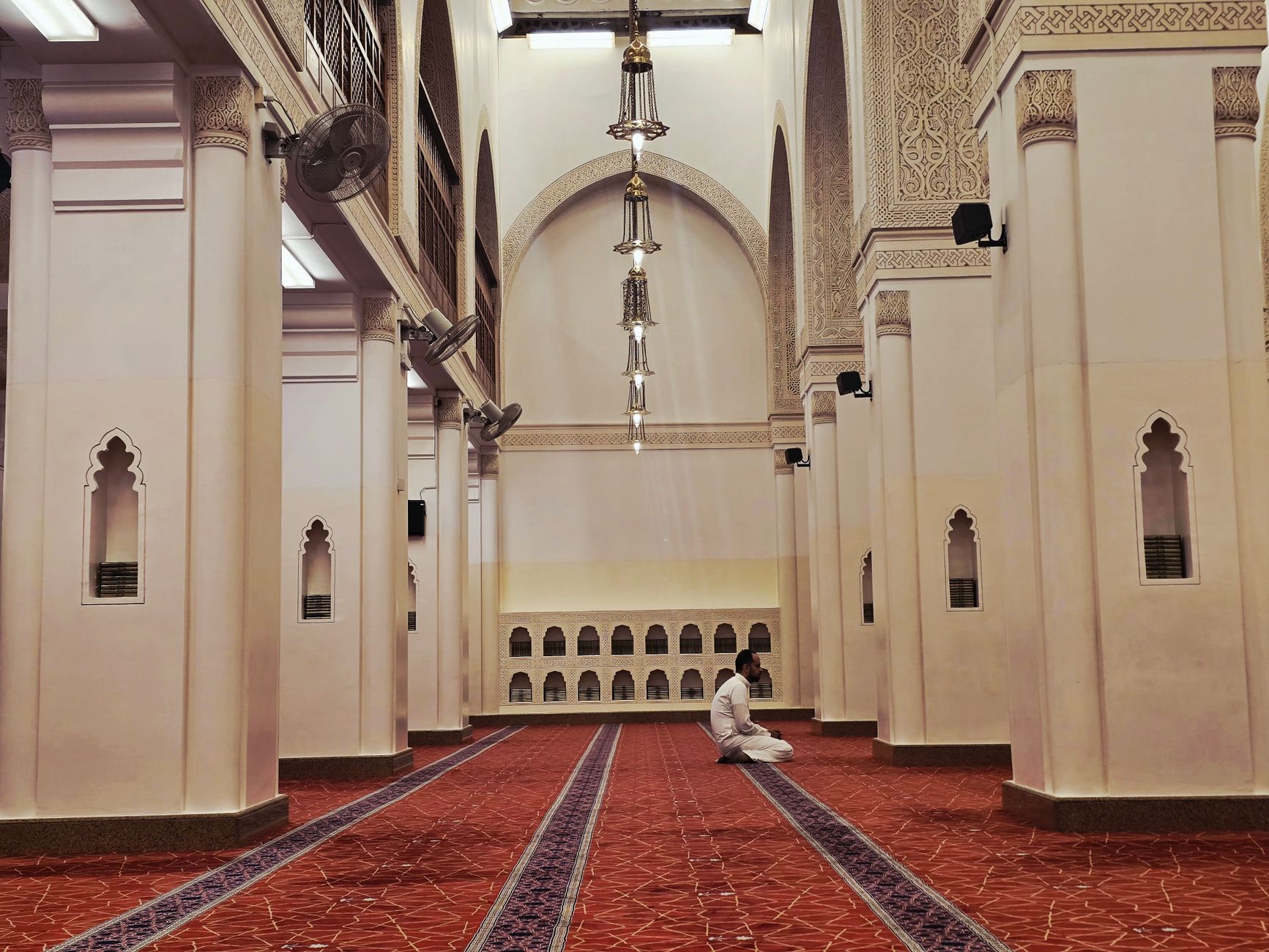
Departing Gracefully and Maintaining Peace Outside
Leaving the sacred space requires the same level of mindfulness as entering. Exiting with the left foot first follows the established prophetic tradition. Reciting the departure supplication asks Allah for His grace and continued protection in the outside world.
Blocking doorways or narrow hallways for extended social conversations causes inconvenience for others leaving the building. Socializing should take place in designated courtyard areas or outside the main exit paths. Keeping pathways clear ensures a smooth flow of foot traffic.
Preserving the peaceful spiritual state gained inside helps believers navigate daily challenges with patience. The tranquility experienced during congregational prayer should reflect in interactions with family, neighbors, and coworkers. Maintaining good character outside the building proves the sincerity of the inner worship.
For further personal development, studying the importance of seeking beneficial knowledge encourages lifelong learning and better religious practice. Understanding foundational duties empowers Muslims to practice their faith with confidence and clarity.
Furthermore, reading about the importance of Muslim brotherhood reminds believers of the deep connections forged within community gatherings. Standing shoulder to shoulder in prayer builds lasting bonds of love and mutual support among community members.
Conclusion
Observing proper etiquette when visiting the house of Allah transforms routine habits into deeply rewarding acts of devotion. Every step, quiet moment, and respectful gesture contributes to a serene and spiritual environment for the entire community. Practicing authentic mosque prayer etiquette ensures that worshippers honor the sacred space and reap the full blessings of congregational prayer.
Believers should strive to implement these manners during every visit, seeking closeness to Allah and harmony with fellow Muslims. By prioritizing respect, cleanliness, and focus, every trip to the prayer hall becomes a meaningful journey toward spiritual elevation.
Frequently Asked Questions
What should I do if I arrive late to the congregational prayer?
Latecomers should enter quietly, perform wudu if needed, and join the congregation immediately by following the imam’s current movement. After the imam concludes the prayer with tasleem, the latecomer stands up to complete any missed units quietly.
Is it permissible to use a mobile phone inside the prayer hall?
Using mobile phones for worldly tasks inside the main prayer hall disturbs others and violates the peaceful atmosphere. Phones should always be turned off or set to silent mode before crossing the entrance threshold.
Why is it important to leave gaps filled in the prayer rows?
Filling gaps maintains unity, order, and discipline among the congregation as instructed by Prophet Muhammad ﷺ. Leaving spaces open disrupts the visual and spiritual alignment of unified worship.