



The Historical Context of the Constitution of Madinah
After the migration to Madinah, the city faced many challenges. The people were divided into various tribes, including the Ansar, the Muhajirun, and several Jewish tribes. To create a stable and peaceful society, Prophet Muhammad ﷺ introduced a formal agreement. This document is known today as the Constitution of Madinah.
The primary purpose of this agreement was to stop tribal warfare and establish common laws. It defined the rights and responsibilities of every person living in the city. By setting clear rules, the Prophet Muhammad ﷺ protected the lives and property of all citizens. This step was essential for building a unified community in a diverse environment.
The document recognized that all groups had a role in the defense of the city. It encouraged people to look beyond their tribal loyalties and focus on the common good. This approach fostered a spirit of cooperation that was previously unknown in the region. It remains a profound example of how justice can be established through clear, shared rules.
Core Principles of the Agreement
The Constitution of Madinah emphasized the importance of justice for everyone. It stated that all believers should stand together against injustice, no matter who committed it. This principle ensured that the law was applied equally to everyone in the society.
The document also protected the freedom of religion for the Jewish communities living in the city. They were granted the same rights to practice their faith as the Muslims. This inclusion was a significant shift from the tribal politics of the time. It showed that peace could exist when people respected each other’s rights.
Furthermore, the agreement created a system for resolving disputes. Instead of resorting to violence, citizens were encouraged to seek mediation. This mechanism helped maintain stability and prevented minor disagreements from becoming major conflicts. It taught the community that dialogue is better than conflict.
Establishing Security Through the Constitution of Madinah
Security was a major concern for the early Muslim community. The Constitution of Madinah established that the defense of the city was a collective duty. If any group was attacked, all signatories were expected to help defend the city together. This created a sense of safety for all inhabitants.
By defining clear boundaries for safety, the Prophet Muhammad ﷺ reduced the risk of sudden attacks. This unity allowed the community to thrive and focus on building their future. It also discouraged internal betrayal, as the agreement held everyone accountable for their actions.
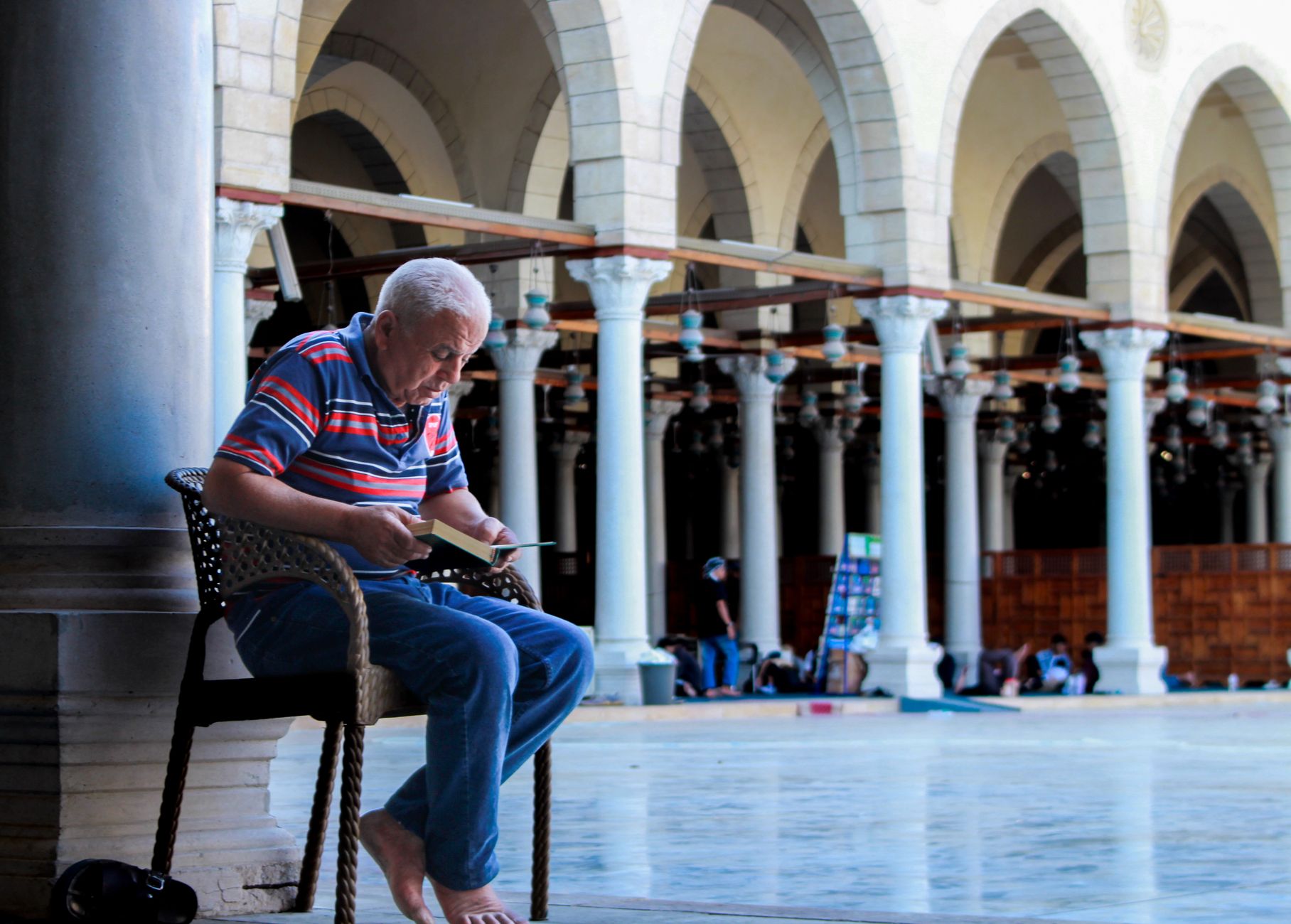
The Role of Prophet Muhammad ﷺ as a Mediator
As the leader of the city, Prophet Muhammad ﷺ acted as the final judge in all legal matters. He ensured that the justice and strength of Umar ibn Al-Khattab and other leaders were guided by this document. His leadership style was based on fairness, patience, and clear communication with all parties.
Whenever a dispute arose, he listened to all sides before making a decision. This practice helped build trust among the different tribes and religious groups. People felt confident that their grievances would be heard and treated with respect under his guidance.
His role as a mediator was not just about solving problems; it was about teaching the community how to live together. He showed that true leadership involves serving the people and protecting their rights. This legacy of fairness is a core part of the importance of Muslim brotherhood in Islam.
Lessons in Social Cohesion and Unity
The agreement teaches us the value of living together in peace. It shows that diversity does not have to lead to conflict if there is a shared vision. By focusing on common goals, the people of Madinah were able to build a strong and lasting society.
The Quran highlights the importance of keeping promises and fulfilling obligations, which is the foundation of any contract. Allah says:
“O you who have believed, fulfill [all] obligations.”
Reference:
Quran 5:1
This verse reminds us that honoring our words is a religious duty. In the context of the Constitution of Madinah, it meant that everyone was bound by their promise to live in peace. This commitment to truth and fairness is essential for any healthy community.
The Lasting Impact on Islamic Governance
The principles established in this document continued to influence Islamic history for centuries. It set a standard for how a leader should treat their people, regardless of their background. Even as the Muslim community grew, the focus on justice remained a central pillar of governance.
Prophet Muhammad ﷺ always emphasized the importance of following the law and avoiding oppression. He said:
“Beware of oppression, for oppression will be darkness on the Day of Resurrection.”
Reference:
Sahih Muslim 2578
This guidance helped the early Muslims maintain a society where everyone felt secure. It serves as a reminder that true power comes from being just and fair. We can learn from this by being honest and respectful in our daily interactions with others.
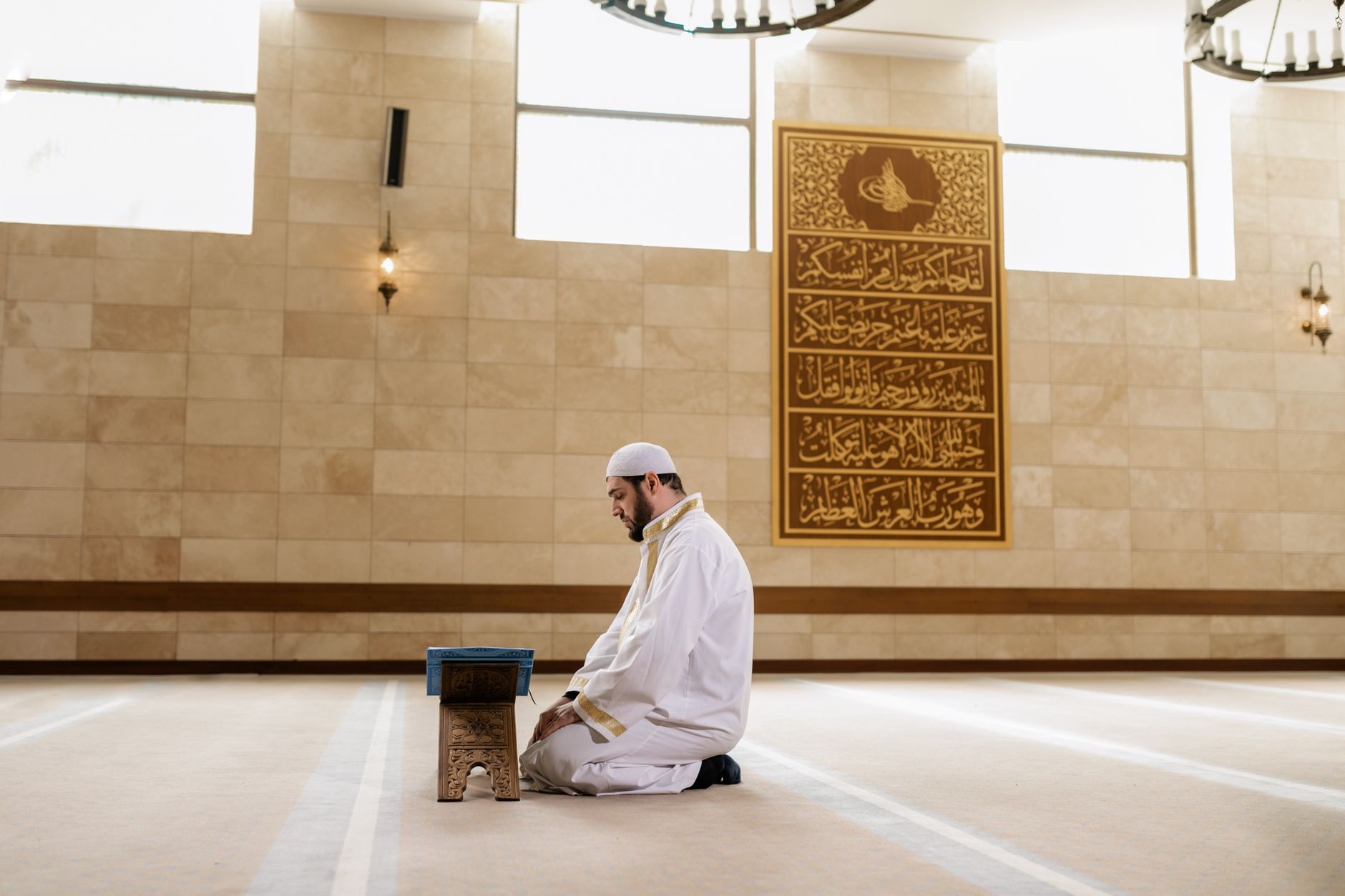
The way the Prophet Muhammad ﷺ handled the affairs of the city shows his wisdom. We should strive to apply these lessons in our own lives, especially regarding how we treat our neighbors. By being kind and fair, we contribute to a better, more peaceful community for everyone.
As we look at the meaning of La Ilaha Illallah, we understand that submission to Allah also means following His laws. These laws include treating people with justice and honesty in all our agreements.
Conclusion
The Constitution of Madinah serves as a timeless example of how to build a peaceful and just society. By establishing clear rules and emphasizing mutual respect, Prophet Muhammad ﷺ created a model for community living. This agreement protected the rights of all citizens and encouraged unity among diverse groups. It reminds us that justice and fairness are the foundations of a successful community.
When we study the Constitution of Madinah, we learn the importance of keeping our promises and acting with integrity. These values are essential for every Muslim to practice in their daily life. By following the example of Prophet Muhammad ﷺ, we can foster peace and cooperation in our own neighborhoods. May we all strive to uphold these principles in our interactions with others and contribute to a more just world.
Frequently Asked Questions
What was the main goal of the Constitution of Madinah?
The main goal was to end tribal conflict and establish a unified community in Madinah. It created a system of mutual defense and clear legal responsibilities for all residents. By doing this, Prophet Muhammad ﷺ ensured that the city could function as a peaceful society where everyone felt secure and respected.
Did the Constitution of Madinah protect non-Muslims?
Yes, the document explicitly granted protection and religious freedom to the Jewish tribes living in Madinah. They were treated as part of the community and had the right to practice their faith without interference. This was a revolutionary step that promoted social harmony and mutual respect between different religious groups.
Why is this document important for modern Muslims?
It provides a historical framework for justice, equality, and the rule of law in Islam. It teaches that a leader must be fair to everyone and that society thrives when people honor their agreements. Studying it helps us understand how to build strong, honest, and peaceful relationships within our own communities today.