


Understanding the Spiritual Nature of Itikaf
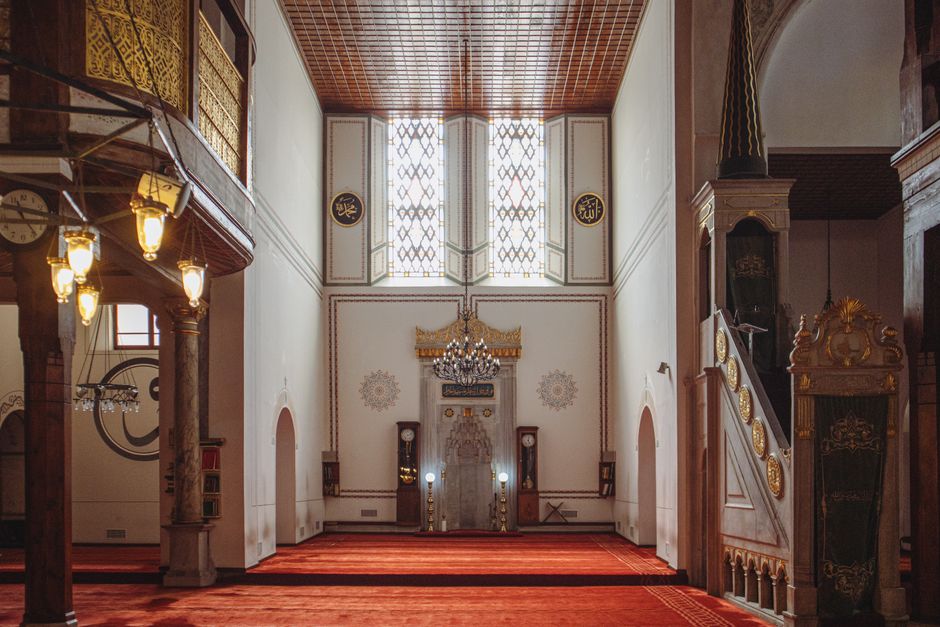
Itikaf is a beautiful act of worship where a Muslim stays in the mosque with the intention of dedicating time solely to Allah. This practice is most commonly observed during the last ten days of the holy month of Ramadan. By choosing to seclude oneself, a believer steps away from worldly distractions to focus entirely on prayer, Quran recitation, and reflection.
The primary goal of this act is to gain proximity to the Creator. It allows a person to detach from daily routines and focus on purifying the heart. Many Muslims view this time as a golden opportunity to seek the night of power, Laylatul Qadr, with deep sincerity and devotion.
When a person enters the mosque for this purpose, they should maintain a state of focus and humility. It is a time for quiet reflection rather than idle conversation. Following the example of Prophet Muhammad ﷺ, many believers find that this period brings immense peace and spiritual clarity to their lives.
“When the last ten days of Ramadan began, the Prophet Muhammad ﷺ would stay up at night, wake his family, and gird his loins.”
Reference: Sahih al-Bukhari 2024
Preparing for Your Time in the Mosque
Proper preparation is essential before you begin your Itikaf. Start by clearing your schedule of all worldly obligations so you can remain in the mosque without interruption. Inform your family and employer well in advance to ensure your absence from daily tasks does not cause unnecessary worry or difficulty.
Pack simple necessities to help you stay comfortable during your stay. You will need a sleeping bag or a mat, basic toiletries, and a few changes of clean clothes. It is also wise to keep your Quran, a notebook for reflection, and perhaps some light snacks or water, depending on the rules of your local mosque.
Most importantly, prepare your heart through sincere intention. Pure intention is the foundation of every deed in Islam. Before you step into the prayer hall, remind yourself that you are there for the sake of Allah alone. If you want to learn how to improve concentration in Salah, this focused time is the perfect environment to practice.
The Rules and Guidelines for Itikaf
The practice of
Itikaf
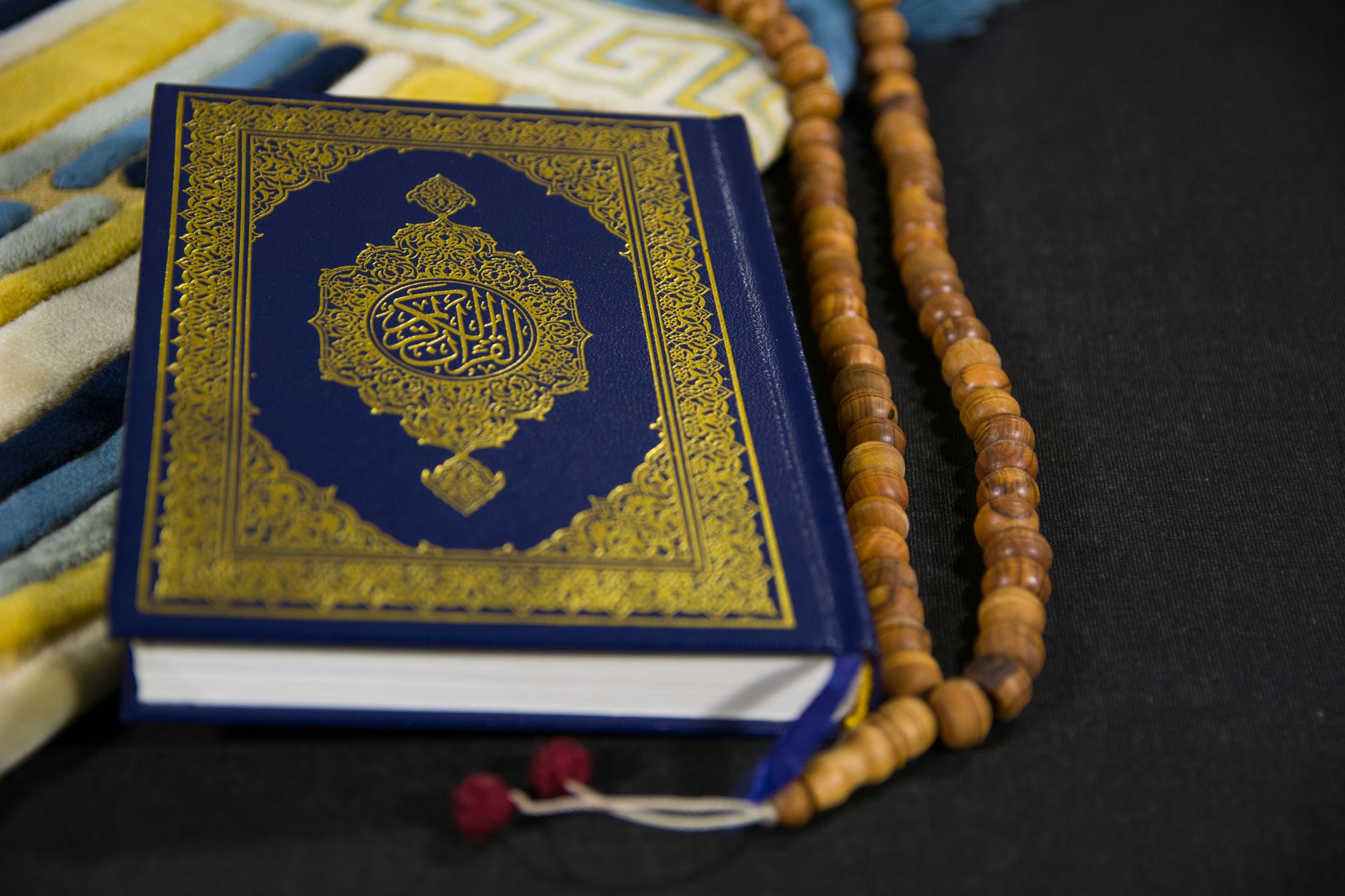
requires staying inside the mosque for the duration of your intended period. You should not leave the mosque except for necessary reasons. Examples of valid reasons include using the restroom, performing Wudu, or attending to urgent medical needs.
While inside, avoid engaging in loud talk or unnecessary worldly discussions. The mosque is a place of sanctuary and remembrance. Use your time to increase your recitation of the Quran, perform voluntary prayers, and make frequent Dua to Allah.
Maintain cleanliness and modesty throughout your stay. Respect the sanctity of the mosque by keeping your area tidy and being mindful of others who are also worshipping. Remember that your conduct inside the house of Allah reflects your sincerity and devotion to the faith.
“And do not have relations with them as long as you are staying for worship in the mosques.”
Reference: Quran 2:187
Maximizing Your Spiritual Reward
To make the most of this time, create a balanced schedule for your worship. Divide your day into segments for reading the Quran, performing voluntary prayers, and making Dhikr, which is the remembrance of Allah. Consistency is far better than doing too much at once and becoming exhausted.
Reflect on your life and your relationship with Allah during this quiet period. Many people find it helpful to read about the lessons from the life of the Prophets to gain perspective. This is a time to ask for forgiveness for past mistakes and to make firm resolutions for the future.
Do not forget to keep your heart soft and humble. Seek the pleasure of Allah by showing kindness to those around you in the mosque. If you are looking for guidance on what to do when you miss a prayer, use this time to reflect on the importance of consistency in your daily life.
The Virtues of This Blessed Practice
The virtue of this act lies in the complete devotion to the worship of Allah. It serves as a spiritual retreat that resets the soul. By disconnecting from the digital world and social pressures, you allow your heart to reconnect with the divine guidance of the Quran.
Prophet Muhammad ﷺ was known for his dedication to this practice. His example teaches us that even a short period of seclusion can have a lasting impact on our character and faith. It helps build a habit of turning to Allah during both times of ease and difficulty.
Finally, remember that the reward for such worship is with Allah alone. Approach this time with hope and patience. May your experience be a source of light, guidance, and peace for your heart throughout the coming year.
“Indeed, the believers, who do righteous deeds, and establish prayer and give zakah will have their reward with their Lord.”
Reference: Quran 2:277

Conclusion
Performing Itikaf is a profound way to end your Ramadan. By setting aside time to live within the walls of the mosque, you prioritize your spiritual growth above all else. This practice helps you cultivate a deeper connection with the Quran and strengthens your resolve to live a life pleasing to Allah.
Whether you choose to spend the full ten days or a shorter period, the sincerity of your heart matters most. Use this opportunity to detach from the noise of the world and find the tranquility that only comes from the remembrance of Allah. May your Itikaf be a transformative experience that brings you closer to the path of Prophet Muhammad ﷺ and fills your life with lasting blessings.
Frequently Asked Questions
Can women perform Itikaf?
Yes, women can perform this act of worship. They may do so in the designated prayer area of a mosque, provided they have permission and follow the necessary rules for modesty and privacy. It is an excellent way for women to seek closeness to Allah during the final days of Ramadan.
What is the minimum duration for Itikaf?
While staying for the full last ten days is the Sunnah, there is no strict minimum duration defined by a specific number of hours. One can make the intention to stay for a shorter period, such as a few hours or a day, to focus on worship and earn the reward of being in the mosque.
Can I leave the mosque during Itikaf?
You may only leave the mosque for essential needs. This includes using the restroom, performing Wudu, or obtaining food if it is not provided at the mosque. Once your need is met, you should return to the mosque immediately to continue your worship and maintain the integrity of your stay.