

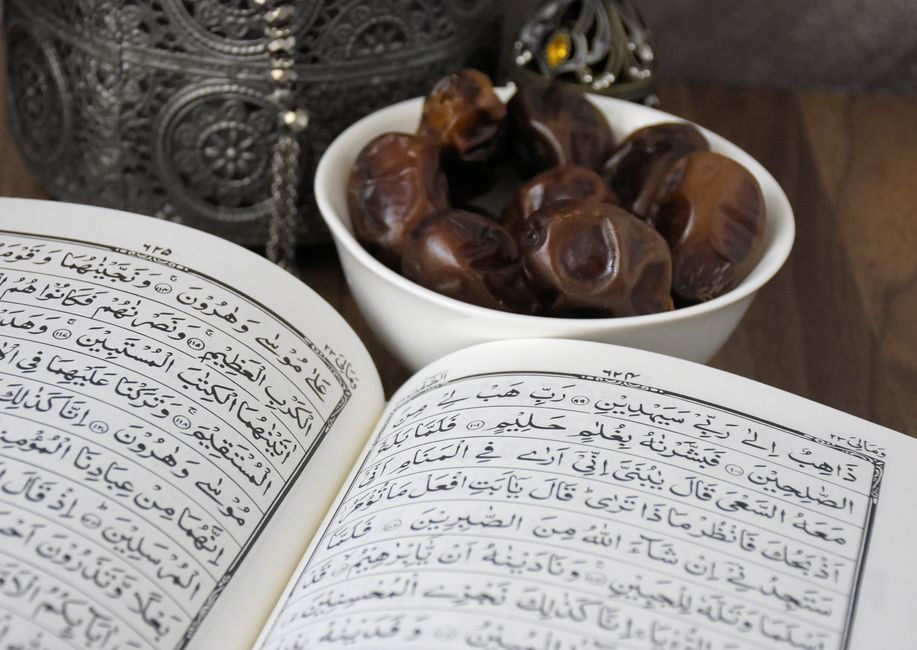
Understanding the Six Fasts of Shawwal
The month of Shawwal follows the holy month of Ramadan. Many Muslims seek to continue their spiritual growth after the intense worship of Ramadan. Observing the six fasts of Shawwal is a beautiful way to maintain the habits built during the previous month.
This voluntary act of worship carries immense rewards. It shows a believer’s commitment to seeking the pleasure of Allah even after the primary fasting season ends. By following the guidance of Prophet Muhammad ﷺ, we can draw closer to our Creator through these extra days of fasting.
The Spiritual Value of These Fasts
The virtue of this practice is rooted in the authentic sunnah. It serves as a bridge between the spiritual peak of Ramadan and the rest of the year. Consistent worship is highly beloved to Allah, as it demonstrates sincerity and steadfastness in our faith.
“Whoever fasts Ramadan, then follows it with six days of Shawwal, it is as if he fasted for a lifetime.”
Reference:
Sahih Muslim 1164a
This hadith highlights the massive reward available to those who complete these days. Fasting one month is equivalent to fasting ten months, and six days equal two months. Together, they complete the reward of a full year of fasting.
Performing these fasts helps maintain the discipline we developed during Ramadan. It prevents us from returning to old habits too quickly. It encourages a balanced approach to worship throughout the entire Islamic calendar.
How to Observe the Fasting Days
You may choose to fast these days consecutively or separately throughout the month. The Islamic law is flexible, allowing you to pick the days that best suit your personal schedule. Some people prefer to begin immediately after Eid al-Fitr, while others wait a few days.
If you have missed days from Ramadan due to travel, illness, or menstruation, prioritize making those up first. Fulfilling the obligatory fasts is the primary duty before focusing on voluntary acts. Once you have completed your missed Ramadan days, you can begin the six fasts of Shawwal.
Consistency and the Six Fasts of Shawwal
Consistency is key to gaining the full benefit of this sunnah. You do not need to fast all six days in a row, though some scholars prefer it for convenience. Spreading them out over the month is perfectly acceptable and valid.
Make your intention clear before the dawn of each day. This simple act of worship aligns your heart with the legacy of Prophet Muhammad ﷺ. It is a practical way to show gratitude to Allah for the blessings experienced during the month of Ramadan.
Managing Voluntary Fasting Properly
Voluntary fasting requires balance with your daily obligations. Ensure that your fasting does not negatively impact your work, family responsibilities, or health. Islam teaches us to be moderate in all our affairs, including our acts of worship.
If you find it difficult to fast six days, remember that even fasting a few days is better than none. You can learn more about who is exempt from fasting in Ramadan if you need clarity on your current status. Always prioritize your health and consult a scholar if you have chronic medical conditions.
Focusing on quality rather than quantity is also vital. Use these days to increase your dhikr (remembrance of Allah) and recitation of the Quran. These actions complement the physical fast and enhance its spiritual impact on your heart.
Reflecting on Our Spiritual Journey
The six fasts of Shawwal offer a time for reflection. We look back at how we performed during Ramadan and look forward to the coming months. This period is a perfect time to set new goals for our daily what is dua and why is it important practices.
We should strive to keep our connection with Allah strong throughout the year. The habits we form in Shawwal can influence our behavior until the next Ramadan arrives. This is how we build a lasting relationship with our faith.
Remember the words of Allah regarding the importance of patience and consistency in worship. These qualities define the life of a true believer who seeks the pleasure of the Almighty.
“Indeed, Allah is with the patient.”
Reference:
Quran 2:153
Our efforts in these days are not in vain. Every fast is a step toward Jannah and a means of purification for our souls. As we learn about the the difference between zakat and sadaqah, we realize that all these acts create a holistic life of devotion.
Conclusion
The six fasts of Shawwal represent a beautiful opportunity for every Muslim to earn vast rewards. By following the sunnah of Prophet Muhammad ﷺ, we bridge the gap between our Ramadan worship and our daily lives. This practice strengthens our discipline and keeps our hearts connected to the obedience of Allah.
We encourage you to approach these days with sincerity and patience. Whether you fast them all at once or spread them across the month, your effort is noted by the All-Knowing. May Allah accept your fasting, your prayers, and your ongoing efforts to please Him throughout the year. Keep your intentions pure and your focus on the ultimate goal of achieving the pleasure of the Creator.
Frequently Asked Questions
Can I fast the six days of Shawwal before making up my missed Ramadan fasts?
Most scholars advise that you should prioritize making up your missed obligatory Ramadan fasts first. Once your mandatory fasts are completed, you can then proceed to observe the voluntary six fasts of Shawwal. This ensures that you have fulfilled your primary religious obligations as commanded by Allah before engaging in additional voluntary worship.
Do the six fasts of Shawwal have to be consecutive?
No, they do not have to be performed consecutively. You have the flexibility to fast them on any days throughout the month of Shawwal, provided you do not fast on the day of Eid al-Fitr, which is forbidden. You may space them out as needed to accommodate your health and personal schedule.
What if I am unable to complete all six days?
If you cannot complete all six days, you should not feel discouraged. Fasting as many as you are able to is still a virtuous act that follows the sunnah of Prophet Muhammad ﷺ. Any amount of voluntary fasting is a means of drawing closer to Allah and increasing your good deeds for the hereafter.