


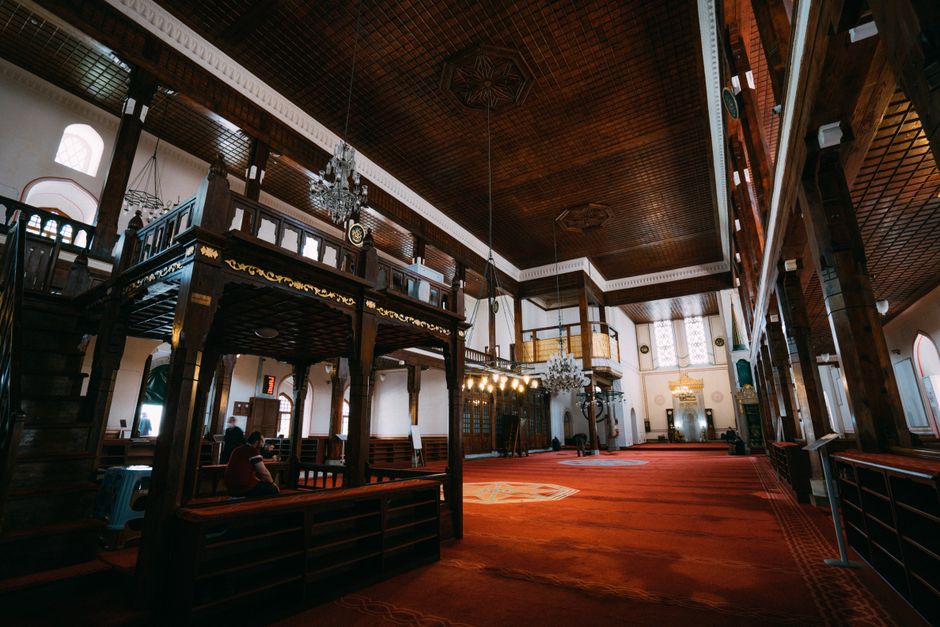
Understanding the Islamic Funeral Process
The transition from this world to the next is a significant event for every Muslim. When a person passes away, the community has specific responsibilities to fulfill regarding the deceased. The Islamic funeral process is designed to honor the dignity of the human body while seeking Allah’s mercy for the departed soul.
These rites are not merely cultural habits but are rooted in the guidance provided by Prophet Muhammad ﷺ. By following these steps, the family and community show care and respect during a time of grief. Every action taken serves as a reminder of the temporary nature of life and the importance of preparing for our return to Allah.
Preparation and Washing the Deceased
When death occurs, the family should remain patient and seek reward from Allah. It is recommended to close the eyes of the deceased and cover the body with a clean sheet. The preparation of the body, known as Ghusl, is a mandatory communal obligation upon the living.
The body must be washed with water, often mixed with lotus leaves or camphor, by trustworthy and knowledgeable Muslims. This process ensures the deceased is clean and ready to meet their Creator. The person performing the washing should maintain the privacy of the deceased at all times.
“The believers are but brothers, so make settlement between your brothers. And fear Allah that you may receive mercy.”
Reference:
Quran 49:10
After the washing is complete, the body is shrouded in a simple white cloth called the Kafan. This practice emphasizes the equality of all people before Allah, as no status or wealth accompanies the individual into the grave.
The Janazah Prayer
The funeral prayer, or Salatul Janazah, is a collective duty for the Muslim community. Unlike regular prayers, this prayer does not involve bowing or prostration. It consists of four takbirs, where the congregation stands to supplicate for the deceased.
The Imam stands by the head of the deceased if it is a man, or the middle if it is a woman. The community gathers to ask Allah for forgiveness and mercy for the person who has passed away. If you wish to learn about other forms of worship, you may look at how to perform Itikaf during Ramadan for spiritual growth.
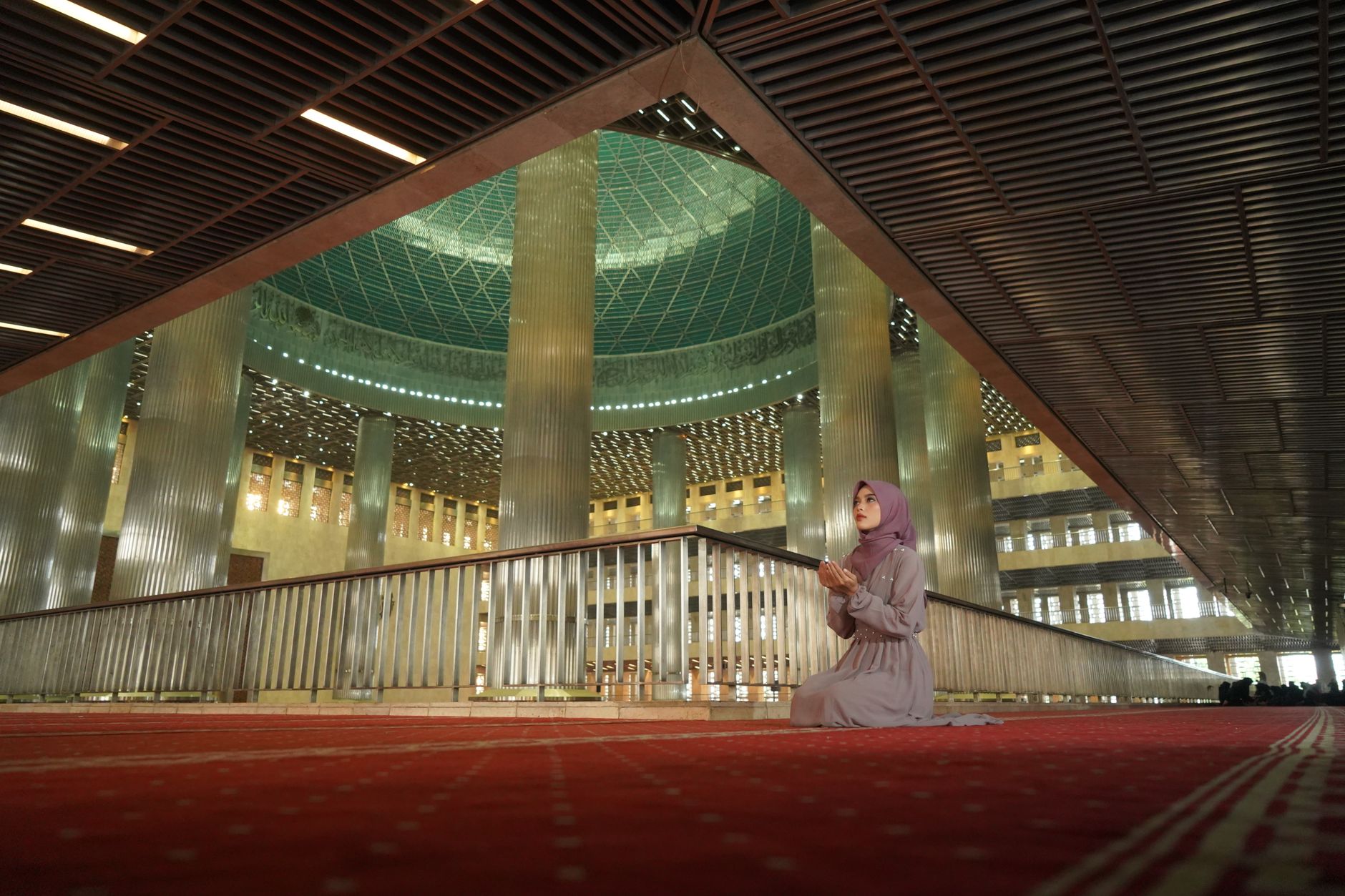
Importance of the Islamic funeral process
Participating in the prayer is a way to support the grieving family and reflect on one’s own life. The Prophet Muhammad ﷺ encouraged Muslims to attend funerals, as it serves as a reminder of the afterlife. It is a time for the community to unite in faith and compassion.
“Whoever attends the funeral until the prayer is offered, he will have a qirat, and whoever attends until the burial is completed, he will have two qirats.”
Reference:
Sahih al-Bukhari 1325
Burial Practices and Etiquette
Once the prayer is finished, the body is transported to the graveyard for burial. The grave should be dug deep and oriented toward the Qibla, the direction of the Kaaba in Makkah. Placing the deceased in the grave is an act of care that requires gentleness and respect.
The body is placed on its right side facing the Qibla. It is a sunnah to recite the name of Allah while placing the person into the earth. Once the body is positioned, the grave is filled with soil, and people may offer short prayers for the forgiveness of the deceased.
Reflecting on these moments helps us understand our purpose, much like learning about the life of Barzakh, which exists between death and the Day of Judgment. The burial itself is a final act of kindness from the living to the one who has departed.
Guidelines for the Grieving Family
Grief is a natural human emotion, and it is permissible to shed tears when a loved one passes away. Prophet Muhammad ﷺ himself wept for his son, showing that sadness does not contradict faith. However, Muslims must avoid excessive wailing or questioning the decree of Allah.
Family members should focus on making sincere Dua for the deceased, as this is something that continues to benefit the soul even after death. Giving charity on their behalf is also a recommended practice in Islam. Just as one might study how Muslims should prepare for death, the family should use this time to increase their own good deeds.
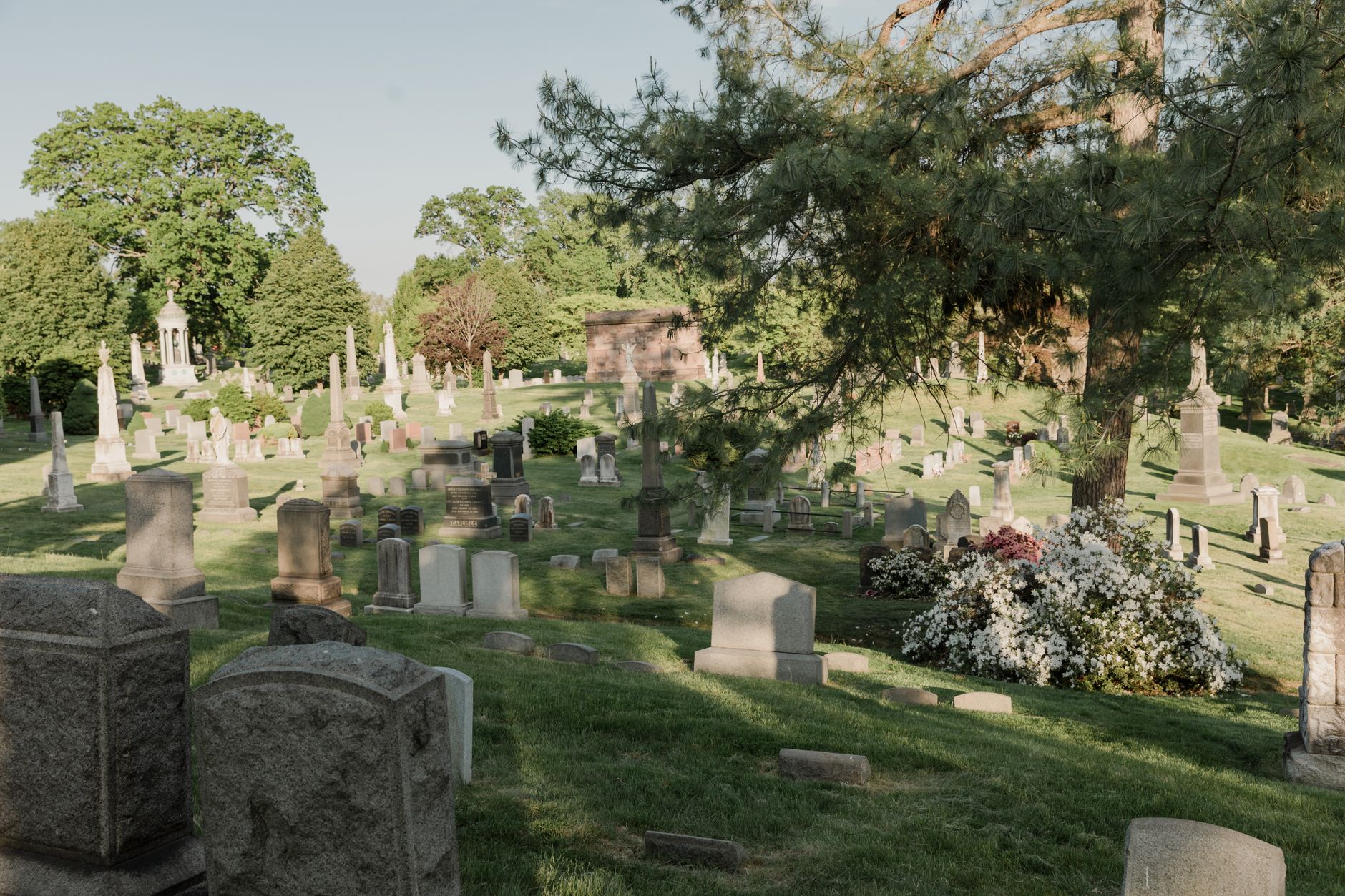
“And We will surely test you with something of fear and hunger and a loss of wealth and lives and fruits, but give good tidings to the patient.”
Reference:
Quran 2:155
“When a man dies, his deeds come to an end except for three: a continuing charity, useful knowledge, or a righteous child who prays for him.”
Reference:
Sahih Muslim 1631
Conclusion
The Islamic funeral process serves as a solemn reminder of our inevitable return to Allah. By performing these rites with care, we honor the humanity of the deceased and fulfill our obligations as a community. These steps, taught by Prophet Muhammad ﷺ, ensure that the transition is handled with the utmost respect and spiritual sincerity.
As we navigate these moments, we should always keep the needs of the deceased in our hearts through prayer and charity. May Allah grant patience to those who grieve and mercy to all who have passed away. By adhering to the authentic Islamic funeral process, we maintain the sanctity of life and the hope for a reunion in the hereafter.
Frequently Asked Questions
Can women attend the burial in the Islamic funeral process?
While some scholars suggest it is better for women to stay home due to the emotional nature of burial, there is no strict prohibition against women visiting the graveyard. It is important to maintain modesty and avoid excessive mourning, ensuring that the environment remains respectful and focused on remembrance of Allah.
Is it permissible to cremate the body?
No, cremation is strictly forbidden in Islam. The body must be buried in the earth, as this is the honorable way to return the human form to the ground. Islam teaches that the body belongs to Allah and must be treated with care, regardless of the person’s status in life.
What should be done if a funeral is delayed?
The Sunnah is to bury the deceased as soon as possible after death. However, if there are necessary delays for legal requirements or to allow family to arrive, it is permitted. The body should be kept in a cool place and handled with respect until the burial can take place.