

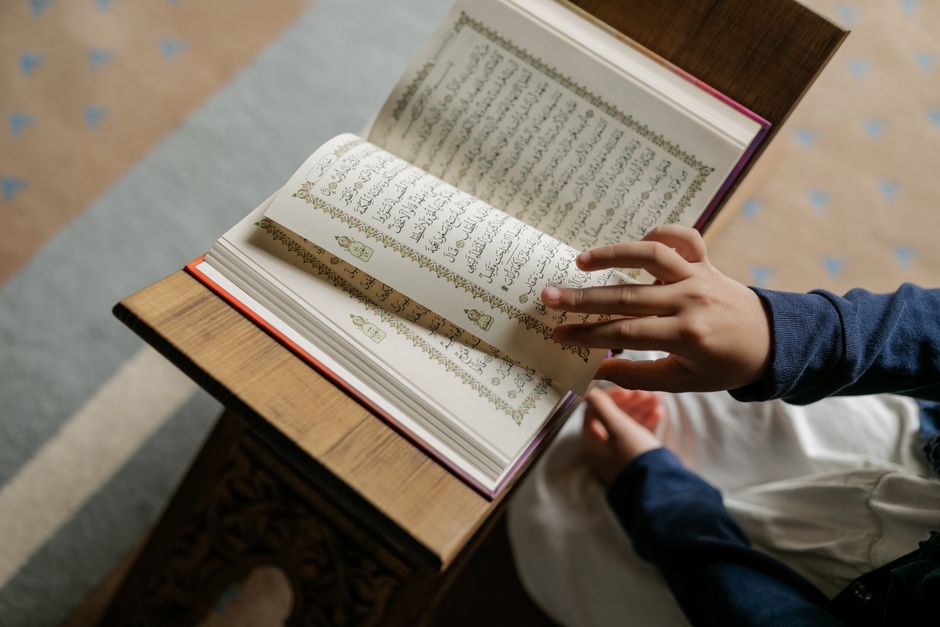
Why Muslims Should Reflect on the Quran
Many Muslims read the holy book regularly, yet they often overlook the depth of its meaning. Reflecting on the Quran involves more than just reciting Arabic words; it requires engaging your heart and mind with the message of Allah.
When you focus on reflecting on the Quran, you bridge the gap between simple reading and true understanding. This process transforms your relationship with the words of your Creator and helps you navigate the challenges of modern life.
The Spiritual Purpose of Recitation
Allah revealed the Quran as a source of guidance for all humanity. It is not meant to be a static object on a shelf but a living companion for every believer.
When you recite the verses, you should seek to understand the lessons hidden within them. This active engagement allows the message to settle into your heart and change your character.
“Then do they not reflect upon the Quran? If it had been from [any] other than Allah, they would have found within it much contradiction.”
Reference:
Quran 4:82
By pondering the meanings, you recognize the wisdom behind the commands and prohibitions. This practice strengthens your belief in divine decree and increases your certainty in the unseen.
Regular reflection prevents the heart from becoming hard. It keeps your faith alive and your intentions pure as you go about your daily responsibilities.
Practical Benefits of Reflecting on the Quran
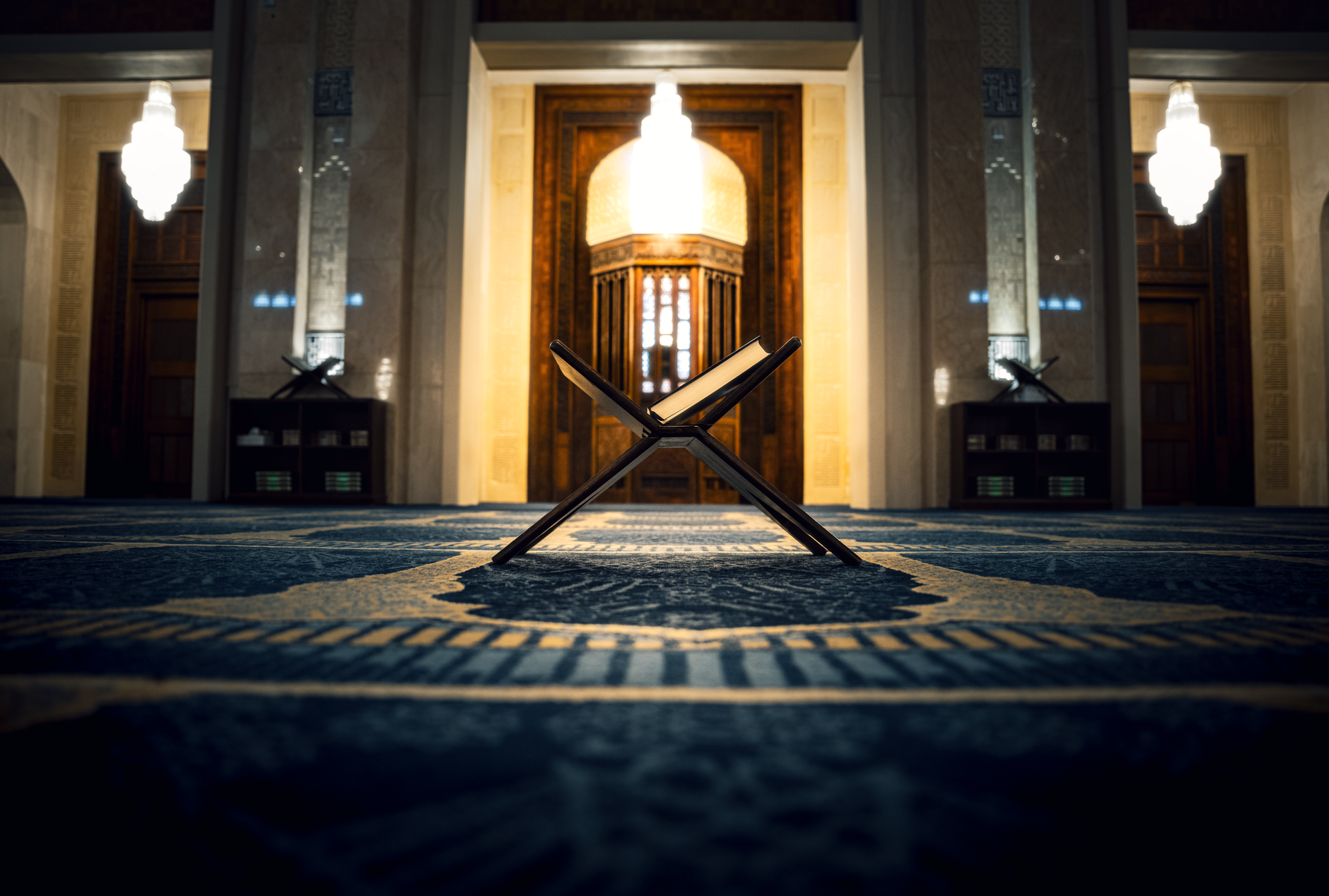
Engaging deeply with the text brings peace to the soul. Life often brings stress and confusion, but the words of Allah provide clarity and comfort in difficult times.
When you practice reflecting on the Quran, you start to see your own life through the lens of divine guidance. You learn how to handle trials with patience and success with gratitude.
This habit also improves your concentration during prayer. When you recognize the verses you are reciting, your connection with Allah becomes much more intimate and sincere.
Many believers find that their anxiety decreases when they regularly contemplate verses about Allah’s mercy. It reminds them that they are never truly alone in their struggles.
You may also discover that your behavior towards others improves. As you understand the ethics taught by the Quran, you become more patient, truthful, and kind in your dealings.
How to Start Your Journey of Reflection
You do not need to be a scholar to begin reflecting on the Quran today. Start with small, manageable steps that fit into your daily routine.
Simple Steps for Reflecting on the Quran
Choose a short surah or even a single verse to study each day. Read the translation slowly and think about how the words apply to your life right now.
Try to read the commentary of a trusted scholar to gain a better understanding of the context. This helps you grasp the intended meaning behind specific stories or commands.
Do not rush to finish the entire book in a short time. Quality of understanding is always more important than the quantity of pages you read.
Always ask Allah to open your heart to the truth. Sincere prayer before your study session prepares your mind to receive the guidance you seek.
Make a note of any lessons you learn and try to implement them immediately. Small, consistent changes are often the most effective way to grow in your faith.
Lessons from the Life of Prophet Muhammad ﷺ
The Prophet Muhammad ﷺ was the best example of living by the Quran. His character was a practical manifestation of every verse revealed to him.
When he was asked about his habits, his wife Aisha explained that his character was the Quran itself. This shows us that reflection must lead to action.
“The best of you are those who learn the Quran and teach it.”
Reference:
Sahih al-Bukhari 5027
We can learn much from how the companions lived. They did not just memorize verses; they studied them, practiced them, and taught them to others around them.
Learning about the journey of the Prophet to Taif reminds us that even in the face of rejection, the message of the Quran remained his source of strength.
By following his example, we transform our lives. We move from being passive readers to active students of the divine message.
Overcoming Common Challenges

Many people feel discouraged because they do not know Arabic. However, Allah made the message accessible to everyone through translations and explanations.
Do not let a lack of formal education stop you from seeking knowledge. Many resources exist today to help you understand the core message of the book.
“And We have certainly made the Quran easy for remembrance, so is there any who will remember?”
Reference:
Quran 54:17
Another common challenge is finding the time. Even ten minutes of focused, quiet time is better than an hour of distracted reading.
If you lose focus, simply pause and refocus your intention. Shaytan often tries to distract us when we engage in good deeds, so stay persistent.
You can also join a local study group to keep yourself motivated. Surrounding yourself with others who value the importance of maintaining family ties and community learning helps you stay consistent.
A Path Toward Lasting Growth
Consistency is the secret to reaping the fruits of your efforts. As you continue reflecting on the Quran, you will notice your heart becoming more sensitive to the truth.
This journey is lifelong. Every time you return to a verse you have read before, you will likely find new wisdom that you did not notice previously.
“Actions are judged by intentions.”
Reference:
Sahih al-Bukhari 1
Keep your intention sincere for the sake of Allah alone. When you seek to please Him, He will guide you to the deepest meanings of His words.
Share what you learn with your family and friends. Teaching others is a beautiful way to solidify your own understanding and gain reward.
May Allah make us among those who recite, reflect, and live by the Quran. May He grant us the ability to implement its teachings in our daily lives.
Frequently Asked Questions
Can I reflect on the Quran without knowing Arabic?
Yes, you can. While learning Arabic is a noble goal, the message of the Quran is universal. Reading a reliable translation alongside a reputable commentary allows you to understand the meaning, wisdom, and rulings. Allah intends for all people to understand His message, regardless of their native language.
How do I know if my reflection is correct?
To ensure your understanding is accurate, refer to established scholarly commentaries known as Tafsir. Avoid interpreting complex verses based solely on your own opinion. Relying on the explanations provided by qualified scholars helps you stay within the correct framework of Islamic knowledge and prevents misunderstandings.
What should I do if I feel distracted while reading?
Distraction is a common challenge for every believer. If you lose focus, pause for a moment to renew your intention and seek refuge in Allah from the whispers of Shaytan. It is better to read one verse with full attention than a whole chapter while your mind is wandering elsewhere.