Understanding the Events of the Day of Judgment
The Day of Judgment is a central pillar of Islamic faith. It is the day when every human will stand before Allah to account for their deeds. Understanding the events of the Day of Judgment helps a believer live with purpose and sincerity.
This article explores the sequence of these occurrences according to authentic sources. By learning about this day, we prepare our hearts for the inevitable encounter with our Creator.
The First Trumpet Blast and the End of Life
The sequence begins when Allah commands the Angel Israfil to blow the Trumpet. This sound causes terror and death to everything living in the heavens and the earth.
“And the Trumpet will be blown, and all who are in the heavens and all who are on the earth will swoon away, except him whom Allah wills.”
Reference:
Quran 39:68
After a period known only to Allah, the Trumpet is blown a second time. This marks the resurrection where all people rise from their graves to face their Lord.
People will stand barefoot and naked, exactly as they were created. They will be in a state of extreme anxiety, awaiting the start of the judgment process.
The Gathering and the Standing on the Plain
Once resurrected, all of humanity is gathered on a vast, level plain. The sun will draw near to the heads of the people, causing them to sweat according to their deeds.
Some will be in the shade of Allah, while others will suffer under the intense heat. This phase highlights the importance of our faith in Allah during our worldly life.

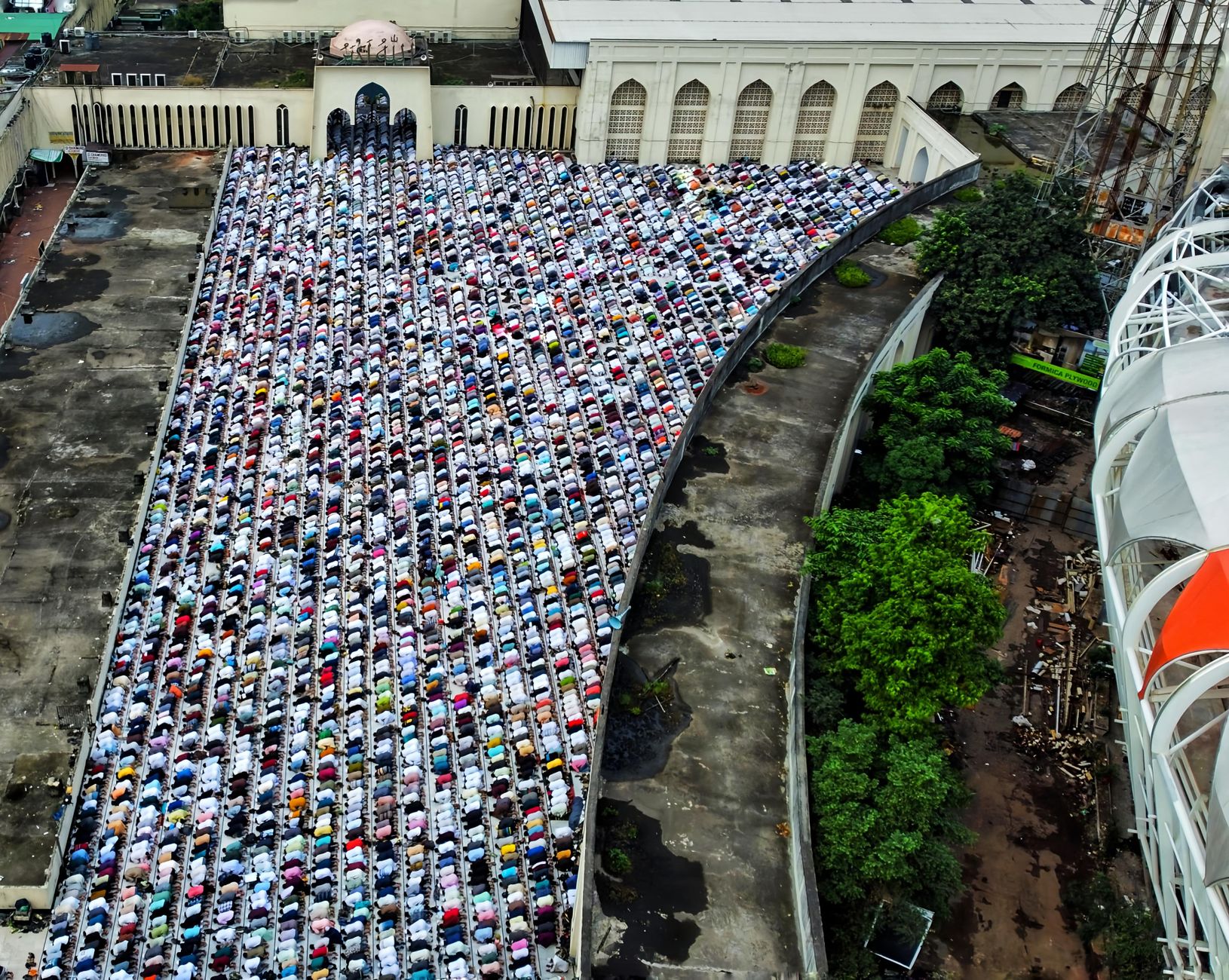
The people will wait for a long time for the reckoning to begin. They will eventually seek intercession from the Prophets, starting with Adam and ending with Prophet Muhammad ﷺ.
Prophet Muhammad ﷺ will then prostrate before Allah and praise Him. Only then will Allah begin the process of judging His servants.
The Reckoning and the Weighing of Deeds
The reckoning is the moment when Allah shows every individual their actions. This stage of the events of the Day of Judgment involves a private meeting between the servant and the Creator.
Allah will question the servant about their life, their wealth, and their knowledge. Every small and large action is recorded in the books held by the angels.
“Whoever does an atom’s weight of good will see it, and whoever does an atom’s weight of evil will see it.”
Reference:
Quran 99:7-8
After the reckoning, the scales, or Mizan, are set up. Deeds are weighed to determine whether the person’s good or bad actions are heavier.
This objective measurement ensures absolute justice. Those whose good deeds weigh more will be successful, while those whose evil deeds prevail will face the consequences.
The Crossing of the Sirat
After the judgment, a bridge called the Sirat is placed over the fire of Hell. This bridge is thinner than a hair and sharper than a sword.
All people must cross it to reach Paradise. The speed at which one crosses depends entirely on their faith and righteous deeds in this world.
Some will cross like lightning, while others will move slowly or fall into the depths below. This is a moment of intense trial for every soul.
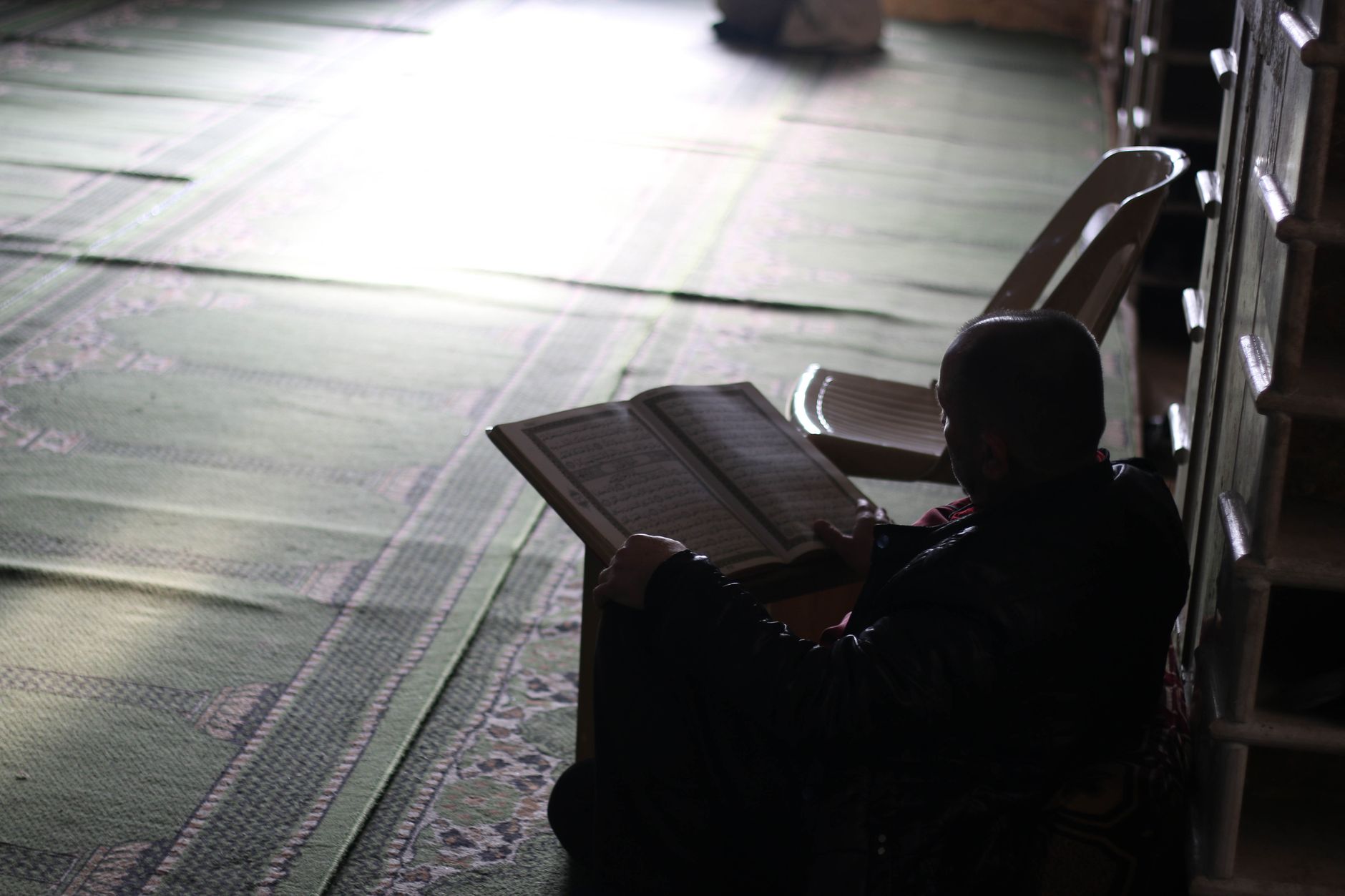
Those who struggled to follow the rules of Islam will find their path illuminated by their light. May Allah make us among those who cross safely.

The Final Destination of Humanity
The final phase of the events of the Day of Judgment is the entry into the eternal abode. Believers who pass the Sirat will find themselves at the gates of Paradise.
They will be greeted by angels and enter a place where they will live forever in peace. It is a reward for their patience and obedience to Prophet Muhammad ﷺ.
Conversely, those who rejected the truth and persisted in sin will be directed toward Hell. This outcome is final and represents the end of the journey.
We must prepare for this day by reflecting on our daily habits and intentions. Every moment is an opportunity to earn a better place in the hereafter.
Conclusion
The events of the Day of Judgment serve as a powerful reminder of our purpose. We are here to worship Allah and to strive for His pleasure through our actions.
Reflecting on these events should not cause despair, but rather motivate us to improve. Focus on performing your prayers, being honest, and seeking forgiveness for your shortcomings.
“The most beloved of deeds to Allah are those that are most consistent, even if they are few.”
Reference:
Sahih al-Bukhari 6465
By keeping our focus on the afterlife, we can navigate the challenges of this world with patience and hope. May Allah grant us a favorable reckoning and admit us into His vast mercy.
Frequently Asked Questions
Can we know when the Day of Judgment will happen?
No, the timing of the Day of Judgment is known only to Allah. Even Prophet Muhammad ﷺ was not given knowledge of its exact date. We are instructed to focus on preparing for it rather than guessing when it will occur.
Will we remember our earthly life on that day?
Yes, on the Day of Judgment, every person will vividly remember their actions, words, and intentions from their life on earth. Nothing will be hidden, and the records provided by the angels will serve as a complete account of our time in this world.
How can a believer prepare for these events?
A believer prepares by fulfilling the obligations set by Allah, such as the five daily prayers, and by avoiding what He has forbidden. Seeking sincere repentance, maintaining good character, and following the example of Prophet Muhammad ﷺ are the best ways to ensure a successful outcome on that day.