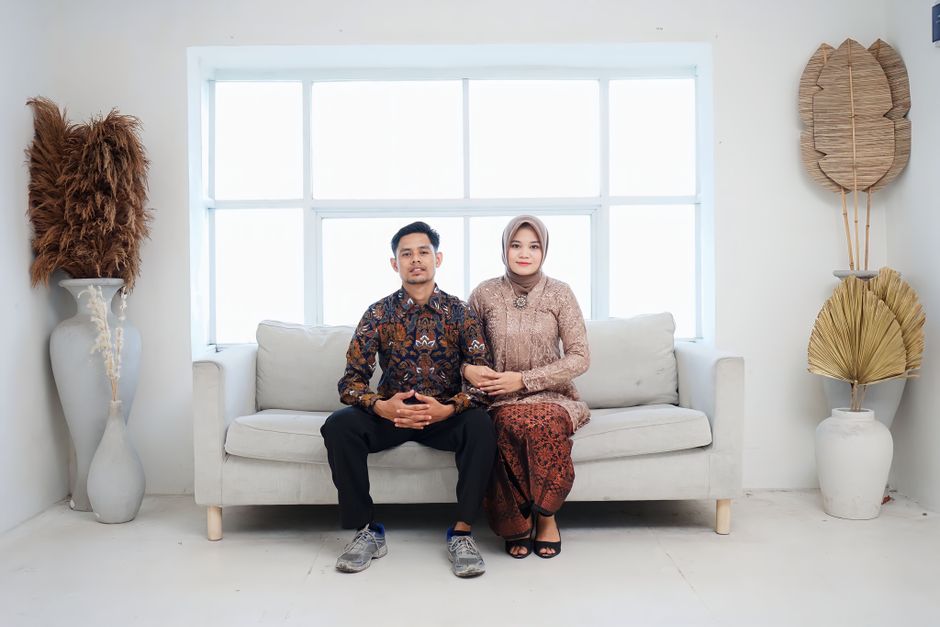
Building a Foundation of Faith at Home
Raising Muslim children requires a dedicated focus on the heart and the home environment. Parents serve as the primary teachers of faith, shaping a child’s understanding of Allah from their earliest years.
By prioritizing the teachings of the Quran and the Sunnah, you create a spiritual atmosphere that naturally nurtures a child’s love for their Creator. This journey begins with your own actions and consistent sincerity in worship.
Authentic Islamic education is not just about memorization; it is about living the values every day. When children see their parents practicing what causes Iman to increase and decrease, they learn by observation and imitation.
The Importance of Consistency in Worship
Consistency is the secret to establishing a firm religious identity in your home. Establishing the five daily prayers as a family serves as the anchor for your children’s daily routine.
Prophet Muhammad ﷺ emphasized the importance of training children in prayer from a young age. This practice builds a lifelong connection between the child and their Lord.
“Command your children to pray when they become seven years old, and beat them for it (if they do not pray) when they become ten years old; and arrange their beds (separately).”
Reference:
Sunan Abi Dawud 495
When you pray together, explain the meaning of the words and the purpose of the movements. This makes the worship meaningful rather than just a mechanical habit.
Encourage your children to participate in local common mistakes Muslims make during wudu discussions, ensuring they understand the purity required for prayer. Keeping these moments positive and encouraging helps them look forward to their time with Allah.

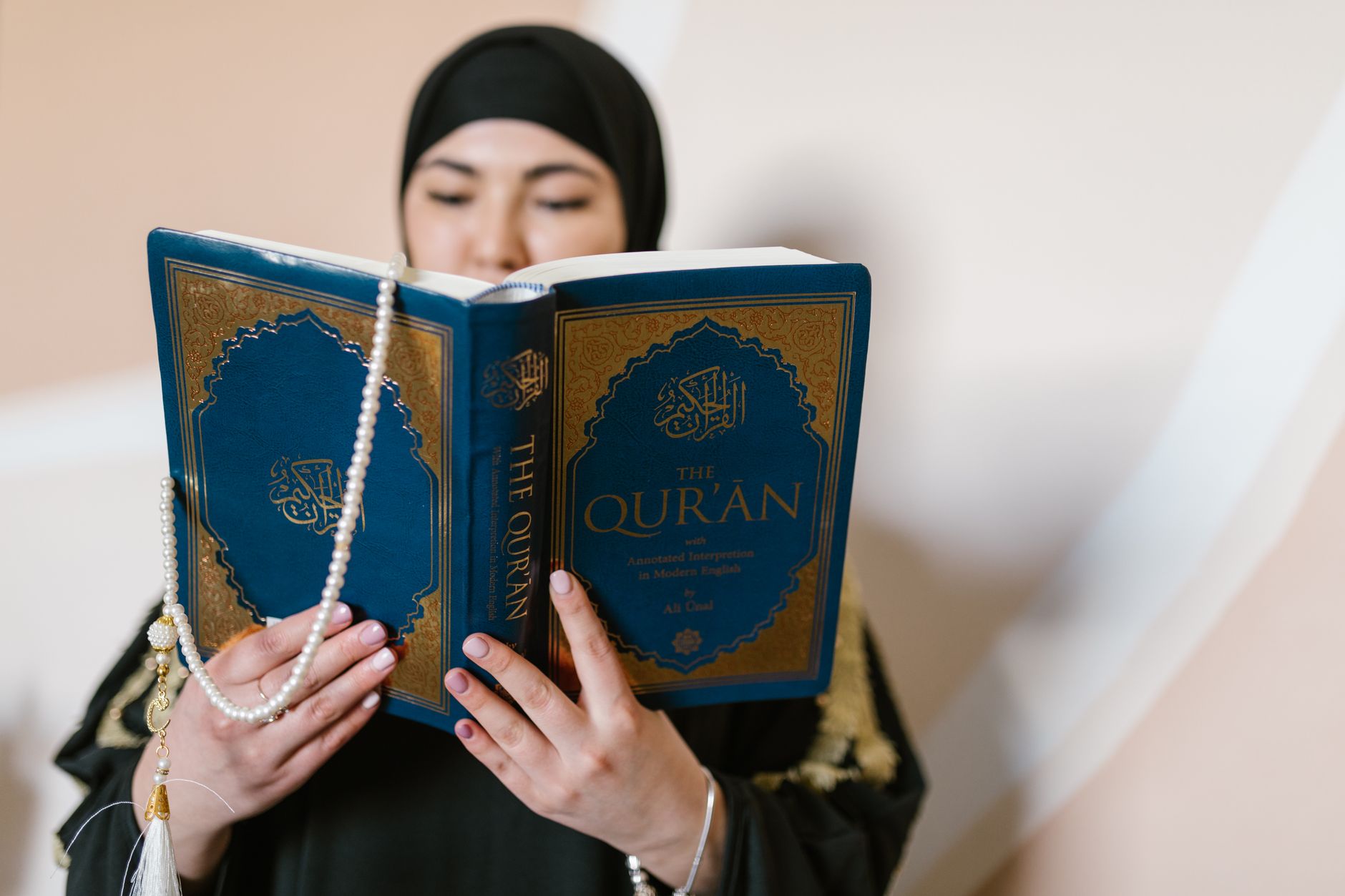
Nurturing Good Character Through Example
Modeling behavior when raising Muslim children
Children are perceptive observers of their parents’ character. The way you speak to your spouse, neighbors, and strangers teaches them more than any lecture ever could.
If you want your children to be honest, you must show honesty in your business and personal dealings. Islam teaches us that being truthful is a path to righteousness.
“O you who have believed, fear Allah and be with those who are true.”
Reference:
Quran 9:119
Show your children how to handle frustration with patience and how to seek forgiveness when they make mistakes. Admitting your own faults to your children teaches them humility and integrity.
This approach helps them understand that being Muslim is about continuous growth and constant repentance. It fosters a safe environment where they feel comfortable discussing their challenges and seeking guidance.
Teaching the Quran and Islamic Knowledge
Integrating the Quran into daily life is essential for a child’s spiritual development. Start by reading simple stories from the Quran to help them connect with the history of the Prophets.
Encourage them to memorize short Surahs and understand their meanings. This builds a strong bond with the words of Allah from a young age.
Learning about the life of Prophet Muhammad ﷺ is also vital for character building. Studying his compassion and wisdom provides a perfect blueprint for how to live as a Muslim in the modern world.
Make learning a joyous experience rather than a burden. Use books, stories, and discussions to explore the rich history of Islam and the lives of the Companions.
When children understand the purpose of their life, they are better equipped to navigate the difficulties of growing up. This educational foundation is far more effective than generic advice.

Encouraging Healthy Social Circles
The company a child keeps plays a significant role in their moral development. Creating opportunities for your children to spend time with other righteous youth is a key part of parenting.
Community events and gatherings at the local masjid provide safe spaces for children to make friends who share their values. This social support is invaluable for their confidence.
Help your children understand why choosing good friends is a command from Allah. A good companion is like a person carrying perfume, who will leave you with a pleasant scent.
“The example of a good companion and a bad companion is like that of the seller of musk and the blower of the bellows (iron-smith).”
Reference:
Sahih al-Bukhari 5534
When children understand the influence of their peers, they are better prepared to make wise decisions. Teach them to be leaders in character rather than followers of trends.
In addition, ensure your home remains a place where they feel proud of their identity. Discuss current events or challenges they face, and always refer back to the guidance of the Quran.
“And those who say, ‘Our Lord, grant us from among our wives and offspring comfort to our eyes and make us an example for the righteous.'”
Reference:
Quran 25:74
By helping them build a strong identity, you empower them to face the world with confidence in their faith. You can also explore how to avoid wasting time with your children to ensure their schedule remains balanced and productive.
Conclusion
Raising Muslim children is a noble responsibility that requires patience, prayer, and consistent effort. By grounding your home in the teachings of the Quran and the Sunnah, you provide your children with the best tools to navigate life.
Focus on building a loving relationship with them, where they feel safe to ask questions about their faith. When you prioritize their spiritual health alongside their worldly success, you are investing in their eternal future.
May Allah guide us all in raising Muslim children who are a source of comfort to our eyes and a benefit to the entire Ummah. Keep turning to Allah for help, as He is the source of all guidance and strength.
Frequently Asked Questions
How can I make learning about Islam fun for my children?
Focus on storytelling, creative activities, and active participation. Visit the masjid together, engage in community service, and celebrate Islamic milestones. When learning feels like an adventure rather than a chore, children naturally become more interested in their faith. Always connect their daily experiences back to the teachings of Prophet Muhammad ﷺ to make the lessons feel real and relevant.
What should I do if my child resists practicing Islamic values?
Approach them with patience and gentle dialogue instead of force. Understand the root of their resistance, which may stem from confusion or social pressure. Maintain your own consistent practice as an example, and continue making dua for their guidance. Building a foundation of trust allows your children to open up about their struggles, which is the first step toward finding a solution.
How do I protect my children from negative external influences?
Open communication is your best defense. Discuss the challenges they face at school or online, and provide them with the Islamic perspective on these topics. Strengthen their identity by spending quality time together and involving them in a supportive community. When children feel secure and proud of their faith, they are much better equipped to handle outside influences with wisdom and grace.