

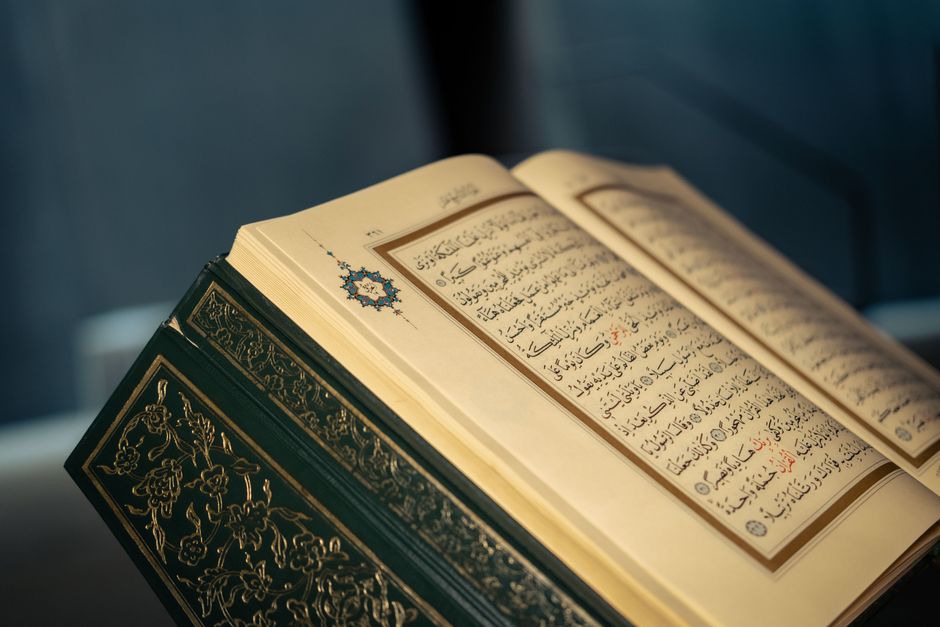
Understanding the Power of Surah Al-Falaq and An-Nas
The Quran serves as a source of healing and mercy for the believers. Among its most beloved chapters are Surah Al-Falaq and An-Nas, which are known as the Mu’awwidhatayn. These two chapters provide a shield of spiritual protection taught in Surah Al-Falaq and An-Nas for every Muslim. By reciting them, we turn directly to Allah for safety from all types of harm.
Many Muslims seek ways to guard themselves against unseen dangers and negative influences. These chapters are not just simple prayers but are divine instructions for seeking refuge. Understanding their meaning helps us connect more deeply with our faith and reliance on the Creator.
The Significance of Seeking Refuge in Allah
Seeking refuge in Allah is a fundamental act of worship. It shows that we recognize our own weakness and the absolute power of our Lord. When we recite Surah Al-Falaq and An-Nas, we acknowledge that Allah alone can protect us from the trials of this world.
The Prophet Muhammad ﷺ taught his companions the value of these chapters. He emphasized that nothing compares to them for seeking protection. By turning to Allah, we find peace in our hearts and security in our daily lives.
“The Messenger of Allah ﷺ used to seek refuge from the jinn and the evil eye of humans until the Mu’awwidhatayn were revealed. When they were revealed, he took to them and left everything else.”
Reference:
Jami` at-Tirmidhi 2058
This shows that these verses are unique in their ability to shield the believer. We should prioritize them in our daily routines to maintain a strong spiritual connection. Regularly reciting these chapters helps us remain mindful of Allah’s presence at all times.
Reflecting on the Meaning of Surah Al-Falaq
Surah Al-Falaq focuses on seeking refuge from external harms. It asks for protection from the darkness, the evil of those who practice magic, and the envy of the jealous. This chapter reminds us that Allah is the Lord of the daybreak who can dispel any darkness.
When we face external challenges, reciting this surah helps us stay grounded. It teaches us that no creation has the power to harm us without the permission of Allah. This mindset reduces fear and increases our trust in the divine plan.
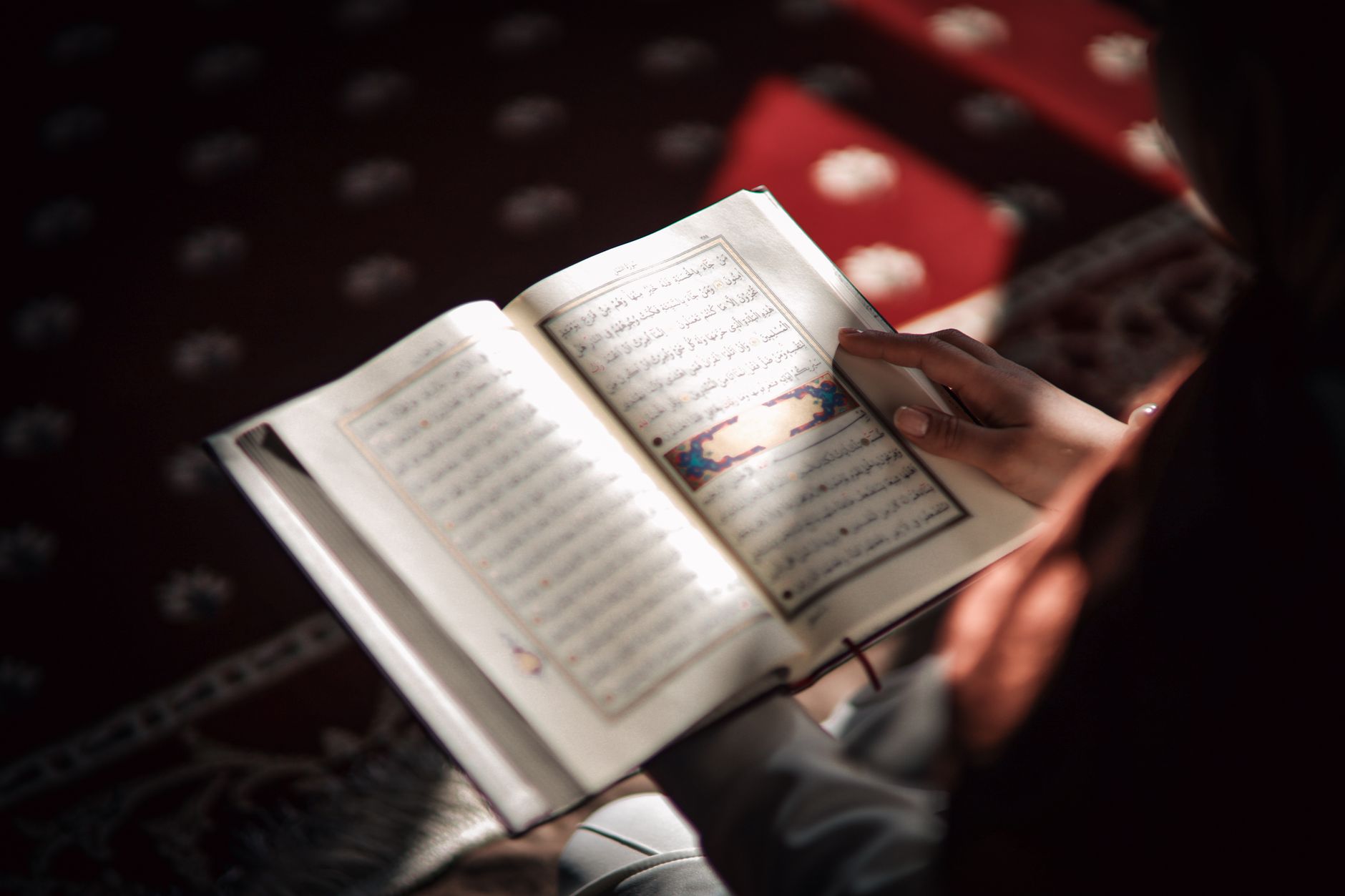
Envy is a common human emotion that can cause pain to others. By seeking refuge from the envier, we protect our own hearts and the blessings we have received. It is a practical way to maintain a positive and grateful outlook on life.
If you are interested in deepening your knowledge, you may also want to read about The Significance of the Day of Arafah to understand other moments of spiritual growth. Every chapter of the Quran offers a unique path to draw closer to the Almighty.
The Protection Taught in Surah Al-Falaq and An-Nas Against Whisperings
Surah An-Nas specifically addresses internal struggles and the whisperings of the Shaytan. It asks for protection from the hidden whispers that influence our thoughts and actions. This is essential for maintaining our character and faith.
The Surah combo works perfectly to cover both internal and external threats. While Al-Falaq deals with the outside world, An-Nas focuses on the whispers that enter our minds. Together, they provide a complete circle of safety for the believer.
“Say, ‘I seek refuge in the Lord of mankind, the Sovereign of mankind, the God of mankind, from the evil of the retreating whisperer – who whispers [evil] into the breasts of mankind – from among the jinn and mankind.'”
Reference:
Quran 114:1-6
We often face moments of doubt or negative thoughts. By reciting this surah, we ask Allah to clear our minds and keep us on the straight path. It is a powerful reminder that we are never alone in our struggles against temptation.
To learn more about maintaining purity in our actions, check out How to Perform Wudu Step by Step, which is another way to prepare ourselves for prayer. Physical cleanliness often mirrors the internal peace we seek through the Quran.
Incorporating These Verses into Your Daily Routine
Consistency is key when it comes to spiritual protection. The Prophet Muhammad ﷺ recommended reciting these chapters after every obligatory prayer. This simple act keeps us under the protection of Allah throughout the day.
Another excellent time to recite them is before going to sleep. By reading them and blowing into your hands to wipe over your body, you follow a beautiful Sunnah. This practice ensures that your rest is peaceful and protected.
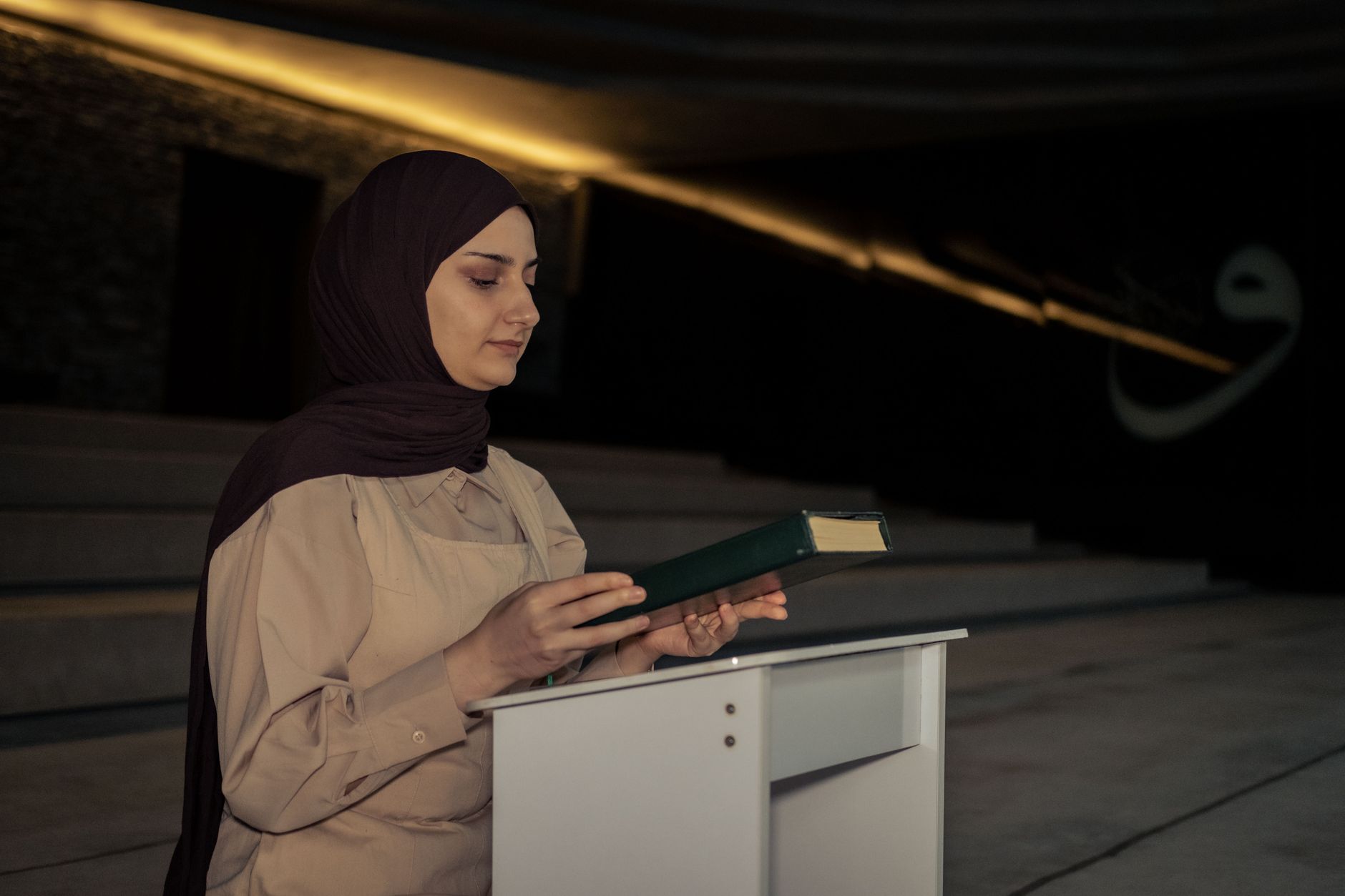
You can also teach these surahs to your children at a young age. Helping them understand the importance of seeking refuge will build a strong foundation for their future. It is a gift of knowledge that lasts a lifetime.
As you grow in your practice, you might find interest in reading about The Meaning of La Ilaha Illallah to strengthen your core beliefs. Everything in our religion is interconnected and designed to lead us toward goodness.
“And your Lord says, ‘Call upon Me; I will respond to you.'”
Reference:
Quran 40:60
Remember that your intention and sincerity matter most when reciting these verses. Speak the words clearly and reflect on their meaning as you pray. Your devotion will surely be rewarded by Allah, the Protector of all.
Conclusion
The protection taught in Surah Al-Falaq and An-Nas is a true blessing for the Muslim community. These two short chapters provide a comprehensive shield against the various challenges we face in our daily lives. By turning to Allah with sincerity, we find the strength to overcome both external harm and internal doubts.
Make it a habit to recite these verses consistently, especially in your morning and evening adhkhar. This simple practice will bring immense peace to your heart and keep you mindful of your reliance on Allah. May we all benefit from the guidance and protection found within these beautiful words of the Quran.
Frequently Asked Questions
Can I recite these surahs for someone else?
Yes, you can recite these surahs for others as a form of Ruqyah. The Prophet Muhammad ﷺ used these chapters to seek protection for himself and others. Reciting them over someone who is unwell or distressed is an authentic practice that brings hope and healing by the permission of Allah.
How many times should I recite these surahs?
It is recommended to recite these surahs three times each in the morning and in the evening. Additionally, reciting them once after every obligatory prayer is a Sunnah of the Prophet Muhammad ﷺ. You may also recite them as often as you feel the need to seek comfort and protection.
Do I need wudu to recite these chapters?
You do not need to have wudu to recite the Quran from memory or to make dua. However, it is always better to be in a state of purity when engaging with the words of Allah. Maintaining wudu is a sign of respect and shows your sincere intention to connect with the Creator.