

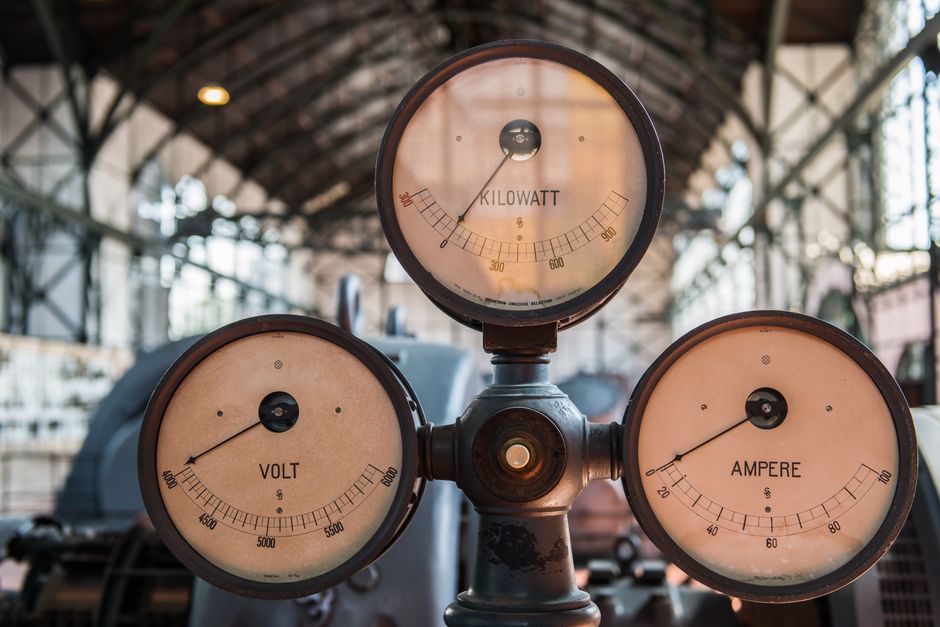
Understanding the Divine Measurement
Every Muslim believes that our life on earth is a test. We are accountable for every action, word, and intention. On the Day of Judgment, Allah will establish the scales of deeds in Islam to measure our efforts. This process is a fundamental part of our faith in the Hereafter.
The concept of the Mizan, or the scale, serves as a reminder of divine justice. Nothing is too small or insignificant to be overlooked by our Creator. Understanding this reality encourages us to focus on quality and sincerity in our daily worship and character.
The Reality of the Scales of Deeds in Islam
The Quran explicitly mentions that the weighing process is absolute truth. Allah does not need to use a scale to know our deeds, as He is All-Knowing. However, the Mizan is established to show His justice to all of creation.
“And the weighing [of deeds] that Day will be the truth. So those whose scales are heavy [with good] – it is they who will be the successful.”
Reference:
Quran 7:8
This verse highlights that success depends on having heavy scales filled with good deeds. Our goal is to ensure our actions are aligned with the teachings of Prophet Muhammad ﷺ. When we follow his guidance, we increase the weight of our good deeds.
Actions That Make the Scales Heavy
Some deeds carry immense weight in the eyes of Allah. We should prioritize these actions to ensure our scales of deeds in Islam are balanced in our favor. Prophet Muhammad ﷺ taught us that simple words can have a profound impact on our account.
The Weight of Good Character
Good character is among the heaviest things on the scale. Being kind, honest, and patient with others reflects a heart that fears Allah. The Importance of Keeping Promises is a great example of a trait that pleases Allah and adds weight to our good deeds.
Another powerful action is the remembrance of Allah, known as Dhikr. Uttering phrases that glorify Allah is easy for the tongue but very heavy on the scale. We should try to keep our tongues moist with the remembrance of our Creator throughout the day.

The Role of Sincerity in Our Actions
Good deeds are only accepted if they are done with sincerity. If we do something for the sake of showing off, it loses its value. Our actions must be performed solely for the pleasure of Allah, not for the praise of people.
Prophet Muhammad ﷺ emphasized that intentions are the foundation of our deeds. Before starting any act of worship, we should check our hearts. Are we doing this to please Allah, or are we seeking worldly recognition?
“Actions are only by intentions, and every man shall have only what he intended.”
Reference:
Sahih al-Bukhari 1
Sincerity acts as the fuel for our good deeds. Without it, our efforts might be light on the scale. We must constantly purify our intentions to ensure our worship is valid and meaningful.
Preparing for the Final Account
We do not know when our time will come, so we must be prepared. Preparing for the hereafter involves constant self-reflection and repentance. If we realize we have committed a mistake, we should seek forgiveness immediately to lighten the burden of our sins.
Engaging in consistent acts of worship helps us stay on the right path. How to Build a Daily Quran Reading Habit is one way to ensure we remain connected to Allah’s guidance. Regular Quran reading provides us with the knowledge needed to live a life that pleases our Creator.
We should also be mindful of our treatment of others. Hurting others or taking their rights can lead to a heavy burden of bad deeds. By maintaining good relations, we protect ourselves from losing the rewards of our hard work.
The Justice of Allah on the Day of Judgment
The scales of deeds in Islam represent the ultimate justice of Allah. No one will be wronged on that day. Even the smallest atom of good will be accounted for, and the smallest atom of evil will be seen.
Prophet Muhammad ﷺ taught us that we should fear the Fire, even if it is by giving half a date in charity. This reminds us that no good deed is too small to neglect. We should seize every opportunity to do good, no matter how minor it seems.
“So whoever does an atom’s weight of good will see it. And whoever does an atom’s weight of evil will see it.”
Reference:
Quran 99:7-8
This reality should motivate us to be consistent. We never know which deed might be the one that tips our scales toward Jannah. By focusing on constant, small acts of goodness, we build a strong foundation for our eternal home.
Conclusion
The scales of deeds in Islam are a reminder of the seriousness of our life. Every choice we make carries weight in the final balance. By focusing on sincerity, good character, and constant repentance, we prepare ourselves for the ultimate meeting with Allah.
Take this knowledge as a call to action. Review your daily habits and see where you can improve your deeds. How to Practice Gratitude Every Day is another way to increase your good deeds through a thankful heart. May Allah make our scales heavy with good and grant us success on the Day of Judgment.
Frequently Asked Questions
What exactly are the scales of deeds in Islam?
The scales refer to the Mizan, which Allah will establish on the Day of Judgment to weigh the actions of His servants. It is a manifestation of His perfect justice, ensuring that every good and bad deed is accounted for before the final verdict is given regarding one’s eternal destination.
Will our bad deeds cancel out our good deeds?
The weighing process involves comparing one’s good deeds against their bad deeds. However, Allah is merciful and may forgive those who sincerely repent. The weight of one’s actions will determine the outcome. The focus for a believer should always be on maximizing good deeds and avoiding sins to ensure the scales are heavy with goodness.
How can I ensure my deeds are heavy on the scale?
You can ensure your deeds are heavy by performing acts that are beloved to Allah, such as regular prayer, charity, and dhikr. Sincerity of intention is the most important factor, as deeds done solely for the sake of Allah carry the most weight. Always follow the Sunnah of Prophet Muhammad ﷺ to ensure your actions are in accordance with his teachings.