













The Status of Children in Islam
Children are a precious gift from Allah and a major responsibility for parents. Understanding the rights of children in Islam helps families create a nurturing environment for growth.
Islam views children as a trust, or amanah, placed in the care of their parents. Protecting their well-being is a core duty that brings immense reward.
When parents fulfill these obligations, they build a strong foundation for the future of the Muslim community. Every child deserves love, guidance, and security from birth.
The Right to Life and Lineage
The most fundamental right every child possesses is the right to life. Islam strictly prohibits harming children or denying them their existence for any reason.
Furthermore, children have a right to know their lineage. Knowing one’s parents and ancestry is essential for identity and maintaining family ties.
“And do not kill your children for fear of poverty. We provide for them and for you. Indeed, their killing is ever a great sin.”
Reference:
Quran 17:31
This verse highlights the importance of trusting in Allah’s provision. It serves as a strong warning against any practice that harms the sanctity of a child’s life.
Parents should remember that every soul is a creation of Allah. Respecting this life is a direct form of worship.
Nurturing Faith and Education

Parents have a duty to teach their children about faith and good character. Providing a proper Islamic education is among the most vital rights of children in Islam.
This involves teaching them about Allah, the Quran, and the life of Prophet Muhammad ﷺ. Early education shapes their worldview and moral compass for adulthood.
Prioritizing the rights of children in Islam
Beyond formal lessons, children learn through observation. Parents who demonstrate kindness and patience teach their children the beauty of Islamic values.
You can learn more about the importance of seeking beneficial knowledge to understand how to guide your children effectively. Knowledge is a light that stays with them throughout their lives.
If you need advice on fostering a loving home, look at how to deal with difficult relatives in Islam to maintain family peace.
Kindness and Compassion
Prophet Muhammad ﷺ showed deep love and affection for children. He often played with them and treated them with great respect.
His example teaches us that children need emotional support to thrive. A home filled with mercy and play helps children develop confidence and security.
“He is not one of us who does not show mercy to our little ones and respect our elders.”
Reference:
Jami` at-Tirmidhi 1919
This hadith reminds us that mercy toward children is a mark of true faith. We should listen to their concerns and validate their feelings.
When children feel valued, they are more likely to grow into healthy adults. Kindness is a language that every child understands perfectly.
Fair Treatment and Provision
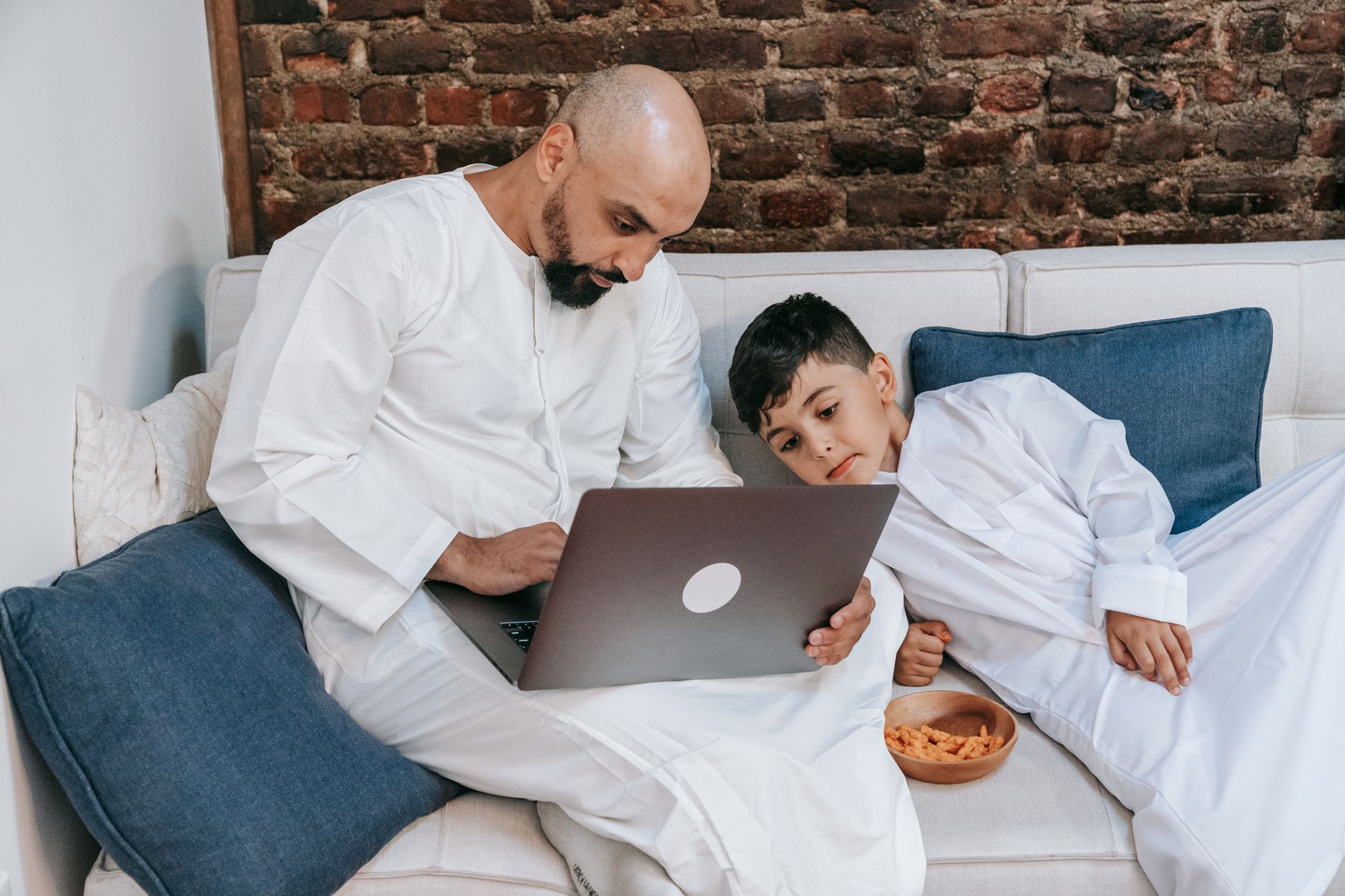
Parents must treat their children with justice and fairness. Providing for their physical needs, such as food, clothing, and shelter, is a mandatory duty.
This fairness also extends to emotional attention and gifts. Giving one child preference over another without a valid reason can lead to resentment.
Prophet Muhammad ﷺ emphasized the importance of being equitable with our offspring. He encouraged parents to fear Allah and treat all children with equal love.
“Fear Allah and be just to your children.”
Reference:
Sahih Muslim 1623d
Providing for their future also includes preparing them for their responsibilities. Fairness in daily life creates a bond of trust between parents and children.
If you want to reflect on your own spiritual growth as a parent, read what causes Iman to increase and decrease to stay grounded.
Conclusion
Upholding the rights of children in Islam is a path toward earning the pleasure of Allah. Parents who prioritize these rights contribute to a healthy society.
By providing love, education, and fair treatment, we honor the trust Allah has placed in us. Every effort to raise children with mercy reflects the teachings of Prophet Muhammad ﷺ.
Make it a priority to spend quality time with your children today. Listen to them, teach them with patience, and pray for their success in this world and the hereafter.
Frequently Asked Questions
What is the most important right of a child?
The most important right is the right to life and to be brought up in a safe environment. This includes their spiritual development, where parents are responsible for teaching them about Allah and the Sunnah of Prophet Muhammad ﷺ. Ensuring their physical safety and emotional security is also a primary duty for every parent.
How should parents handle sibling rivalry?
Parents should practice justice and fairness, as taught by Prophet Muhammad ﷺ. Avoid showing favoritism, which can cause jealousy and resentment. Instead, spend individual time with each child to make them feel special. Teach them to resolve conflicts through communication and kindness rather than competition or fighting.
Are children responsible for their own actions?
Children are not held accountable for their deeds until they reach the age of puberty. Before this, they are learning and developing. Parents are responsible for guiding them during these formative years. As they grow, parents should gradually teach them about their own responsibilities and the importance of good character.