


The Difficult Context of the Year of Sorrow
The Year of Sorrow marks one of the most challenging periods in the life of Prophet Muhammad ﷺ. This title refers to a specific year in the tenth year of his mission in Makkah. During this time, the Prophet Muhammad ﷺ suffered the loss of his beloved wife, Khadija bint Khuwaylid and his supportive uncle, Abu Talib.
These two individuals were his strongest pillars of support. Khadija was the first to believe in him and provided constant emotional and financial backing. Abu Talib, despite not accepting Islam, protected Prophet Muhammad ﷺ from the harsh persecution of the Quraish tribe.
Losing both in such a short span left the Prophet Muhammad ﷺ in a state of deep grief. This period in the Seerah of the Prophet Muhammad ﷺ shows how he handled personal tragedy while carrying the burden of his message. For those seeking to strengthen their faith during hard times, his reaction serves as a timeless example.
The Loss of Khadija and Abu Talib
The death of Khadija was a profound blow to the heart of Prophet Muhammad ﷺ. She was his companion, his confidante and the mother of his children. Her passing occurred just a short time after the end of the social boycott against the Muslims.
Shortly after, his uncle Abu Talib also passed away. His death removed the political and social protection that had shielded the Prophet Muhammad ﷺ from the physical harm of the Quraish leaders. The loss of these two people made his mission in Makkah significantly more dangerous.
The Prophet Muhammad ﷺ felt the weight of these losses deeply. It is a reminder that even the most righteous people experience intense human sorrow. He showed us that feeling pain is natural, but maintaining patience is an act of worship.
Seeking Solace During the Year of Sorrow
Facing extreme hostility in Makkah, the Prophet Muhammad ﷺ traveled to the city of Ta’if. He hoped to find people who would accept his message and offer support. Unfortunately, the leaders of Ta’if rejected him and encouraged their people to mock him.
They pelted him with stones until his feet bled. Even in this moment of physical and emotional pain, the Prophet Muhammad ﷺ turned to Allah with a sincere supplication. He asked for the strength to continue his work despite the rejection.
This journey defines the true meaning of the Year of Sorrow. It was not just about the losses he faced, but about his persistence in conveying the message of truth. He chose to rely on Allah when all worldly support systems seemed to vanish.

Finding Strength in the Quran
During the most testing phases of the Year of Sorrow, the Prophet Muhammad ﷺ found comfort in the guidance of Allah. The Quran served as a source of light for his heart when the world around him felt dark. It reminded him that every difficulty is temporary.
“For indeed, with hardship [will be] ease.”
Reference:
Quran 94:5
This verse provided him with the perspective needed to keep moving forward. It teaches believers that struggle is often a gateway to relief. When we face our own personal trials, we should similarly look toward the words of Allah for clarity and peace.
The Prophet Muhammad ﷺ never let his grief stop his mission. He maintained his character and his focus on the ultimate goal of calling people to the oneness of Allah. His courage and unwavering commitment remained evident throughout this entire period.
Lessons for Every Believer
The Year of Sorrow teaches us that life on earth is filled with cycles of joy and pain. No one is exempt from testing, not even the chosen Prophet Muhammad ﷺ. However, the difference lies in how one responds to these tests.
“The Prophet Muhammad ﷺ said: If Allah intends good for someone, He inflicts him with trials.”
Reference:
Sahih al-Bukhari 5645
We learn that patience is not the absence of pain, but the presence of trust in Allah. We must continue to perform our duties even when our hearts are heavy. By following the example of Prophet Muhammad ﷺ, we learn to balance our human emotions with our spiritual obligations.
When you feel overwhelmed, remember the Year of Sorrow. It shows that even the most difficult chapters eventually come to an end. Keep your intentions pure and your connection with Allah strong, just as he did.
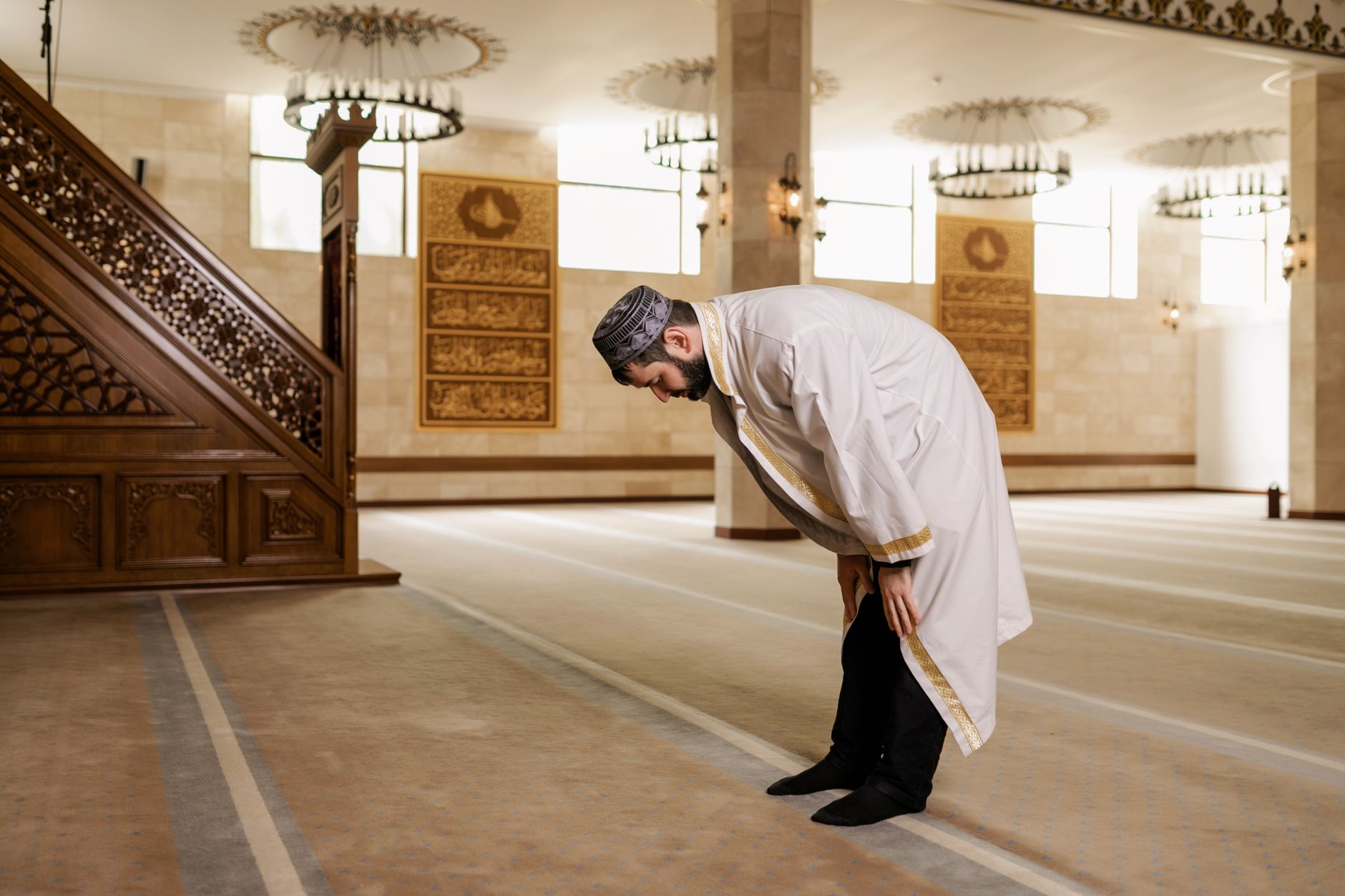
Practical Steps for Coping with Grief
Muslims can apply the lessons from this period to their own lives. First, acknowledge your feelings while keeping your tongue in check. The Prophet Muhammad ﷺ cried when he lost his son, showing that grief is a human emotion permitted in Islam.
“The eyes are shedding tears and the heart is grieved, but we will not say except what pleases our Lord.”
Reference:
Sahih al-Bukhari 1303
Second, seek support from your community. The Prophet Muhammad ﷺ maintained connections with his companions even during his hardest years. Third, focus on your daily acts of worship to keep your heart grounded.
Finally, remember that Allah is aware of every tear and every struggle. He is the ultimate source of comfort for those who turn to Him. Just as Allah comforted the Prophet Muhammad ﷺ after the Year of Sorrow, He will provide relief to those who remain patient.
Reflecting on the Divine Wisdom
The Year of Sorrow was followed by the miraculous journey of Isra and Mi’raj. This event elevated the status of Prophet Muhammad ﷺ and served as a divine honor after a year of intense hardship. It demonstrates that Allah rewards those who remain steadfast through their trials.
“Indeed, Allah is with the patient.”
Reference:
Quran 2:153
This historical transition reminds us that our current situations do not define our eternal future. We should look at our lives through the lens of faith and hope. By studying the life of Prophet Muhammad ﷺ, we gain the tools to navigate any storm.
The legacy of this year is one of resilience and hope. It invites every Muslim to reflect on their own relationship with adversity. When you face your own “year of sorrow,” let the patience of the Prophet Muhammad ﷺ be your guiding light.
Frequently Asked Questions
Why is it called the Year of Sorrow?
It is called the Year of Sorrow because Prophet Muhammad ﷺ lost his wife, Khadija, and his uncle, Abu Talib, in the same year. These two individuals were his primary sources of emotional and social protection. Their deaths left him in a state of deep grief and increased the hostility he faced from the leaders of the Quraish tribe in Makkah.
How did the Prophet Muhammad ﷺ handle this grief?
The Prophet Muhammad ﷺ displayed perfect patience and trust in Allah during this time. He continued to convey his message despite the extreme personal losses and the rejection he faced in Ta’if. He turned to Allah through prayer and remained focused on his responsibility to the Ummah, showing us that true faith involves continuing our duties even during times of deep sadness.
What did this year teach the early Muslims?
The Year of Sorrow taught the early Muslims that trial is a part of the path of faith. It demonstrated that even the most beloved servant of Allah experiences hardship. This period served to build the resilience of the companions and showed them that Allah provides comfort after every struggle, ultimately leading to the success of the mission of Islam.