


The Beginning of the Human Journey
The story of human existence starts with the creation of the first man. Allah created Prophet Adam and granted him a high status among all of creation. This history teaches us that being human involves making mistakes and seeking forgiveness from our Creator.
The repentance of Prophet Adam serves as a vital lesson for every Muslim living today. It shows that returning to Allah is the most noble act a person can perform. By understanding this event, we learn that Allah is always ready to accept our sincere return to Him.
Many people feel discouraged by their sins, but this story provides hope and clarity. Through the example of our father Adam, we see that mistakes do not define us. Instead, how we respond to those mistakes determines our path toward Allah’s pleasure and eternal grace.
The Mistake and the Call to Return
Allah commanded Prophet Adam and his wife to dwell in Paradise and enjoy its bounties. However, they were instructed not to approach a specific tree. Unfortunately, they were misled, and they ate from the tree, which caused them to lose their status in that blessed place.
This event was not a sign of rebellion but a human error born of forgetfulness. Allah, in His perfect wisdom, had already decreed this sequence of events to begin life on Earth. When they realized their mistake, they felt deep regret and immediately sought a way to rectify their situation.
“They said, ‘Our Lord, we have wronged ourselves, and if You do not forgive us and have mercy upon us, we will surely be among the losers.'”
Reference:
Quran 7:23
Their prayer was a model of humility and total surrender. They did not make excuses for their actions or blame others for their choice. This act of taking responsibility is the core requirement for anyone seeking true forgiveness from their Lord.
Understanding the Repentance of Prophet Adam
The repentance of Prophet Adam was accepted because it was sincere and came from a place of pure heart. Allah taught him special words to invoke, which allowed him to return to a state of grace. This teaches us that Allah is the Most Merciful and loves those who turn to Him.
When we look at the patience of Prophet Ayyub during hardship, we see a parallel in how prophets handle trials. Like Adam, they trust in Allah’s wisdom during difficult times. This trust is the key to maintaining faith when life becomes overwhelming or confusing.
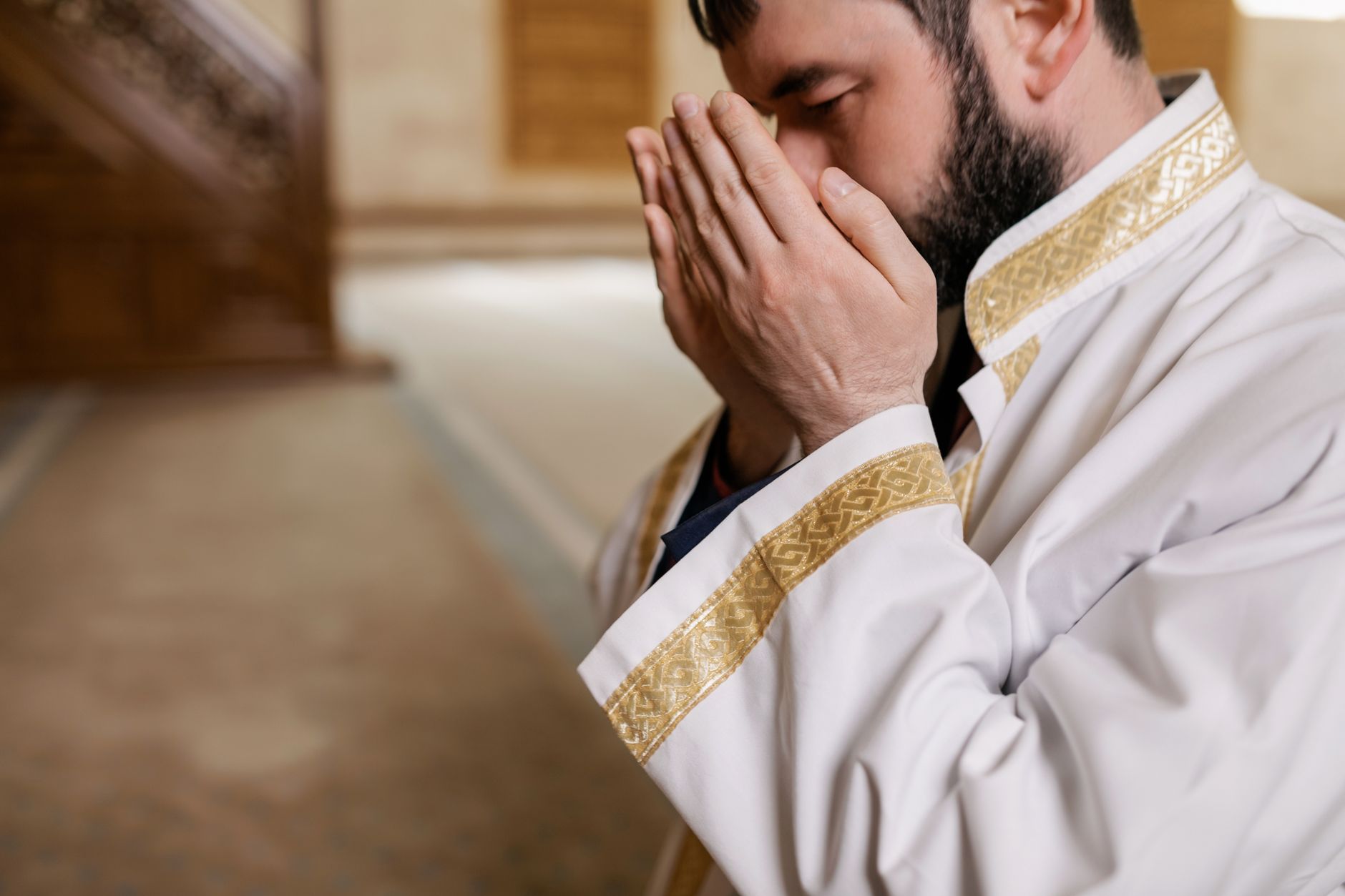
Prophet Adam did not let his mistake turn into despair. Instead, he used it as an opportunity to grow closer to his Creator. This is a vital lesson for us when we face our own failures. We must never allow guilt to stop us from praying or seeking the mercy that Allah has promised.
We should also remember the life of those who followed him, such as the birth and early life of Prophet Musa. Every prophet faced trials, and their stories are meant to guide us. By studying these accounts, we build a stronger connection to our faith and the history of Islam.
The Infinite Nature of Allah’s Mercy
Allah’s mercy is vast and encompasses all things in the heavens and the earth. The story of Adam proves that no sin is too great for the one who sincerely regrets his actions. Allah does not just forgive; He raises the status of those who repent to Him.
We must cultivate the the importance of humility in Islam to truly grasp this concept. Arrogance keeps a person from admitting their faults, but humility opens the door to forgiveness. When we are humble, we recognize our weakness and our need for Allah’s constant guidance.
“Allah is more pleased with the repentance of His servant than anyone of you is pleased with finding his camel which he had lost in the desert.”
Reference:
Sahih al-Bukhari 6309
This beautiful comparison reminds us that Allah desires our return to Him. He is not a distant judge waiting to punish, but a Merciful Lord waiting for us to ask for help. This knowledge should motivate us to be consistent in our daily prayers and remembrance of Him.
Applying Lessons to Our Daily Lives
Practicing the Repentance of Prophet Adam
To follow the example of Adam, we must first recognize our errors without delay. Waiting to repent only makes the heart harder and the distance from Allah greater. We should aim to turn back to Him every single day, as even the best of people make mistakes.
Another step is to make a firm resolve to change our behavior. Sincere repentance requires us to stop the action and replace it with good deeds. This active approach ensures that we are moving forward rather than staying stuck in our past mistakes.

Finally, we should keep hope alive in our hearts. Regardless of how many times we stumble, the door of mercy remains open until the very last moment. We should strive to be like the people who constantly seek goodness and remain committed to the path of the prophets.
“Indeed, Allah loves those who are constantly repentant and loves those who purify themselves.”
Reference:
Quran 2:222
Following the Path of the Prophets
The lives of the prophets are our greatest examples of how to live with purpose. When we reflect on these stories, we gain insight into human nature and the divine plan. Adam was the first, and his story sets the tone for all of humanity’s relationship with Allah.
We should also consider the teachings of Prophet Muhammad ﷺ regarding forgiveness. He taught us that every child of Adam is a sinner, but the best of them are those who repent. This Hadith bridges the gap between the first man and our own modern reality.
“All the sons of Adam are sinners, but the best of sinners are those who are repentant.”
Reference:
Jami` at-Tirmidhi 2499
By keeping these lessons in mind, we can navigate our lives with confidence. We do not need to be perfect to be loved by Allah. We only need to be sincere, persistent, and willing to ask for His forgiveness whenever we fall short of His commands.
Conclusion
The story of Adam provides a foundation for our spiritual lives. It teaches us that our mistakes do not have to be the end of our story. Through the repentance of Prophet Adam, we find a clear path to returning to Allah’s mercy and grace.
We must embrace this lesson by being quick to repent and slow to judge others. Always remember that Allah is the Most Merciful and that He hears every sincere whisper of a person seeking His forgiveness. May we all be among those who turn to Him with pure hearts and find His infinite compassion waiting for us.
Frequently Asked Questions
Why did Prophet Adam eat from the tree?
Prophet Adam was misled by whispers that appealed to his human nature. It was not an act of defiance, but a moment of forgetfulness regarding the command of Allah. This event was part of the divine plan to establish humanity on Earth, demonstrating that humans are prone to error and need to turn back to their Creator for guidance.
Is it possible for a person to be forgiven for any sin?
Yes, Allah’s mercy is greater than any sin a human can commit. As long as a person is alive and sincerely regrets their actions, they can seek forgiveness. The example of Adam shows that even after a significant mistake, one can be fully forgiven and raised in status by returning to Allah with a humble and repentant heart.
How do I know if my repentance is accepted?
Sincere repentance is shown through a change in behavior and a firm intention to avoid the sin in the future. If you feel regret, stop the action, and return to good deeds, you have done what is required. Trust in Allah’s promise that He loves those who repent and that He is always ready to accept those who turn to Him.