



Deepening Your Connection with the Quran
As the blessed month approaches, many Muslims wonder how they can truly prepare for Ramadan to gain the most benefit. One of the most effective ways is to increase your daily interaction with the Quran.
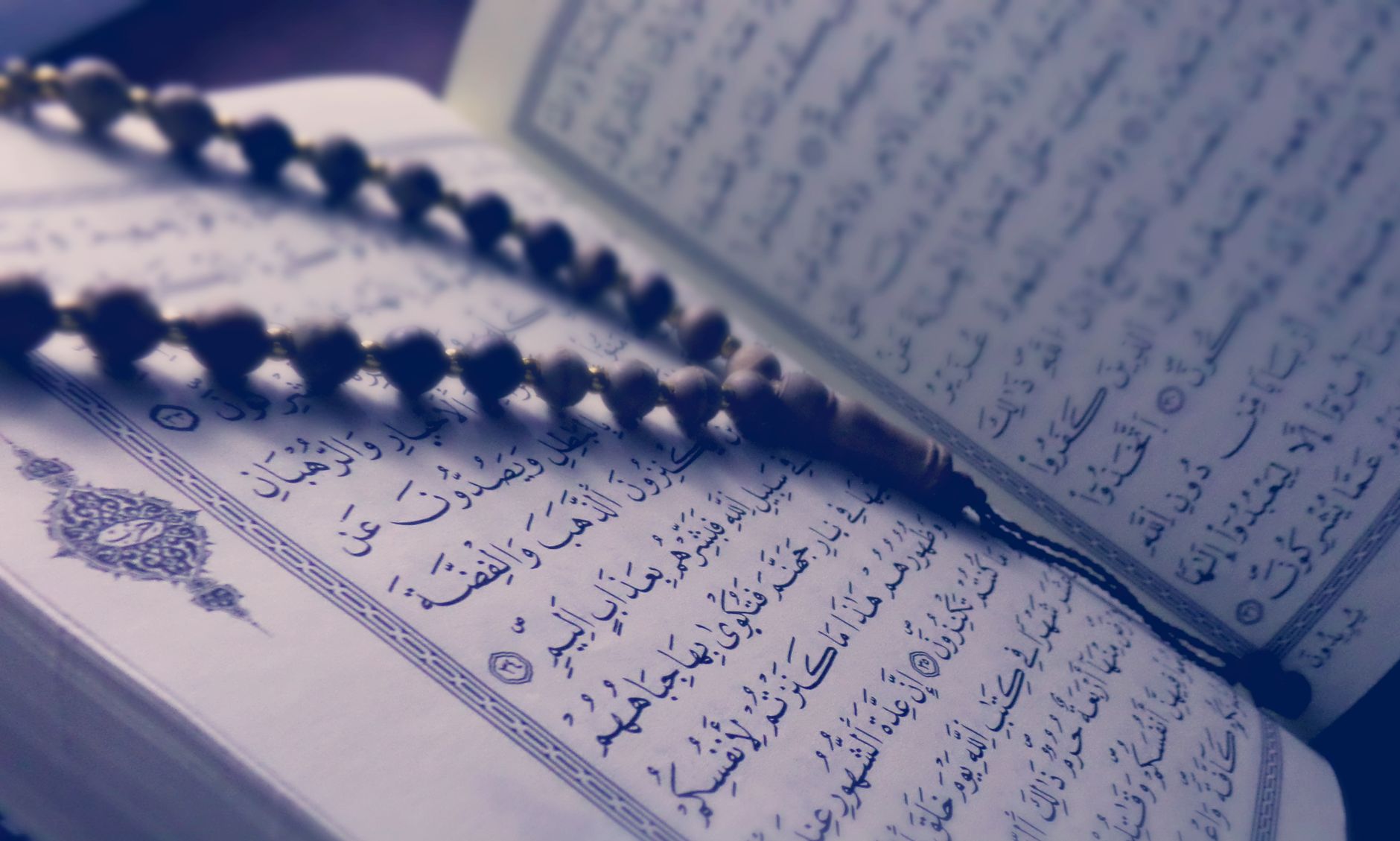
Do not wait until the first day of the month to begin reading. Instead, start building the habit of reciting a portion of the Quran every single day before the month begins.
This early start helps your heart become accustomed to the words of Allah. When you spend time with the Quran now, you will find it much easier to increase your recitation once the month starts.
Try to understand the meaning of what you recite as well. Reflecting on the verses allows the message to enter your heart and change your perspective on life.
“Indeed, this Quran guides to that which is most suitable and gives good tidings to the believers who do righteous deeds that they will have a great reward.”
Reference:
Quran 17:9
Refining Your Intentions and Seeking Repentance
Spiritual success starts with a sincere heart. To properly prepare for Ramadan, you must take time to evaluate your intentions for all your daily actions.
Ask yourself if you are doing things to please Allah or to seek praise from others. This process of self-correction is vital for a believer who wants to grow.
In addition, focus on making sincere repentance, or Tawbah, for your past mistakes. Clearing your heart of sins makes it more receptive to the light of faith during the holy month.
You can find guidance on the importance of forgiving others as a way to purify your soul. Letting go of grudges creates inner peace and allows you to focus on your worship.
“Actions are judged by intentions.”
Reference:
Sahih al-Bukhari 1
Building Consistency in Voluntary Prayers
Many people find it difficult to maintain their energy during the nights of the holy month. If you want to prepare for Ramadan, you should start praying voluntary prayers, or Sunnah prayers, now.
Consistent small actions are often more beloved to Allah than large actions performed only once. Try to establish a routine of praying the late-night prayer, known as Tahajjud, even if it is just two short units.
This practice helps you get used to waking up and standing before your Creator in the quiet hours. By the time the month arrives, your body and spirit will already be ready for the extra worship.
You might also look into the benefits of sending Salawat upon the Prophet Muhammad ﷺ. Increasing your praise for the Prophet Muhammad ﷺ is a beautiful way to soften your heart.
Steps to prepare for Ramadan through prayer
Start by ensuring your obligatory prayers are performed on time with full concentration. Once you master punctuality, add one Sunnah prayer to your daily schedule.
Keep this routine simple so you can maintain it throughout the entire year. Consistency is the secret to spiritual growth that lasts beyond the month of fasting.
Cultivating Good Character and Speech
Fasting is not just about avoiding food and drink. The teachings of Prophet Muhammad ﷺ emphasize that fasting is a shield for the soul and a discipline for the tongue.
To prepare for Ramadan, practice controlling your speech and emotions in your daily life. Avoid backbiting, lying, or reacting with anger when things do not go your way.
Instead, try to speak words of kindness and truth. When you train yourself to be patient and gentle, you will find that fasting becomes much easier.
Remember that your character is a reflection of your faith. A Muslim who is known for honesty and kindness will naturally find more spiritual peace during the days of fasting.
“And whoever fears Allah – He will make for him a way out.”
Reference:
Quran 65:2
Learning the Fiqh of Fasting
Education is a core part of spiritual preparation. You must understand the rules of fasting to ensure your worship is performed correctly according to the Sunnah.
Spend time reading or listening to lessons about what breaks the fast and what is permissible. When you have knowledge, you act with confidence and clarity.
You can learn about the importance of forgiving others and other character traits, but also prioritize the rulings of your daily worship. Knowing the details of your obligations helps you avoid common mistakes.
If you are ever unsure about a specific ruling, always consult a qualified scholar. Never guess when it comes to the laws of Allah, as this leads to confusion.
“The seeking of knowledge is obligatory for every Muslim.”
Reference:
Sunan Ibn Majah 224
Conclusion
The journey to spiritual readiness requires patience and consistent effort. As you prepare for Ramadan, focus on small, manageable changes that bring you closer to the path of Prophet Muhammad ﷺ.
By refining your intentions, increasing your Quran recitation, and perfecting your character, you set the foundation for a successful month. Remember that every small step you take towards Allah is a step toward greater peace and blessings.
Do not be overwhelmed by the task. Simply start today by making a sincere intention to improve your relationship with your Creator. May Allah accept your efforts and grant you a blessed month filled with His mercy and guidance.
Frequently Asked Questions
How can I focus better during prayer?
To improve your focus, try to understand the meaning of the words you recite in your prayers. When you know what you are saying to Allah, your heart naturally connects more deeply. Also, prepare for prayer by leaving distractions behind and finding a quiet space where you can stand before Allah with a calm heart and mind.
Is it okay to start fasting before the month begins?
It is highly recommended to fast voluntary days, such as Mondays and Thursdays, or the days in the month of Shaban before the month starts. This acts as a great way to prepare your body and soul. However, avoid fasting immediately before the start of the month to keep your strength for the required fasts.
What should I do if I feel unmotivated?
If you feel unmotivated, remember that faith fluctuates and that is normal. Turn to Allah with a sincere Dua, asking Him to soften your heart and grant you consistency. Start with very small acts of worship, like reading just one page of the Quran, and gradually increase your efforts as you feel your motivation return.