



Understanding the Digital Responsibility
In our modern era, social media in Islam has become a significant part of daily life for many people. While these platforms offer ways to connect, they also present challenges to our faith and character. Muslims must approach these tools with the same level of care they apply to their physical interactions.
Every action we take online is recorded by the angels. We should treat our digital presence as a reflection of our internal commitment to Allah. By being mindful of our intentions, we can turn these platforms into a source of reward rather than a source of regret.
It is important to remember that the core principles of our religion remain unchanged regardless of the technology we use. We are guided by the Quran and the Sunnah of Prophet Muhammad ﷺ in every aspect of our lives. If we apply these values to our digital habits, we can ensure our online behavior remains upright and honorable.
Maintaining Modesty and Privacy Online
Protecting Your Dignity
Modesty is a core part of our faith. When using social media in Islam, we must be careful about what we share with the public. Posting personal details or private family moments can expose us to unnecessary attention and harm.
We should reflect on the quality of our character before clicking the post button. Our online identity should remain consistent with our identity in the real world. This means avoiding behavior that contradicts our values, such as excessive self-promotion or showing off worldly blessings.
“O you who have believed, fear Allah. And let every soul look to what it has put forth for tomorrow.”
Reference:
Quran 59:18
Keeping our private affairs private is a sign of wisdom. By limiting what we share, we protect our hearts from arrogance and our families from the evil eye. We should focus on being authentic rather than seeking the approval of others through digital validation.
The Importance of Truthful Speech
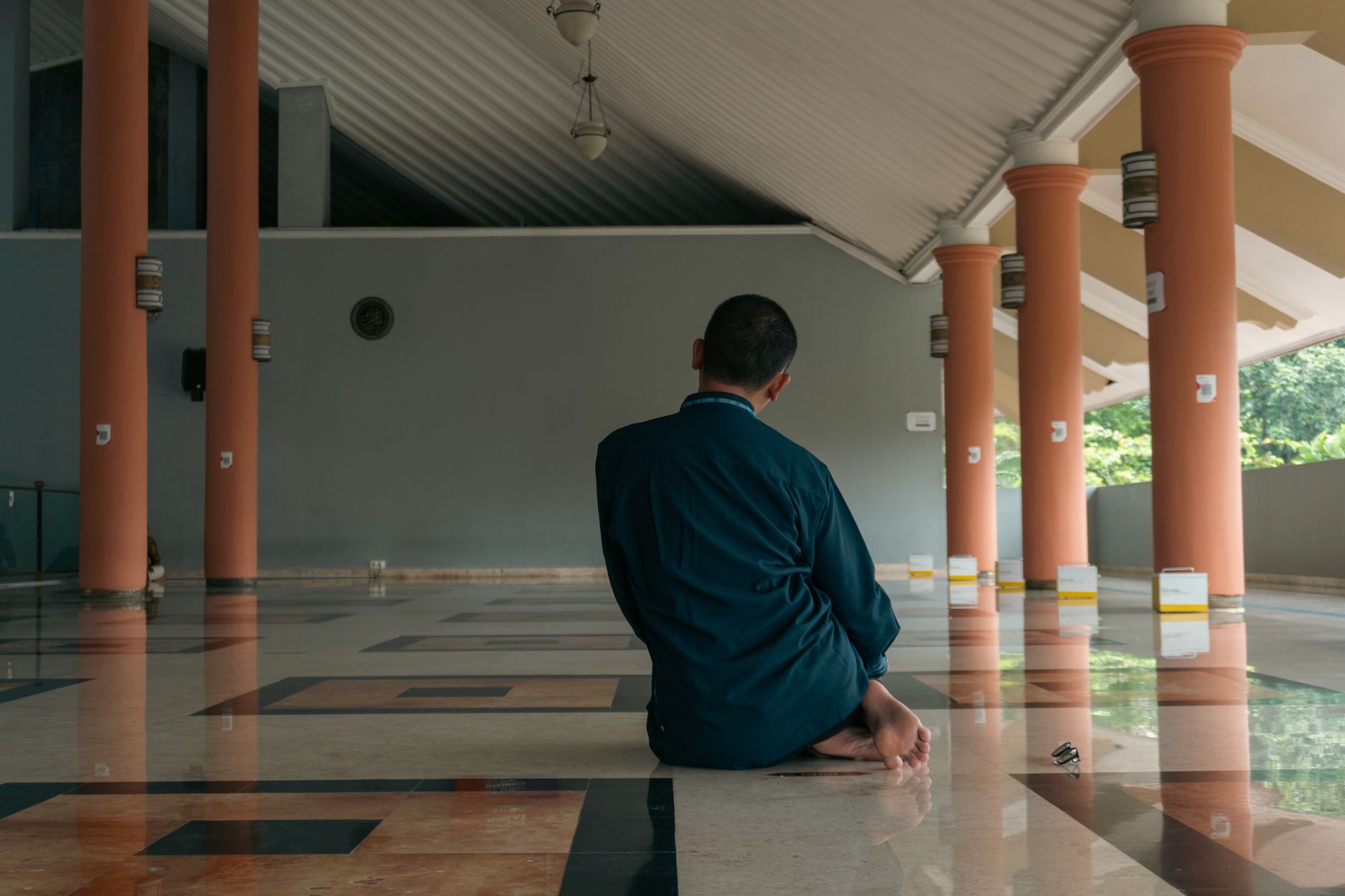
Social media often encourages fast reactions and quick comments. However, Islam teaches us the value of speaking only what is good or remaining silent. This principle is vital when we engage in digital discussions or share information with others.
Spreading rumors or unverified news is a serious matter. We must verify every piece of information before sharing it, as false reports can cause great harm to individuals and communities. Our goal should always be to spread truth and encourage goodness.
“It is enough of a lie for a man to speak of everything he hears.”
Reference:
Sahih Muslim, Introduction 1
When you disagree with others online, do so with patience and kindness. Harsh words often lead to more conflict rather than a productive outcome. If you find yourself in a heated argument, it is often better to disengage and maintain your peace of mind.
Using Digital Tools for Beneficial Knowledge
We can use our platforms to share reminders that benefit others. Many people look for authentic Islamic resources online to improve their practice. By sharing reliable information, you can earn ongoing rewards, known as Sadaqah Jariyah.
Before you share a post, ensure the content aligns with the teachings of Prophet Muhammad ﷺ. If you are unsure about a ruling or a piece of history, it is safer to consult a scholar or refer to trusted educational websites. Learning How to Build a Daily Quran Reading Habit is a better use of time than endless scrolling.
Always cite your sources clearly when sharing knowledge. This shows respect for the scholars and helps others verify the information themselves. You can find guidance on How to Earn Halal Income and other practical matters to share with your community.
Balancing Digital Time and Real Life
Excessive use of social media can lead to the neglect of our primary duties. We have responsibilities toward our families, our work, and our worship. If we spend hours scrolling, we may miss out on precious time with our children or our daily prayers.
Set boundaries for yourself to ensure your digital life does not overshadow your real-world obligations. Prioritize your Salah and your time with family. It is also helpful to understand How to Reconcile Between Two Muslims through face-to-face communication rather than relying solely on text messages.
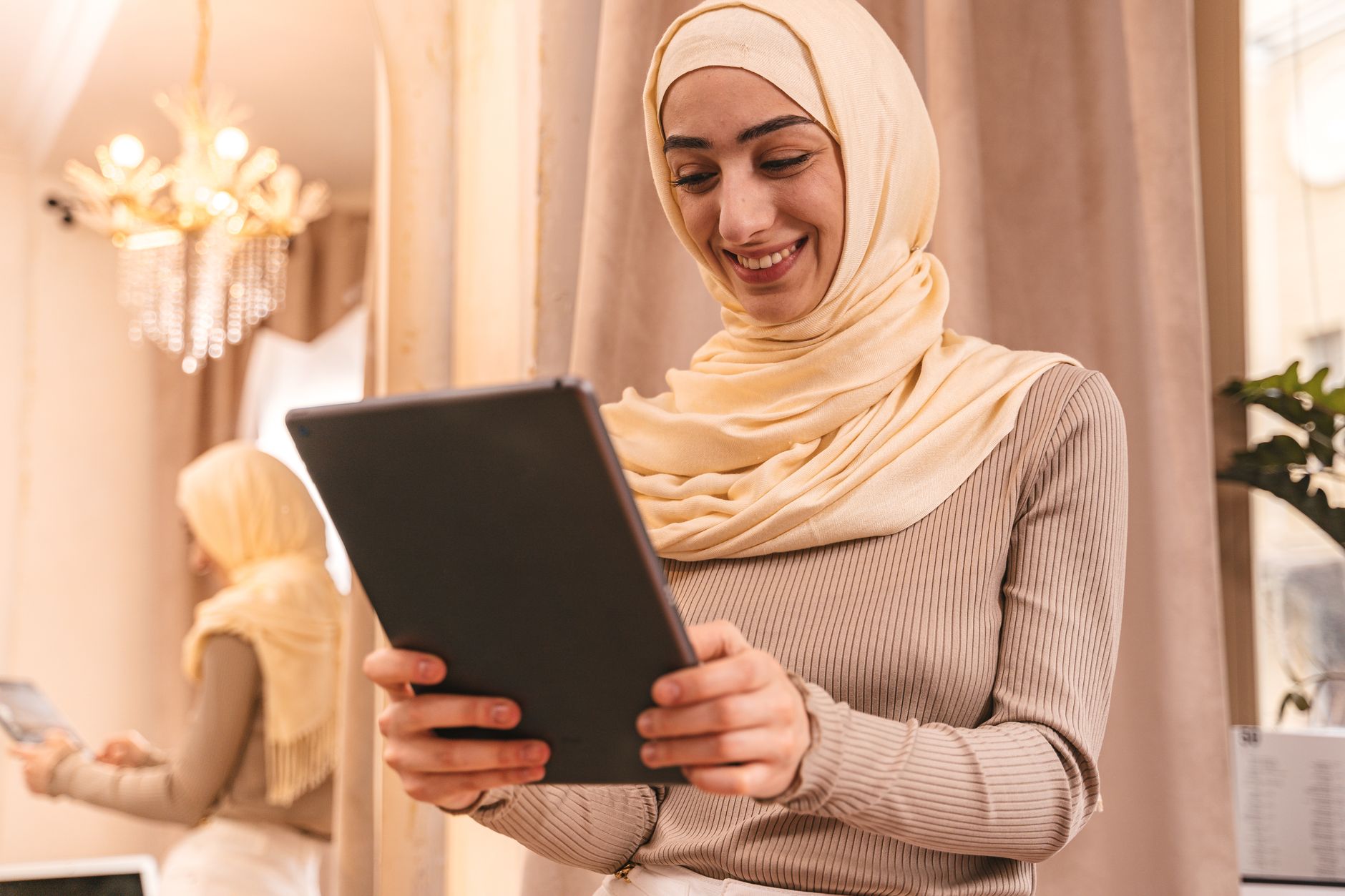
Limit your screen time to avoid becoming overwhelmed by the constant flow of information. Take breaks to reflect on the blessings Allah has given you in your physical surroundings. A healthy balance helps us stay grounded in our faith while still participating in the digital world.
Conclusion
Navigating the internet requires a strong sense of purpose and self-control. By keeping our intentions pure and our actions consistent with the Quran and the Sunnah of Prophet Muhammad ﷺ, we can manage social media in Islam in a way that benefits our souls. Remember that your digital footprint is part of your record.
Strive to use these platforms to build, inspire, and educate rather than to waste time or cause harm. May Allah guide us to use our time and technology in ways that are pleasing to Him. Keep your focus on the afterlife while balancing your responsibilities in this world with wisdom and care.
Frequently Asked Questions
Is it permissible for Muslims to use social media?
Yes, using social media is permissible as long as the content and the way it is used follow Islamic principles. Muslims should avoid haram activities, maintain modesty, and ensure that their online presence does not lead to the neglect of religious or family obligations.
How can I avoid backbiting on social media?
Avoid engaging in gossip, sharing private information about others, or participating in threads that mock people. If a conversation turns toward backbiting, it is best to leave the discussion or steer it toward a more positive topic. Always verify the truth of what you share.
Should I share my private life online?
It is generally better to keep private life, such as family moments or personal blessings, offline. Sharing too much can invite the evil eye or unnecessary scrutiny. Protecting your privacy is a way to maintain your dignity and focus on what truly matters for your spiritual well-being.