

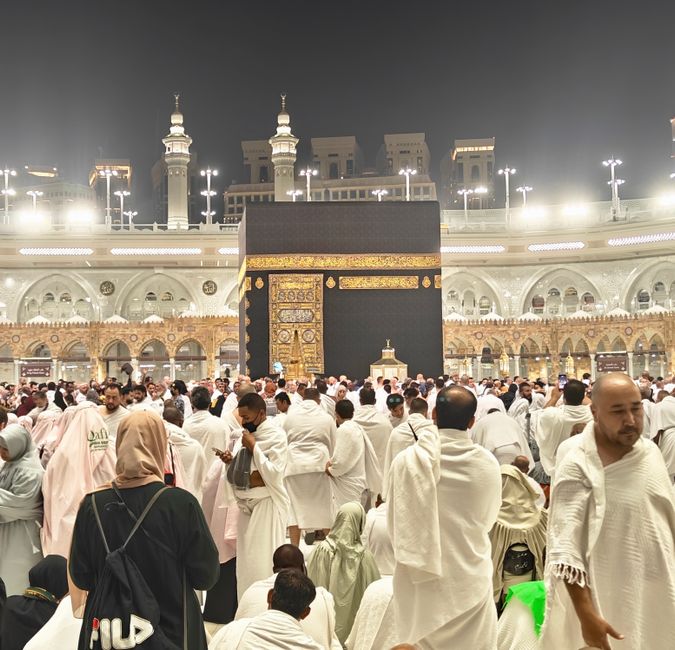
Introduction to the Sacred Structure
The Kaaba rebuilding Prophet Muhammad stands as a remarkable event in early Islamic history that showcased his extraordinary wisdom long before revelation began. Years before receiving divine guidance, Prophet Muhammad ﷺ earned the deep trust of his community through his honesty, fairness, and calm judgment during a major crisis. This episode highlights how Allah prepared His final messenger to lead humanity by granting him noble character and sharp intellect from an early age.
During his youth in Makkah, the sacred House of Allah suffered structural damage from heavy floods and aging walls. The leaders of the Quraish decided to demolish and rebuild the sanctuary to protect its integrity and ensure its safety. However, competing tribal pride quickly created a dangerous standoff over who would receive the ultimate honor of placing the sacred Black Stone back into its corner. This account explores how cooperation turned into conflict and how a peaceful resolution emerged through divine wisdom.
The Great Flood and the Need for Reconstruction
Makkah experienced severe weather patterns that often brought torrential rainfall and flash floods down surrounding valleys. Water rushed directly toward the sacred valley, weakening the ancient stone walls of the Kaaba over many generations. Cracks began to appear across the structure, threatening its stability and causing great concern among the local inhabitants. The Quraish realized that immediate action was necessary to preserve their most cherished sanctuary.
Maintaining the Kaaba was considered a supreme duty among the Arab tribes who lived in and around the holy city. They gathered in council and agreed that only pure earnings would fund the new construction project. No money earned through unlawful trade, usury, or oppression was allowed to touch the sacred stones. This collective commitment showed a deep-rooted respect for the holiness of the building, even while they practiced idol worship during that era.
Demolishing the old walls proved terrifying at first because people feared divine retribution if they harmed the sacred site. However, one brave leader named Al-Walid ibn al-Mughirah took a pickaxe and struck the first blow against the stones. When the night passed without calamity, the rest of the community joined in the demolition work. They cleared away the old foundation down to the original base laid by Prophet Ibrahim عليه السلام.
As the walls rose again under joint tribal labor, every clan contributed stones and materials according to their financial ability. The work proceeded smoothly until the builders reached the eastern corner where the sacred Black Stone rested. Every single clan wanted the exclusive privilege of lifting and placing that specific stone into the wall. Pride and fierce tribal loyalty threatened to shatter the fragile peace of the city.
The Dispute Over the Sacred Black Stone
Tensions escalated rapidly as each clan insisted that this honor belonged strictly to them alone. Swords were sharpened, alliances were drawn, and violent clashes seemed entirely unavoidable in the streets of Makkah. For several days, construction came to a complete halt while armed men guarded their respective claims. The situation demanded an impartial figure who possessed absolute integrity and commanded universal respect.
An elder among the Quraish stepped forward and proposed a fair solution to defuse the brewing conflict. He suggested that the first person to enter through the courtyard gate the next morning should act as arbitrator. Everyone agreed to this proposal, hoping that fate would favor their own group. The following morning, all eyes turned toward the entrance as a familiar figure walked calmly into the sacred precinct.
That person was none other than Prophet Muhammad ﷺ, renowned throughout the city for his supreme honesty and reliability. Upon seeing him approach, a collective sigh of relief echoed across the courtyard among the anxious tribal leaders. They shouted joyfully that Al-Amin, the Trustworthy one, had arrived to settle their dispute with justice. Prophet Muhammad ﷺ listened carefully as representatives from each angry clan explained their conflicting claims and grievances.
The Wisdom of Prophet Muhammad ﷺ in Arbitration
Instead of favoring one tribe over the others, Prophet Muhammad ﷺ devised a brilliant plan that satisfied every single party involved. He asked the leaders to bring a large piece of cloth and lay it flat upon the dusty ground. With his own blessed hands, he lifted the sacred Black Stone and placed it gently in the center of the cloth. This practical approach immediately dissolved feelings of exclusion and prevented any single clan from seizing sole glory.
Next, he instructed the head of each competing clan to grasp one corner of the cloth together as a unified group. They lifted the heavy cloth collectively, carrying the precious stone toward the designated corner of the building with shared effort. This teamwork demonstrated profound diplomatic skill, turning a potential massacre into an exercise in community cooperation. No clan felt left out because every leader played a direct role in moving the sacred object.
When the cloth reached the correct height on the wall, Prophet Muhammad ﷺ stepped forward to complete the final task. He picked up the sacred Black Stone with his own hands and placed it firmly into its permanent corner. The leaders watched in absolute admiration, marveling at his sharp intellect, humility, and remarkable ability to maintain peace. This event cemented his reputation as a natural leader who cared deeply about unity and justice.
Allah Almighty praised those who uphold justice and pursue peace through righteous means in the Holy Quran:
“Indeed, Allah commands you to render trusts to whom they are due and when you judge between people to judge with justice.”
Reference:
Quran 4:58
This verse highlights the very qualities that defined the character of Prophet Muhammad ﷺ long before formal revelation descended upon him. His actions during the reconstruction project reflected divine preparation for the monumental responsibilities awaiting him as the final messenger. By resolving a deadly conflict with unmatched tact, he protected human life and preserved social harmony.
Lessons from the Kaaba Reconstruction
Reflecting on this historical episode offers profound spiritual and practical lessons for contemporary Muslim communities around the world. True leadership requires fairness, active listening, and creative problem-solving rather than selfish pride or dominance over others. Prophet Muhammad ﷺ prioritized community peace above personal recognition, setting a shining example for all believers to follow in daily life.
Furthermore, the event demonstrates that good character and ethical conduct are recognized even by those who lack divine guidance. The people of Makkah respected Prophet Muhammad ﷺ deeply because he never lied, cheated, or acted unjustly in any dealings. Honesty and reliability serve as powerful tools for dawah and positive community influence in every era.
Believers should strive to embody these noble traits within their families, workplaces, and local neighborhoods whenever disputes arise. Resolving conflicts with wisdom prevents animosity and fosters an environment of mutual respect, brotherhood, and cooperation. The noble character of Prophet Muhammad ﷺ remains a timeless beacon guiding humanity toward moral excellence and peace.
Conclusion
The rebuilding of the sacred sanctuary remains a defining moment in the early life of Prophet Muhammad ﷺ. Through his remarkable wisdom, he transformed a violent tribal standoff into an inspiring display of unity and cooperation. This event proved that divine protection surrounded him, preparing his heart and mind for the noble mission of Islam.
Muslims can draw great inspiration from this history by practicing fairness, honesty, and peaceful conflict resolution in modern life. Upholding these prophetic values strengthens community bonds and reflects the true beauty of Islamic teachings. May peace and blessings be upon Prophet Muhammad ﷺ, his family, and his noble companions.
Frequently Asked Questions
Why did the Quraish need to rebuild the Kaaba?
The Kaaba required complete reconstruction because flash floods and aging stonework had severely weakened its foundational walls. The Quraish wanted to ensure the safety and structural integrity of their most sacred site before further damage occurred.
How did Prophet Muhammad ﷺ resolve the dispute over the Black Stone?
He placed the Black Stone on a cloak and had the leaders of all competing tribes hold the edges together. This collaborative action allowed everyone to share the honor equally before he placed the stone in position.
What title did the people of Makkah give to Prophet Muhammad ﷺ?
The people of Makkah called him Al-Amin, which translates to the Trustworthy. This title reflected his flawless honesty, integrity, and fair dealings throughout his youth and early adulthood.